
Best UTV Overlanding Accessories
Posted by Drew Cummings on Jun 26th 2026
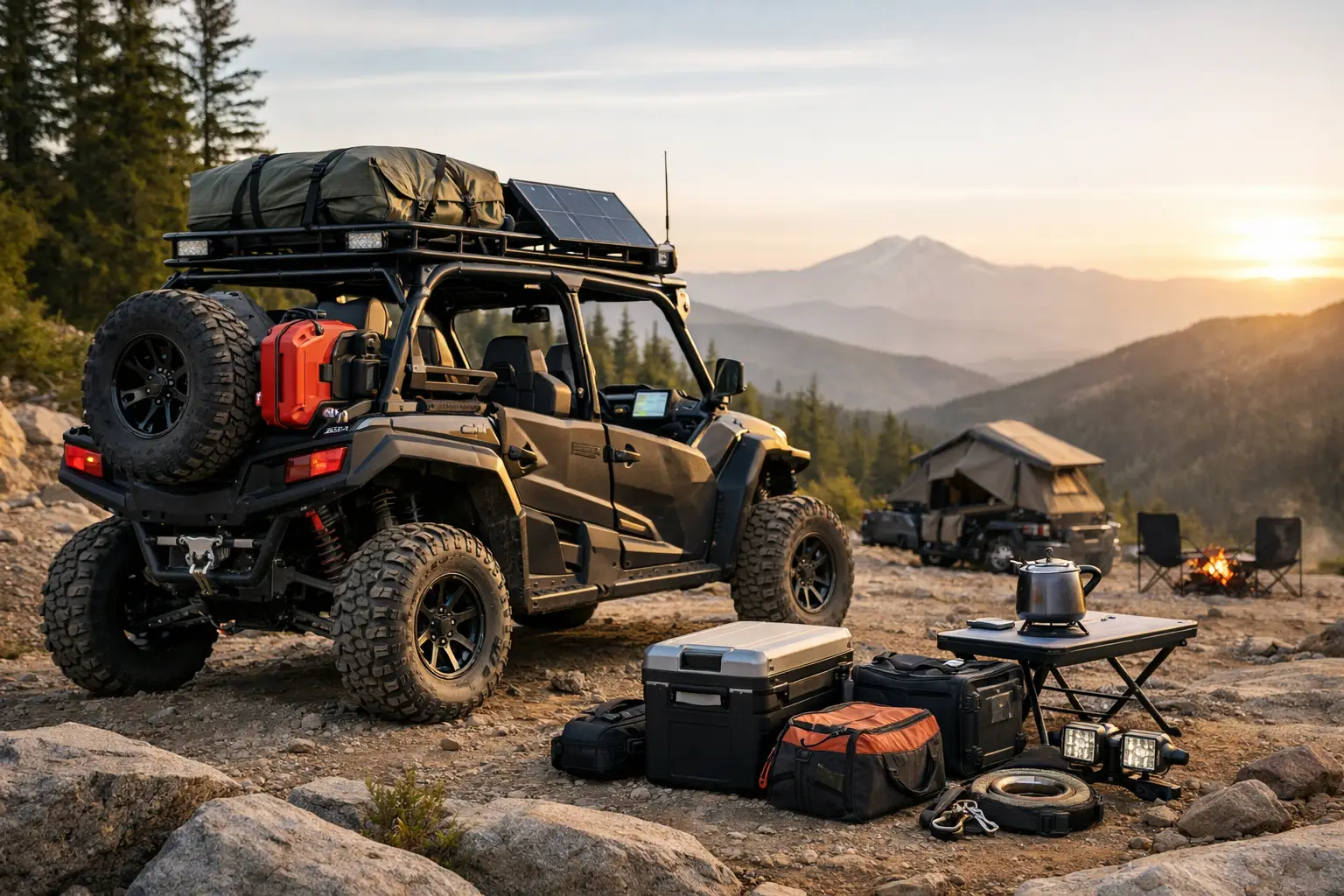
A UTV set up for a two-hour trail ride usually shows its limits on day one of a real trip. Cargo starts shifting, dust gets everywhere, the cab wears you down, and one small recovery issue can eat up half the afternoon. That is why choosing the right utv overlanding accessories matters more than adding random gear that looks good in the garage.
Overlanding in a side-by-side is all about self-sufficiency. You need your machine to carry more, protect more, and stay comfortable longer without turning it into a heavy, cluttered rig that is harder to drive. The best accessory packages are built around your terrain, your machine, and how far from camp or pavement you plan to be.
What makes UTV overlanding accessories worth buying
The difference between trail accessories and true overlanding equipment comes down to duration and consequence. On a casual ride, you can tolerate limited storage, poor weather protection, or a light-duty recovery setup because home is close. On a multi-day route, every weak point shows up fast.
Good UTV overlanding accessories solve predictable problems. They protect the vehicle from underbody damage, keep gear organized, improve visibility after dark, and help you recover the machine without needing another group to bail you out. They also reduce fatigue. That part gets overlooked, but comfort upgrades like a solid windshield, roof, and cab enclosure can make a long day far more manageable.
There is a trade-off, though. Every accessory adds weight, complexity, or cost. The goal is not to bolt on everything available. The goal is to build a machine that stays reliable and useful over distance.
Start with protection before comfort
Most riders want to begin with storage or lighting, but protection should come first. A damaged underbody, cracked front end, or punctured tire can stop a trip much faster than a lack of cargo options.
A quality skid plate is one of the smartest first upgrades for overlanding. Rocky terrain, hidden stumps, and washouts can punish the underside of a UTV, especially when the machine is loaded down. Full skid plate coverage helps protect vulnerable components and gives you more confidence picking a line through rough sections.
Front and rear bumpers also earn their place quickly. They help shield the machine from brush, impacts, and trail obstacles, and they give you stronger mounting points for other gear. If your route includes narrow wooded trails, hunting access roads, or technical terrain, bumper protection is more than cosmetic.
Tires matter just as much. A pure mud setup may work in some regions, but overlanding usually rewards a more balanced all-terrain tire with strong sidewalls and dependable puncture resistance. It depends on where you ride. Desert routes, rocky mountain trails, and mixed forest roads all ask for something a little different.
Recovery gear is not optional
If you are traveling deeper into remote ground, recovery equipment moves from nice-to-have to must-have. A winch is usually the centerpiece. Whether you are climbing out of mud, easing downed timber off the trail, or helping reposition the machine on a bad line, a reliable winch gives you options when traction and momentum are gone.
That said, a winch by itself is not a full recovery plan. You also need a practical way to carry straps, shackles, gloves, and other essentials where they stay dry and easy to reach. Recovery gear buried under camp equipment is hard to use when the machine is stuck at an angle in the rain.
This is where storage layout matters. The best setups keep heavy-use items accessible without forcing you to unpack half the machine. Bed boxes, cargo bags, and cab storage can all work, but the right choice depends on your model and how much passenger space you need to preserve.
Cargo management can make or break the trip
Overlanding exposes sloppy packing fast. Loose tools, spare parts, cooking gear, and emergency supplies create noise, waste space, and wear out both the machine and the driver. Good storage is not just about capacity. It is about keeping weight low, gear secure, and critical equipment organized by use.
Rear cargo boxes are popular for a reason. They protect equipment from the elements and help separate camp gear from trail gear. For some riders, a bed rack or modular cargo system adds even more flexibility, especially when carrying fuel, coolers, or larger utility items. The downside is that external cargo can raise the center of gravity or make access more awkward on tight trails.
Interior storage deserves attention too. Door bags, overhead bags, and center storage options can keep smaller items within reach. Maps, radios, flashlights, gloves, and first-aid supplies are much easier to manage when they have a dedicated place.
UTV overlanding accessories for cab comfort
Comfort upgrades are easy to underestimate until the weather turns or the miles add up. A roof and windshield are often the foundation. They cut fatigue from sun, wind, rain, and flying debris, and they make long travel days less punishing.
The right windshield depends on conditions. A full windshield offers the most protection, but in hot climates it may require good ventilation to avoid a stuffy cab. A half windshield increases airflow, though it gives up some weather coverage. If you ride across changing seasons, modular options can make more sense than locking into a single configuration.
Doors and rear panels can further improve cab protection, especially in colder regions or dusty terrain. Add a heater, and a shoulder-season machine becomes much more useful for hunting camps, mountain routes, and late-fall travel. Not every rider needs a fully enclosed cab, but for some parts of the country it changes how often the machine actually gets used.
Seat covers and floor protection are less exciting, but they hold up well over time. Mud, wet gear, and repeated loading wear down the interior quickly. Practical protection pays off when the machine sees regular travel and utility use.
Lighting and power upgrades for longer days
Stock lighting is often enough for basic trail riding, but overlanding frequently stretches into low-light travel, camp setup, and early morning starts. Better forward lighting improves visibility and helps reduce driver strain when conditions get poor.
A well-placed light bar or supplemental pod lights can make a major difference, but more light is not always better. Poorly aimed lights create glare, drain power, and add unnecessary complexity. A focused setup that supports your actual riding conditions is usually smarter than a maximum-output setup.
Power management matters too. If you are running extra lighting, GPS units, radios, compressors, or cab accessories, your electrical system needs to keep up. Battery upgrades, bus bars, and clean wiring solutions help avoid the kind of electrical issues that are easy to ignore at home and frustrating to troubleshoot on the trail.
Navigation and communication should match the route
The farther you go, the less you should rely on memory or cell service. Navigation equipment does not need to be elaborate, but it does need to be dependable. A solid mount for your device is part of that equation. Bouncing a phone or GPS around the cab is a good way to lose both convenience and visibility.
Communication matters just as much if you travel with a group or cover isolated terrain. Depending on your area and riding style, that may mean a radio setup, intercom system, or another dedicated communication tool. The right choice depends on distance, terrain, and who you ride with.
Fitment matters more than brand hype
This is where many buyers waste time and money. Generic accessories that almost fit often create problems later with installation, clearance, durability, or usability. Overlanding gear needs to work with your exact machine, not just the general category of side-by-side.
Model-specific fitment saves time and usually performs better in the long run. Storage systems sit correctly, windshields seal better, bumpers align properly, and mounted accessories interfere less with suspension travel or cargo space. For Polaris, Can-Am, Yamaha, Kawasaki, and Honda owners, shopping by exact model and intended use is simply the most efficient path.
That is also why riders often prefer a specialist retailer over a broad marketplace. When you are building for real use, expert support and fitment accuracy are not extras. They are part of getting the setup right the first time.
Build in phases, not all at once
If you are planning an overlanding setup, resist the urge to buy every category at once. Start with protection, recovery, and cargo control. Then address cab comfort, lighting, and power based on the way you actually use the machine.
A ranch rider doing overnight utility routes will not need the same package as a desert traveler or a hunter running late-season mountain trails. The best accessory plan is the one that matches your terrain, weather, payload, and trip length without overbuilding the vehicle.
At Side By Side Sports, that usually means starting with fitment-specific upgrades that solve clear problems first, then adding capability where it will actually get used. A well-built overlanding UTV should feel prepared, not overloaded.
The right machine setup gives you something better than a longer parts list. It gives you more confidence to keep going when the route gets rough, the weather shifts, and camp is still a few miles out.