
Yamaha Wolverine Windshield Options That Fit
Posted by Drew Cummings on Jul 24th 2026
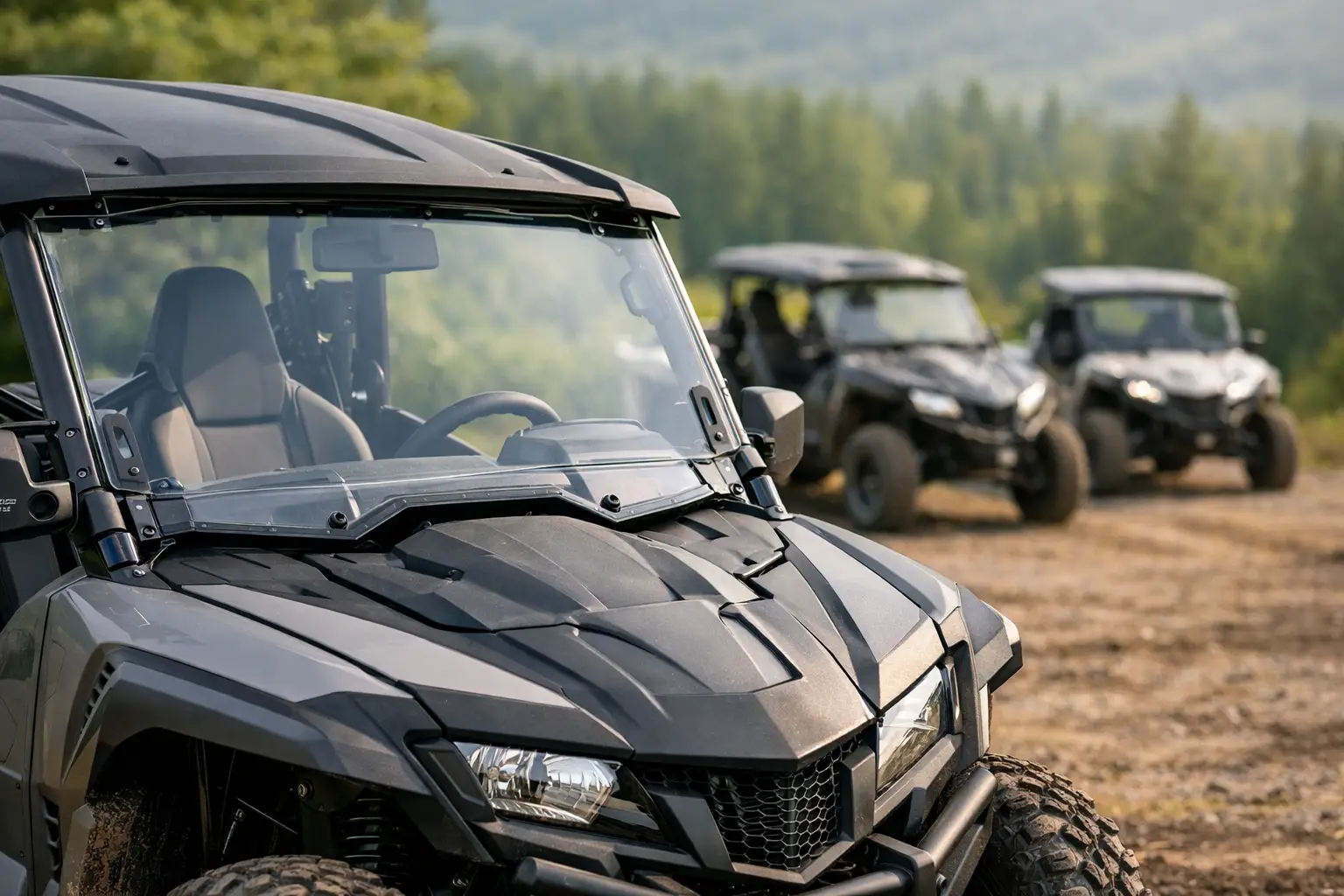
A windshield is one of the first upgrades many Wolverine owners make because the stock open cab gets old fast in dust, cold wind, rain, and muddy trail spray. The right Yamaha Wolverine windshield options can make a short trail ride more comfortable and turn a workday machine into a better all-season tool. The wrong one can rattle, haze quickly, block useful airflow, or simply fail to fit your exact cab.
The decision starts with how you use your UTV. A ranch rider running slow back roads has different needs than an RMAX owner covering miles of fast, wooded trail. Coverage, material, ventilation, and fitment all matter. Before choosing a windshield, verify the exact Wolverine model, year, and cab configuration.
Yamaha Wolverine Windshield Options by Coverage
Windshield coverage has the biggest effect on comfort. More coverage provides better protection from weather and debris, but it can also reduce airflow and make a warm day feel hotter. There is no single best style for every rider.
Full Windshields for Maximum Protection
A full windshield runs from the hood area to the roof line and provides the strongest barrier against wind, rain, snow, dust, and branches. It is the practical choice for riders who use a Yamaha Wolverine X2, X4, or RMAX for hunting, winter riding, farm chores, or long-distance trail use.
Full windshields are especially valuable when paired with a roof, rear panel, and doors. Together, those components reduce the wind tunnel effect that can make enclosed cab accessories less effective. If you plan to add a heater, a full windshield is usually part of the package rather than an optional extra.
The trade-off is ventilation. A fixed full windshield may trap heat and dust in the cab during summer. It can also fog in wet or cold conditions if the cab does not have enough air movement. Riders who want full coverage without giving up flexibility should consider a vented or flip-up design.
Half Windshields for Airflow and Trail Feel
A half windshield covers the lower portion of the front opening while leaving the upper cab open. It pushes much of the direct wind over the occupants without closing off the ride. For warm-weather trail riding, this is often the best balance of protection and airflow.
Half windshields help reduce chest-level wind, flying gravel, and light rain. They do not offer the same protection as a full windshield in a downpour or on a freezing morning, but they preserve the open-cab experience many owners prefer. They are also generally easier to clean and less likely to create significant fogging issues.
A half windshield makes sense for riders who primarily run spring through fall, ride in hot climates, or prefer to keep dust moving through the cab instead of sealing it in.
Flip-Up and Folding Windshields for Changing Conditions
A flip-up windshield gives you two setups in one. Run it closed when the weather turns, then open the upper section when temperatures rise or the trail gets dusty. This versatility is useful for riders whose conditions change throughout the day.
A folding windshield offers a similar advantage, although the design varies by manufacturer. Some use a hinged upper panel, while others fold down more completely. Either way, inspect the latch system and mounting hardware. The windshield should stay secure over rough terrain, not shift or chatter when the trail gets rough.
For many all-around riders, a flip-up windshield is worth the higher cost because it reduces the need to remove and reinstall a fixed panel with every seasonal change.
Vented Windshields for Cab Comfort
A vented full windshield uses adjustable openings to bring controlled air into the cab. That airflow can reduce fogging, relieve cabin pressure, and make a roofed Wolverine more comfortable in mild weather.
Not all vents are equal. Look for a design with solid hinges, positive latches, and openings positioned to direct air where it helps instead of blasting occupants in the face. A vented windshield is a strong choice for riders who want weather coverage but do not need a fully adjustable flip-up panel.
Choosing the Right Windshield Material
Material affects clarity, durability, cost, and how well a windshield holds up against brush and trail debris. Most Yamaha Wolverine windshields are made from acrylic or polycarbonate, with different grades available in each category.
Acrylic is typically clear and cost-effective. It works well for casual riding, light-duty utility use, and riders who want a straightforward fixed windshield. Its limitation is impact resistance. Acrylic is more prone to cracking under a hard hit than polycarbonate, so it is not usually the first choice for aggressive wooded trails.
Polycarbonate is the better option for riders who expect impacts from limbs, rocks, and debris. It has much higher impact resistance and is commonly used in premium UTV windshields. Standard polycarbonate can scratch if cleaned improperly, however, which is why hard-coated polycarbonate deserves serious consideration.
Hard-coated polycarbonate costs more, but its protective coating improves scratch resistance and helps preserve visibility over time. For a Wolverine used on brushy property, in desert dust, or on frequent trail runs, the added durability can justify the price. A cheap windshield that turns hazy after one season is not a bargain.
Regardless of material, clean the panel correctly. Rinse off grit first, then use a microfiber cloth and a cleaner approved for plastic. Wiping dry dust across any windshield surface is a fast way to create fine scratches.
Fitment Matters More Than Universal Convenience
A Yamaha Wolverine windshield is not a universal accessory. The hood profile, roll cage shape, roof line, mirror location, and door configuration can vary significantly between models. A windshield built for a Wolverine X2 may not fit a Wolverine X4, and neither should be assumed to fit a Wolverine RMAX.
Confirm the model name, year, and whether your machine has an OEM or aftermarket roof before ordering. If you have added mirrors, light bars, door kits, or a roof-mounted audio system, check for accessory interference as well. A fitment-specific windshield should mount securely without drilling, trimming, or forcing clamps into place unless the product instructions specifically call for it.
Pay attention to the mounting system. Quality clamps, rubber seals, and formed edges help prevent rattles and protect the roll cage finish. A windshield that sits squarely against the machine also does a better job keeping out water and dust.
Build Around the Way You Ride
Windshield selection works best when it is part of a cab plan. A full windshield alone will cut front wind, but air can still enter from the sides and rear. Adding a roof, back panel, doors, or soft upper doors changes how the cab handles airflow and weather.
For cold-weather work and hunting, a full hard-coated windshield with ventilation, a roof, rear panel, and heater creates a far more usable cab. For summer trail use, a half windshield or flip-up panel paired with a roof may be all you need. For riders who face mud and rain but still want airflow, a vented full windshield provides a practical middle ground.
Also consider where you park and transport the machine. A tall fixed windshield can affect trailer clearance, and a folded windshield may need to be secured before hauling. If your Wolverine spends time outside, choose materials and hardware that can handle UV exposure and repeated temperature swings.
A Quick Buying Checklist
Before selecting a windshield, confirm these four details:
- Your exact Yamaha Wolverine model and model year
- Whether you need full, half, vented, or flip-up coverage
- The material level that matches your terrain and budget
- Compatibility with your roof, doors, mirrors, and other cab accessories
Side By Side Sports carries fitment-specific UTV accessories for riders who would rather choose the right setup once than make a universal part work later. Start with your exact Wolverine platform, then narrow the options by how and where you ride.
A windshield should earn its place on the machine every time the weather turns, the trail gets dusty, or the workday runs longer than expected. Choose the coverage and material that match your real conditions, and your Yamaha Wolverine will be more comfortable without losing the capability that made you buy it.