
UTV Windshield Review Guide for Real Riders
Posted by Drew Cummings on Aug 25th 2026
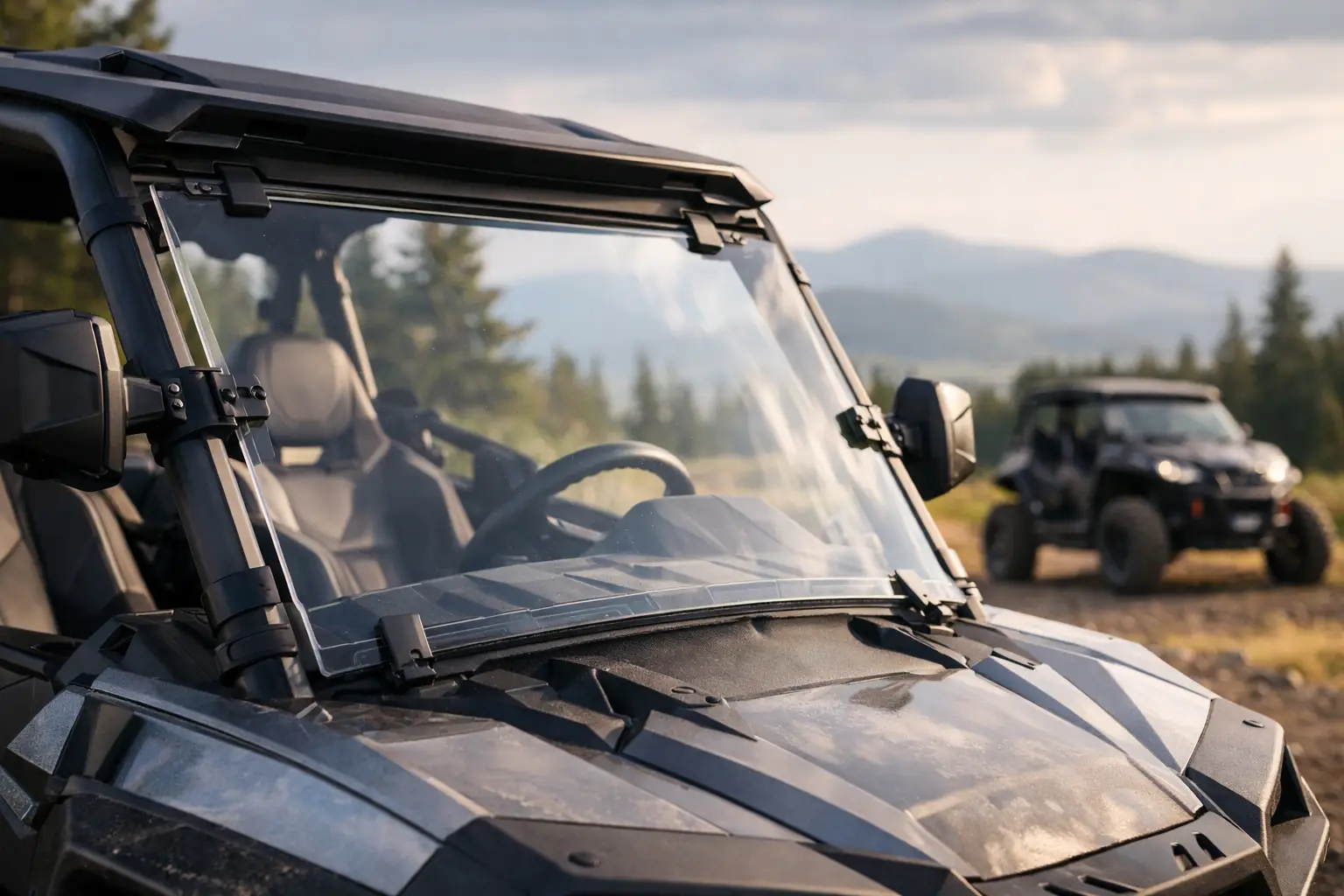
A windshield can turn a cold, dusty ride into a comfortable day in the cab - or create new problems if you choose the wrong style. This UTV windshield review guide breaks down what separates a worthwhile upgrade from a piece of plastic that rattles, scratches early, or blocks the airflow you actually need.
The right choice starts with how you use your machine. A ranch owner driving fenced property, a hunter heading out before sunrise, and a rider covering fast, dry trails may all own the same UTV, but they do not need the same windshield. Material, opening style, seal design, and exact vehicle fitment all matter.
UTV Windshield Review Guide: Start With Your Use Case
Before comparing brands or prices, decide what you need the windshield to do. If your main problem is dust and wind fatigue on summer trail rides, a half windshield or vented full windshield may be enough. If you plow snow, ride through rain, or use the machine through winter, a full windshield is usually the practical starting point.
A windshield also affects cab pressure. A fully enclosed front without a rear panel can pull dust into the cab from behind. On some machines, adding a rear windshield or back panel makes a bigger difference than upgrading from one full front windshield to another. This is especially common on long, dry rides where fine dust hangs in the air.
For utility use, prioritize weather coverage, durable mounting hardware, and a seal that follows the contour of the factory cage. For recreation, you may value quick opening, reduced glare, and easier cleaning more than total enclosure. There is no universal best UTV windshield. There is a best setup for the terrain, season, and jobs your machine handles.
Full, Half, Flip-Up, and Glass Windshields
Full windshields
A full windshield offers the most direct protection from wind, rain, branches, mud, and cold air. It is the strongest choice for winter riding, snow plowing, hunting, and regular work around the property. A well-designed full windshield should sit securely against the roll cage, include a quality perimeter seal, and use clamps or hardware designed for your exact model.
The trade-off is airflow. On a warm day, a fixed full windshield can make the cab feel stagnant, particularly with doors and a roof installed. Look for a vented design if you want coverage without giving up all fresh air. A lower vent is useful because it can reduce fogging and help equalize pressure in the cab.
Half windshields
Half windshields deflect the main blast of air away from the driver and passenger while keeping the cab open. They are popular with trail riders who want less wind in the face without the enclosed feel of a full windshield. They also tend to be simpler to remove, clean, and store.
Expect some air to roll over the top and swirl into the cab. That can be welcome in hot weather, but it is less pleasant in rain, dust, or near-freezing temperatures. A half windshield works best when open-air riding is still part of the appeal.
Flip-up and folding windshields
A flip-up windshield gives you more control than a fixed full panel. Keep it closed for rain, cold, and fast sections of trail, then open it when temperatures rise or dust starts collecting in the cab. For riders who use one UTV across several seasons, that flexibility can justify the higher price.
Not all flip-up designs are equal. Check how the windshield latches in both positions, whether it can be secured partially open, and how the hinges are protected from vibration. A poorly supported upper section can rattle on rough ground. A quality design should feel planted when latched and should not require constant adjustment.
Glass windshields
A laminated safety glass windshield is the premium option for riders who want automotive-style clarity, better scratch resistance, and a wiper-ready surface. It is a strong fit for work machines, all-weather builds, and enclosed cabs that see frequent road crossings or long hours in the field.
Glass costs more, weighs more, and is usually not something you remove on a whim. It also requires a proper wiper system and, in colder climates, may benefit from a heater or defroster setup. The upside is clear vision over time. Polycarbonate can take hard impacts, but glass generally stays clearer after years of wiping off dust and mud.
Polycarbonate vs. Acrylic: The Material Matters
Most aftermarket UTV windshields are made from polycarbonate or acrylic. The names are easy to overlook, but they should affect your purchase decision.
Polycarbonate is highly impact resistant. It is the better choice for wooded trails, rocky terrain, and riding where branches or thrown debris are part of the day. It can flex without shattering, which is why it is common on serious off-road builds. The downside is that uncoated polycarbonate can scratch if it is cleaned carelessly or wiped when dusty.
Acrylic is typically more rigid and can offer good optical clarity, but it is more prone to cracking under impact. It can be a reasonable option for lighter-duty riding, but polycarbonate is generally the safer bet for riders who regularly encounter brush, rough terrain, and changing weather.
When comparing polycarbonate windshields, ask whether the panel has a hard coating. A coated windshield costs more, but it can be worth it for a machine that sees frequent cleaning, wiper use, or high-mileage trail riding. Hard coating improves scratch resistance. It does not make the panel impossible to scratch, so proper care still matters.
Fitment Is More Than the Model Name
A windshield listed for your manufacturer is not automatically right for your UTV. Fitment can change by model year, trim level, cab configuration, roof style, and factory accessory package. A Polaris Ranger windshield may not fit every Ranger cab. The same applies to Can-Am Defender, Maverick, Yamaha Wolverine, Kawasaki Mule, Honda Pioneer, and other platforms.
Confirm the full vehicle details before ordering: make, model, year, and any relevant cab or roll-cage configuration. Also check compatibility with the accessories already installed. Roofs, mirrors, light bars, wiper kits, upper doors, and cab enclosures can all affect which windshield works.
Model-specific products are worth the attention because they follow the cage profile and use intended mounting points. Universal windshields may save money at checkout, but they often create sealing gaps, poor visibility, and mounting headaches. Side By Side Sports organizes windshield options around vehicle fitment so riders can narrow the field before comparing styles and features.
Features That Earn Their Keep
A windshield does not need every add-on, but several features make a real difference in daily use. A formed rubber seal reduces vibration and helps keep water and dust from slipping through the edges. Tool-less clamps are convenient for seasonal removal, while bolted hardware may suit a permanent work setup better.
Vents are valuable if you run a full windshield in mixed conditions. They help move air through the cab and can reduce fogging. On machines used in rain or snow, a wiper-ready design is more than a luxury. Once mud spray or wet snow starts sticking to the windshield, a clear panel is only useful if you can keep it clear from the driver’s seat.
Consider optical shape as well. A flat panel can produce reflections and distortion depending on the angle. A properly formed windshield that follows the cage often looks cleaner and improves sightlines. Pay close attention to the upper edge, especially if you are tall or use a raised seat. You do not want the frame or mounting bar sitting directly in your line of sight.
Installation and Care Affect Long-Term Value
Read the installation instructions before starting, even if the mounting system looks straightforward. Clean the roll cage where seals and clamps contact it. Do not overtighten clamps or fasteners, especially on polycarbonate panels. Excess pressure can create stress around mounting holes and lead to cracking over time.
After the first few rides, inspect the hardware. Rough trails can settle clamps and brackets into place. A quick retightening check helps prevent rattles and protects both the windshield and cage finish.
For cleaning, rinse loose mud and dust away first. Never dry-wipe a dirty polycarbonate windshield with a shop towel or shirt sleeve. Use water, a cleaner approved for plastics, and a clean microfiber cloth. Avoid harsh solvents, abrasive pads, and ammonia-based glass cleaners unless the manufacturer specifically approves them.
Choose the windshield that matches the way your UTV earns its miles. A clear view, secure fit, and the right amount of airflow will matter long after the first ride is over.