
UTV Hunting Setup Examples That Work in the Field
Posted by Drew Cummings on Aug 24th 2026
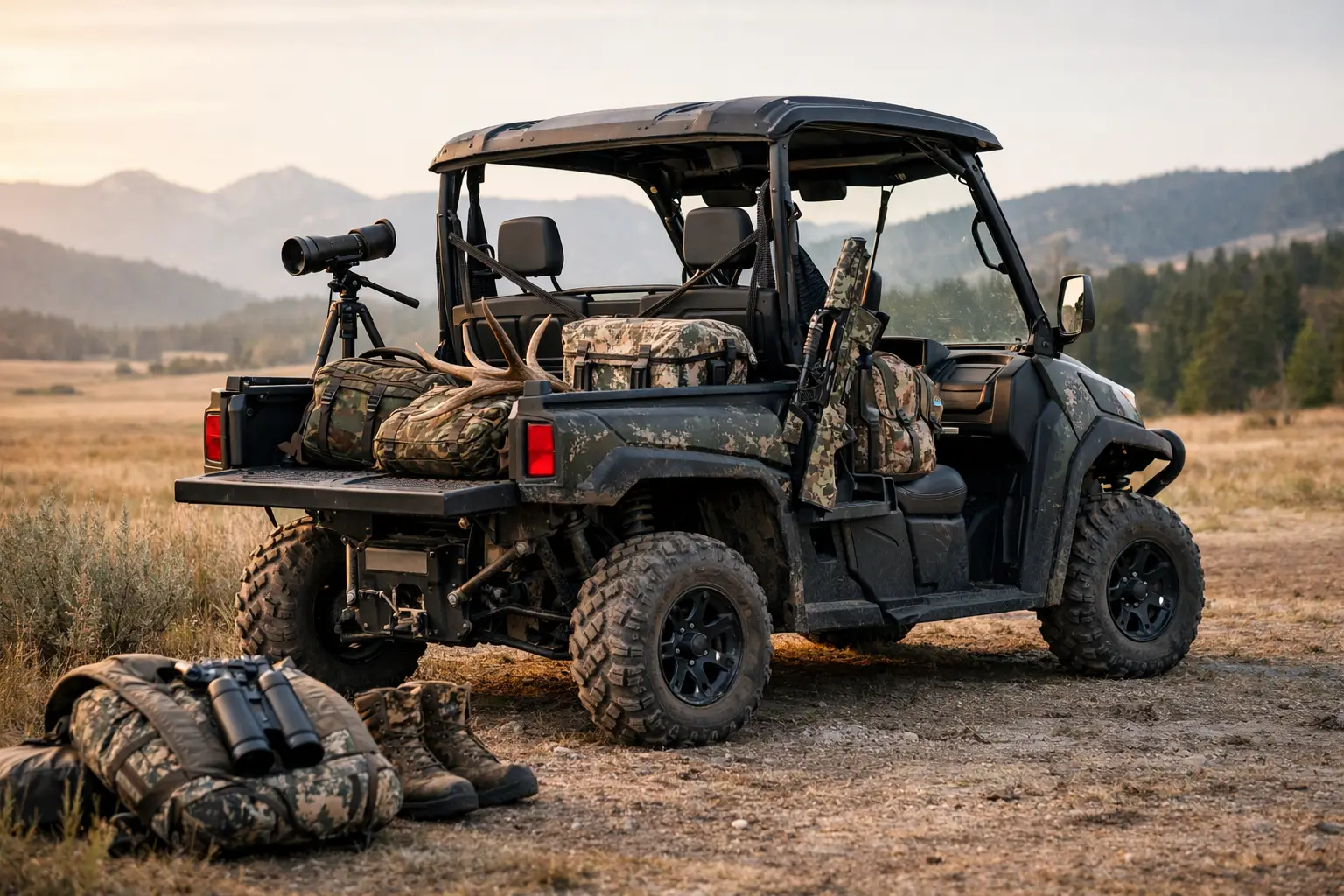
A hunting UTV should solve problems before daylight, not create them. The right setup gets you, your gear, and eventually your harvest where they need to go without turning a narrow woods trail or muddy two-track into a long morning. These UTV hunting setup examples focus on practical builds for real hunting conditions, from short whitetail runs to remote elk camps.
The best accessory package depends on terrain, season, passenger count, and how much equipment you carry. A roof and windshield may be all one hunter needs for local deer property. Another rider may need doors, a heater, upgraded tires, a winch, and a serious cargo system for a week in the mountains. Start with the job, then choose fitment-specific parts for your Polaris, Can-Am, Yamaha, Kawasaki, or Honda.
UTV Hunting Setup Examples for Different Hunts
The early-season whitetail property rig
For hunters running private timber, food plots, or lease roads, the priority is quiet access and organized gear. A hard roof is a strong first upgrade because it keeps branches, morning dew, and light rain off the cab without adding much complexity. Pair it with a folding or vented windshield when weather is unpredictable. A fully enclosed cab can be useful, but it is not always the best answer in warm weather when you want airflow and easy communication with a hunting partner.
Add a bed cargo box or lockable rear storage solution for climbing sticks, trail cameras, tools, and a compact first-aid kit. A gun boot or securely mounted rifle case keeps firearms protected during transport, but it should never replace safe unloading and compliance with local hunting regulations. Soft cab bags are useful for gloves, calls, rangefinders, and other small items that disappear quickly in a crowded bed.
For this kind of build, aggressive mud tires are often overkill. A quality all-terrain tire with a durable carcass and controlled tread noise is usually the better choice. It protects the ride quality on hard farm lanes while still giving you enough traction in wet leaves, shallow ruts, and loose soil.
The cold-weather deer stand hauler
Late-season hunters face a different problem: staying functional after a cold, dark ride to the stand. This is where cab protection earns its place. A windshield, rear panel, roof, and doors cut wind exposure dramatically. For riders who hunt in freezing temperatures, a cab heater can make early mornings far more manageable, especially when the UTV doubles as a work machine around the property.
Visibility matters as much as warmth. Choose a windshield system with proper ventilation or a wiper option where available. A sealed cab can fog quickly when wet boots, warm clothing, and two hunters climb inside. Good lighting also helps, but avoid treating a light bar as the only answer. Forward-facing auxiliary lights should be aimed carefully so they improve trail visibility without blasting glare off the hood, windshield, snow, or dust.
This setup benefits from a front bumper and a winch. Winter trail conditions can hide frozen ruts, washouts, and downed limbs. A properly rated winch gives you a way to self-recover and move minor trail obstructions when it is legal and safe to do so. Keep a recovery strap, soft shackles, gloves, and a tree saver accessible instead of buried beneath the rest of your gear.
The western big-game camp machine
A western elk, mule deer, or antelope hunt often calls for long days, rough access roads, and heavy cargo. Here, protection and load management should come before comfort accessories. Start with skid plates that cover vulnerable undercarriage components, then add rock sliders or nerf bars if your route includes tight timber, ledges, or rocky two-tracks. Factory protection is better than none, but dedicated aftermarket armor can make a major difference when you are miles from the trailer.
Suspension upgrades can help when the machine is carrying a full camp, extra fuel, water, and hunting gear. The trade-off is cost and setup. Springs and shocks that are too stiff for your normal load can make an empty UTV ride harsh, while a stock setup may squat and lose control when overloaded. Match the suspension choice to your actual packed weight, not just the biggest load you might carry once a season.
For cargo, a bed extender, rack system, or modular storage box helps separate clean equipment from muddy recovery gear. Keep heavy items low and close to the center of the vehicle. A loaded cooler, fuel can, or quartered game animal placed high or far behind the rear axle changes handling fast. Respect your UTV's payload rating, bed rating, towing limit, and passenger capacity. No accessory changes those limits.
The wet-country and mud-season setup
Some properties stay wet all fall. Others turn into deep mud after one day of rain. In these conditions, tire choice, recovery equipment, and front-end protection matter more than cab accessories.
A mud-terrain tire can provide the bite needed to clear slick clay and climb out of ruts, but it comes with trade-offs. Deep lugs can be louder, wear faster on hard surfaces, and make steering feel heavier. If most of your routes are packed trails with occasional mud holes, an aggressive all-terrain may be a more balanced choice. Tire size should also be selected carefully. Going much larger than stock can affect gearing, steering effort, clutch performance, and component wear.
A winch is essential on a wet-country build, but only if it is installed and used correctly. Select a model-appropriate mount, use a quality fairlead, and carry recovery gear you know how to use. A front bumper protects the mounting area and gives the machine a more useful contact point in brush. Just do not assume a bumper makes it safe to push through trees, stumps, or deep water.
The two-person mobile blind setup
For open-country hunting, predator calling, or moving between multiple glassing points, a UTV can function as a practical mobile base. This build favors passenger comfort, weather protection, and fast access to gear. A roof, windshield, rear panel, and a set of doors reduce wind fatigue on long rides. Add seat covers if you regularly climb in with muddy clothing or work around dogs.
A rear-view mirror and side mirrors make a noticeable difference when backing around trailers, gates, and tight camp areas. Interior lighting is useful for loading before sunrise, but use low-output lights and avoid unnecessary bright lighting around hunting areas. The goal is to find equipment without advertising your position across the property.
A cooler mount or secure cargo solution can hold water, food, and game bags. If you run an audio system in your recreation setup, remember that hunting use is different. Keep it off near hunting areas. Quiet travel, controlled doors, and securing loose gear will do more for your approach than any accessory can.
Build the Base Before Adding Convenience Items
A dependable hunting UTV starts with maintenance. Check belt condition, battery health, fluids, brakes, tire pressure, and all fasteners before spending money on add-ons. A premium windshield is not much help if a weak battery leaves you at camp, and a cargo rack will not compensate for worn tires.
Once the machine is ready, prioritize upgrades in this order: protection, recovery, cargo control, cab comfort, then convenience accessories. That order changes slightly for flat, maintained properties, but it prevents common mistakes such as adding lights and speakers before addressing a missing skid plate or unreliable winch.
Fitment is also non-negotiable. A UTV accessory needs to match the exact make, model, trim, and model year whenever applicable. Doors, windshields, roofs, bumpers, heater kits, and storage systems often have mounting differences that are easy to overlook. Side By Side Sports organizes hunting-ready upgrades by vehicle platform so owners can spend less time sorting generic parts and more time building for the ground they actually hunt.
Keep the Setup Legal, Quiet, and Useful
Every state, county, public land unit, and hunting season can have different rules for vehicle access, firearm transport, off-road travel, game retrieval, and road use. Check the rules for the specific area before relying on a UTV for access or recovery. Stay on approved routes, avoid damaging wet trails, and make sure every passenger has a safe, secure seat.
A good hunting setup does not need every accessory available. It needs the right protection for your terrain, enough storage for your gear, recovery capability for the worst spot on the route, and cab comfort that matches the season. Build around the hunt you do most often, then leave room for the upgrades that make the next hard trip easier.