
UTV Heaters: What to Buy and Why
Posted by Drew Cummings on Jul 6th 2026
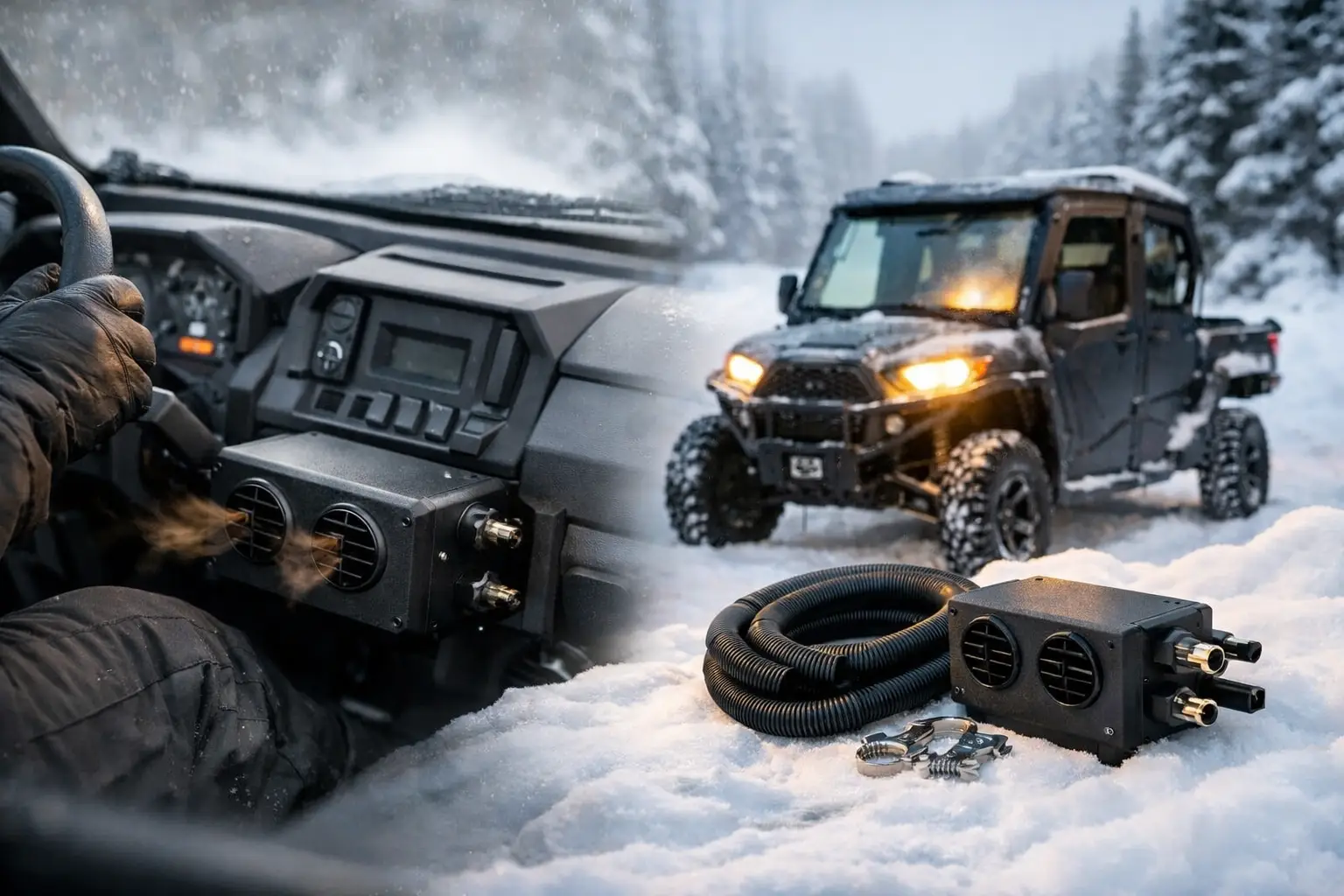
Cold cab, fogged windshield, numb hands by the first mile - that is usually the point when UTV heaters stop feeling optional. If you ride through winter, plow snow, hunt in late season, or use your machine for chores before sunrise, the right heater changes how often and how long you can stay in the seat. The key is choosing one that matches your machine, your cab setup, and the kind of cold-weather use you actually deal with.
Why UTV heaters matter
A heater is not just a comfort accessory. In many setups, it is part of making the machine more usable and safer in rough weather. A warm cab helps reduce fatigue on long rides, and defrost capability can be just as important as heat output. If your windshield fogs or frosts over when temperatures drop, visibility becomes a real issue fast.
That is why buyers who use their side-by-side for ranch work, winter trail riding, ice fishing access, or snow plowing usually shop for heaters the same way they shop for roofs, windshields, and doors - as part of a complete cab system. A heater works best when the machine can actually hold warmth. If your cab is wide open, even a strong unit will spend most of its effort fighting the outside air.
The two main types of UTV heaters
Most UTV heaters fall into two broad categories: engine-powered heater kits and 12-volt electric heaters. For most riders, that choice decides everything else.
Coolant-based UTV heaters
These systems use heat from the engine's cooling system. Warm coolant is routed through a heater core, and a blower pushes air into the cab. This is the style most serious riders and utility users want because it produces real heat, especially once the engine reaches operating temperature.
The trade-off is installation. Coolant-based kits are more involved than plug-and-play accessories. You are typically working with heater hoses, mounting brackets, wiring, vents, and in some cases dash or firewall routing. But when installed correctly, they offer much better output than small electric units and are usually the right call for enclosed or semi-enclosed cabs.
Electric heaters
A 12-volt electric heater sounds convenient, but output is usually limited. These can help with light airflow or minor windshield clearing in some situations, but they are not in the same class as a true heater kit tied into the cooling system. If you expect strong cab heat in freezing conditions, electric units often disappoint.
They still have a place. On machines without practical coolant-based options, or for riders who only need a little extra help in cool weather, an electric heater may be better than nothing. But if your goal is winter comfort and usable defrost performance, coolant-based systems are usually the smarter buy.
Fitment comes first
With UTV heaters, fitment is not a box to check at the end. It is the starting point. Heater kits are often designed around specific makes, models, and even generation changes within the same model line. Hose routing, mounting points, dash layout, and available space all vary.
A Polaris Ranger heater setup is not automatically going to mirror a Polaris RZR setup. The same goes for Can-Am Defender versus Maverick, or a Honda Pioneer versus a Yamaha Wolverine. Utility-focused machines often have different cab layouts and accessory combinations than sport-focused models, which affects how a heater kit installs and performs.
This is why model-specific shopping matters. Generic parts can waste time fast, especially when you are trying to line up a heater with a windshield, hard doors, roof, or existing audio and switch panel setup. A fitment-specific catalog is a big advantage because it lets you sort by machine first instead of trying to reverse-engineer compatibility later.
What to look for in UTV heaters
Heat output matters, but it is not the only spec that affects real-world results. The better way to shop is to look at how the heater will function in your exact setup.
Cab enclosure and airflow
A heater in a fully enclosed cab will perform much better than the same heater in an open machine. If you already have a roof, windshield, and rear panel, adding a heater usually delivers a clear improvement. Add doors and the difference is even more noticeable.
If your machine is mostly open, be realistic. You may still get warm air directed at your hands, feet, or windshield, but the cab itself will not hold temperature the same way. For riders building out a cold-weather machine, the best results usually come from treating the heater as one piece of the overall cab comfort package.
Defrost vents
A surprising number of buyers focus on cabin heat and forget about defrost. That can be a mistake. If you ride in snow, sleet, or damp cold, a windshield that fogs from the inside is more than annoying. Defrost vents aimed correctly at the glass can make a big difference in day-to-day usability.
Not every heater kit handles airflow the same way. Some put more emphasis on floor heat, while others include better ducting for windshield clearing. If winter visibility is a priority, pay attention to vent design instead of just blower claims.
Installation complexity
Some heater kits are straightforward for a mechanically confident owner. Others are better handled by someone with more time and experience. That does not mean difficult kits are bad products. It just means you should know what the install actually involves before ordering.
Think about hose routing, access behind the dash, wiring, switch placement, and whether you are adding the heater alongside other cab accessories. A machine already outfitted with a windshield wiper, audio roof, or storage bags may require more planning than a bare cab. The cleanest installs usually happen when accessories are chosen to work together from the start.
Build quality
Cold-weather accessories get used in rough conditions. Mud, vibration, washdowns, freezing temps, and trail abuse all test a heater kit over time. Look for solid housings, dependable switches, quality ducting, and hardware that does not feel like an afterthought. A heater is not the accessory you want to rework mid-season when temperatures are already dropping.
Matching the heater to how you use your machine
The right heater depends on whether your UTV is a trail machine, a jobsite tool, or something in between.
If you use your side-by-side for winter work - feeding livestock, checking fences, snow plowing, hauling gear around a property - comfort adds up over hours, not minutes. In that case, stronger heat output and good windshield defrost are worth paying for. Utility riders usually benefit most from enclosed cabs and model-specific coolant heater kits.
If you are a recreational trail rider who heads out on crisp fall mornings or occasional cold-weather rides, your needs may be different. You may care more about quick warm air to the cab and less about all-day heat retention. That can open the door to simpler setups, especially if your machine is not fully enclosed year-round.
Hunters and overland-style riders often sit somewhere in the middle. They want quiet, dependable heat during cold starts and long idle periods, but they also care about preserving space, maintaining clean fitment, and avoiding a cluttered cab. In those builds, vent placement and compact integration matter almost as much as raw output.
Common mistakes buyers make
One of the biggest mistakes is buying based on price alone. Cheap heaters can look similar in a product image, but the difference shows up in airflow, hardware quality, and how well the kit fits the machine.
Another common issue is ignoring the cab setup. Riders sometimes expect a heater to overcome an open rear section, loose-fitting windshield, or missing doors. Heat loss is real, and no heater performs at its best if the cab cannot hold warmth.
The third mistake is underestimating installation. A heater kit can be one of the most rewarding upgrades on a cold-weather machine, but only if it is installed properly. If you are not sure about routing, wiring, or fitment details, getting expert support before you buy is usually the better move.
Buying with confidence
When you shop for UTV heaters, the fastest way to narrow the field is by machine, then by intended use. Start with your make and model. From there, think about whether your cab is enclosed, whether you need defrost, and how often the machine sees true cold-weather use.
That is the practical advantage of working with a side-by-side-specific retailer like Side By Side Sports. Instead of sorting through generic accessories that may or may not fit, you can focus on heater options built for your platform and the way you actually ride or work. That saves time, reduces fitment mistakes, and makes it easier to build a cab system that works as a whole.
A good heater does more than make winter rides tolerable. It keeps your machine useful when temperatures turn ugly, chores still need to get done, and the trail does not care how cold it is outside. Choose the setup that fits your cab, your machine, and your season, and you will feel the difference every time you turn the key.