
UTV Doors: What to Know Before You Buy
Posted by Drew Cummings on Jul 10th 2026
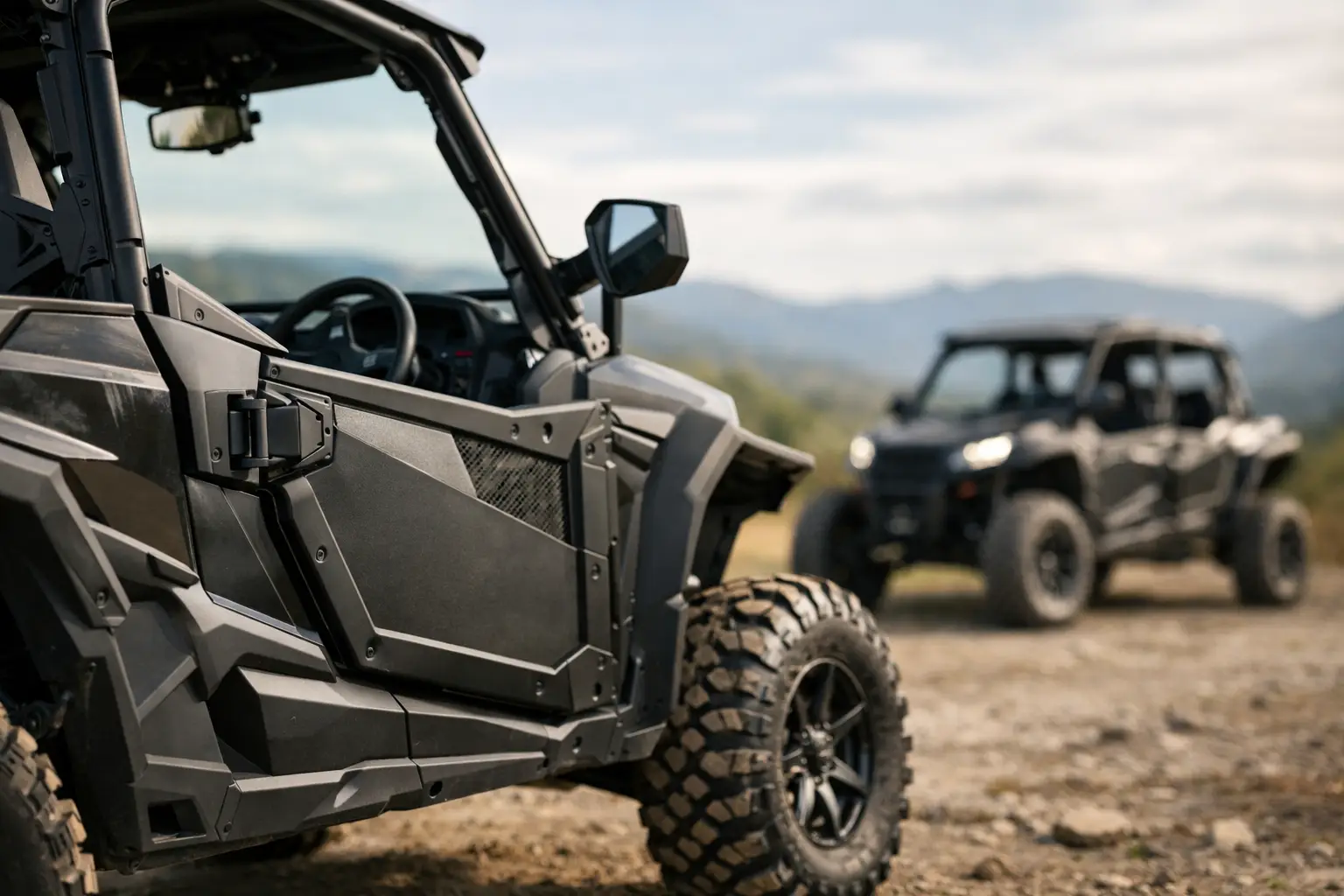
A lot of riders do not think seriously about utv doors until the first branch clips a leg, a rooster tail fills the cab with mud, or cold air starts pouring in on a late-season hunt. That is usually the moment the upgrade moves from optional to obvious. Good doors change how a machine feels on the trail, on the jobsite, and on long days covering rough ground.
For some owners, the goal is basic lower-cab protection. For others, it is a tighter, more complete enclosure that works with a windshield and roof. The right choice depends on where you ride, how you use the machine, and how much coverage you actually want. That is why buying doors is less about finding a universal favorite and more about matching the setup to your specific UTV and use case.
Why utv doors matter more than many riders expect
The biggest benefit is protection. Doors help keep brush, rocks, mud, water, and trail debris out of the cab area. If you ride wooded trails, work around pasture fences, or spend time in rocky terrain, that extra barrier is not cosmetic. It helps protect your legs and lower body from regular contact that comes with real-world riding.
Comfort is the next reason. Even a basic set of lower doors can cut down on wind entering the cab. Pair them with a windshield and roof, and the machine becomes noticeably more usable in cold weather, rain, and dusty conditions. For hunters, ranch owners, and riders who put in full days, that matters. Less fatigue and less exposure usually means more time on the machine and fewer reasons to cut a ride short.
There is also the feel of the machine. A good set of doors makes the cab feel more finished and secure. That is especially true for riders upgrading from nets or from factory half-door openings that leave a lot of space exposed.
Types of UTV doors and who they fit best
Not all door setups solve the same problem. Some are designed as a practical barrier. Others are built to create a tighter, more enclosed cab.
Lower doors
Lower doors are a common starting point because they cover the open lower half of the entry area without turning the machine into a full cab. They are popular with trail riders and utility users who want more protection from mud and brush but still like an open-air feel. They are often lighter, simpler, and more budget-friendly than full-door systems.
If you ride mostly in moderate weather and want a straightforward upgrade, this style often makes the most sense. It gives you a meaningful improvement in protection without adding as much weight or complexity.
Half doors
Half doors are a strong middle-ground option. They usually provide more structure and a more finished look than simple lower inserts, and many include integrated latches, panels, and stronger framing. For many owners, half doors hit the sweet spot between protection, appearance, and everyday usability.
They work well for riders who want easier in-and-out access than a full enclosure but still want something substantial. On sportier machines, they also tend to preserve the open-cab feel better than taller full-door systems.
Full doors
Full doors are the move when cab coverage is the priority. They are especially useful for cold-weather riding, plowing, winter chores, and year-round utility use. Combined with a roof and windshield, they help create a more controlled cab environment.
The trade-off is simple. Full doors usually cost more, weigh more, and can change the open feel that some riders prefer. But if your machine is a working tool or a four-season rig, that added coverage can be worth it quickly.
Material choices make a real difference
When comparing utv doors, material matters just as much as style. The best option depends on whether you prioritize durability, weight, weather resistance, or appearance.
Steel doors are strong and confidence-inspiring, especially for work-focused machines or riders who spend time in rough brush and tight terrain. They tend to feel substantial and hold up well under abuse, but they add weight. On some builds that is not an issue. On others, especially where agility matters, it is worth considering.
Aluminum doors are a popular option because they balance strength with lower weight. They resist rust well and are a smart pick for riders who want durable protection without adding as much mass to the machine. Many premium aftermarket systems lean in this direction for that reason.
Plastic and molded materials can work well too, particularly when designed specifically for a model. They can offer good weather resistance and a factory-style look. The quality range varies, though, so fitment, panel thickness, and hardware design matter a lot.
Soft doors are a different category. They are useful for seasonal weather protection and can be a practical part of a cab enclosure, but they are not the same as hard doors when it comes to impact resistance and long-term rugged use. For some owners, that flexibility is exactly the point. For others, it is not enough.
Fitment is where buyers save time or waste it
This category is not forgiving when it comes to fitment. A door system built for a Polaris Ranger will not necessarily fit another Ranger trim, let alone a Can-Am Defender or Honda Pioneer. Cage design, body lines, latch locations, and factory cab dimensions all vary by make, model, and year.
That is why model-specific shopping matters. Generic accessories can create installation headaches, poor sealing, bad alignment, and rattling that shows up fast on the trail. A properly designed door should follow the lines of the machine, mount cleanly, and operate without constant adjustment.
It also helps to think about the rest of the cab. Some doors are designed to work best with certain roofs, rear panels, mirrors, or windshields. If you are building out the machine in stages, compatibility between accessories matters. Buying in isolation can create a mismatch later.
What to look at before you buy
Start with your use case. A trail rider in the South has different needs than a ranch owner in snow country. If your machine spends most of its time in mud, woods, and moderate weather, half doors or lower doors may be enough. If you are trying to cut wind, retain heat, or build a more weather-ready cab, full doors deserve a harder look.
Next, look at entry and exit. This gets overlooked. A door should not make it annoying to get in and out of the machine, especially if you are using it for chores, checking fences, loading gear, or stopping often. Latch design, opening angle, and overall door height all affect day-to-day convenience.
Hardware quality matters too. Hinges, seals, latch mechanisms, and mounting points usually tell you whether a door system will stay quiet and dependable. A panel may look good in photos, but if the hardware is weak, that shows up fast when the terrain gets rough.
Then consider finish and maintenance. Powder-coated metal can hold up well, but scratches and hard use are part of off-road life. Aluminum can be easier to live with in certain conditions. Soft components may need more seasonal attention. There is no perfect material for everyone, only the right compromise for how the machine is used.
When doors are worth the upgrade right away
If your machine already has a windshield and roof, doors are often the next logical step. Without them, a lot of wind, splash, and debris still comes in from the side. Adding doors makes the other cab components work better.
They are also worth prioritizing if you ride with passengers regularly. More side protection and a more secure cab feel can make a noticeable difference in comfort and confidence. That is true whether you are trail riding with family or using the machine for property work.
And if your UTV pulls double duty for recreation and utility, doors tend to earn their keep quickly. A machine that works in the morning and heads to the trails later benefits from upgrades that improve both protection and comfort without limiting function.
The best choice depends on the machine and the job
There is no single best door for every rider. A sporty side-by-side used mainly for trail runs may be better served by lighter half doors that preserve airflow and access. A work-focused machine used for chores, hunting, and winter riding may benefit far more from full hard doors designed to close up the cab.
That is where a fitment-first approach helps. Buyers who shop by make, model, and intended use usually end up with fewer surprises and a better result. Side By Side Sports is built around that way of shopping because most UTV owners are not looking for a maybe-fit accessory. They want the right part for the machine they already know well.
The best doors are the ones that make your UTV more usable where you actually ride. If they keep out the mud, cut the wind, fit correctly, and hold up over time, they are not just another accessory. They are one of the upgrades you will notice every time you climb in.