
UTV Door Buyer Guide for Better Trail Protection
Posted by Drew Cummings on Jul 28th 2026
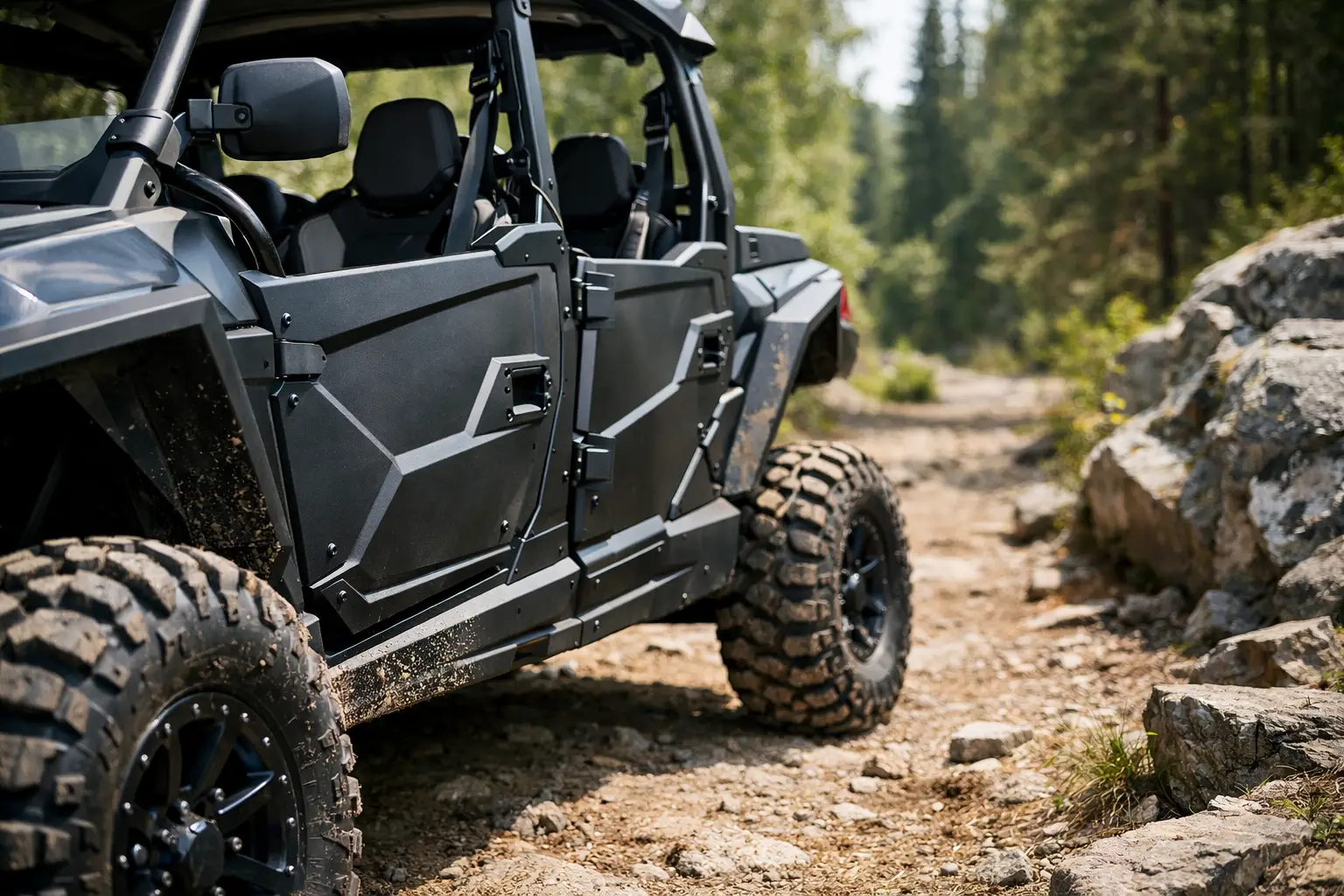
A door upgrade changes more than the look of your side-by-side. It can keep mud off your clothes, block brush from entering the cab, make cold-weather rides more comfortable, and give passengers a more secure place to ride. This UTV door buyer guide focuses on the details that matter before you buy: coverage, fitment, materials, cab compatibility, and how you actually use the machine.
UTV Door Buyer Guide: Start With How You Ride
The right door for a weekend trail machine is not always the right door for a ranch UTV, hunting rig, or enclosed winter setup. Start by identifying what you want the doors to solve. If your biggest complaint is mud and water coming through the lower opening, a quality half door may be all you need. If you ride through snow, rain, dust, or tight brush, full doors or upper door panels provide substantially more coverage.
Think about the conditions your machine sees most often, not just the one extreme ride that made you start shopping. A rider in dry, rocky terrain may prioritize a lightweight door with a dependable latch. A family using a Polaris RZR or Can-Am Maverick for longer trail days may value full-height side protection, padded armrests, and better passenger containment. For farm, ranch, and hunting use, durable panels that handle repeated entry and exit are often more valuable than a race-inspired appearance.
Door style also affects how open the cab feels. Half doors preserve airflow and visibility, which can be a major advantage in warm weather. Full doors create a more protected cockpit but can make the cab feel more enclosed, especially when paired with a windshield, roof, and rear panel. Neither approach is automatically better. Match the setup to your climate and riding habits.
Choose the Coverage Level First
Half doors
Half doors replace the open lower portion of the factory cab area. They are a popular upgrade because they add security and keep rocks, roost, and mud from entering the vehicle without turning the cab into a fully enclosed space. Many half doors include a formed panel, automotive-style latch, hinges, and a top edge that works as an armrest.
This is usually the right starting point for trail riders who want a cleaner, more finished cab and better passenger confidence. The trade-off is that your shoulders and upper body remain exposed to rain, cold air, dust, and branches. Half doors are also not always enough for deep mud or winter riding.
Full doors
Full doors extend higher toward the roofline, covering more of the side opening. They offer the strongest protection from weather and debris and are often the best fit for riders building an all-season cab. On work machines, full doors can be especially useful when the UTV is used early in the morning, in wet grass, or through colder months.
The extra coverage comes with a few considerations. Full doors can add weight, may require more adjustment during installation, and need to work correctly with your roof, windshield, mirrors, and rear enclosure. Check how the door opens in a garage, trailer, or tight barn before committing to a large full-door setup.
Upper doors and soft enclosures
Upper door panels attach above compatible half doors to close the gap between the door and roof. Some use framed hard panels, while others use soft material with clear vinyl windows. They are a practical choice for riders who want open-air riding in summer but need additional coverage during hunting season or winter.
Soft upper doors are often easier to remove and store. Hard upper doors generally provide a more permanent, finished feel and may hold up better against trail brush. Clear vinyl needs regular care, though. Abrasive cleaners and dusty storage can scratch it quickly, reducing visibility.
Fitment Is More Than Make, Model, and Year
A door that fits a 2023 Polaris Ranger may not fit every 2023 Ranger trim. Cab shape, factory doors, roof design, model generation, and accessory mounting points can all change compatibility. The same goes for popular platforms from Can-Am, Yamaha, Kawasaki, and Honda.
Before ordering, confirm the exact vehicle year, model name, trim, and cab configuration. Be specific about whether you have a two-seat or crew model. If your machine has factory-installed doors, an aftermarket roof, a windshield, side mirrors, or a rear windshield, verify that the new door system is designed to work with those parts.
Door fitment is particularly important when building a closed cab. A roof and windshield from one manufacturer may sit differently than another brand's components. A door that seals well with its matching roof may leave a gap with a different roof profile. That gap can mean extra dust in summer and cold air in winter.
If you are not sure which generation or trim you own, use the vehicle identification information and compare it against the product fitment notes. Expert support is worth using before a large purchase. One quick fitment check is far easier than dealing with a door system that arrives for the wrong platform.
Compare Materials, Latches, and Hardware
Door panels need to survive vibration, repeated impacts, and constant use. The material matters, but hardware often determines whether you enjoy the doors after the first few rides.
Steel doors offer strength and a solid feel. They can be a good choice for work-focused machines, muddy trails, and riders who want maximum panel protection. They may weigh more than other options, and a damaged coating should be addressed before corrosion starts.
Aluminum doors reduce weight while still offering substantial strength. They are common on performance-oriented builds where keeping unnecessary weight down matters. Their long-term durability depends heavily on panel thickness, bracing, and hinge design.
Molded plastic or polyethylene doors are often lighter and resist corrosion well. They can take trail abuse without showing every small impact, though they may not provide the same rigid feel as a heavily braced metal door. They are a practical option for riders who want functional coverage without adding significant weight.
Look closely at the latch system. Automotive-style latches typically provide a more positive, secure closure than basic straps or simple pins. A good latch should be easy to operate with gloves on, resist rattling, and stay closed over rough terrain. Adjustable hinges and striker plates are also valuable because they let you fine-tune alignment after initial installation.
Build Doors Around Your Existing Cab Accessories
Doors do not operate alone. They become part of a larger cab system, and that system should be planned as a package. If you already have a windshield, roof, rear panel, heater, or mirrors, check every point of contact before selecting doors.
A full windshield without side coverage can create turbulent air in the cab. Adding half doors may reduce that effect, while upper doors can improve protection further. On the other hand, a fully enclosed cab can retain heat, dust, and engine noise more than an open setup. Riders in hot climates may prefer a vented windshield and removable upper panels instead of permanent full doors.
Mirrors deserve special attention. Some door systems include mirror mounting locations, while others require separate mounts or may interfere with factory mirror placement. Also check access to door-mounted storage, grab handles, seat belt buckles, and parking brake controls. A door that looks right in a product photo can still be frustrating if it blocks routine use inside the cab.
Plan for Installation and Daily Use
Most model-specific UTV doors can be installed at home with common hand tools, but do not treat installation as a quick bolt-on job. Set aside enough time to assemble panels, mount hinges, adjust latches, and test the doors through their full range of motion. A level work area helps, particularly when aligning full doors.
Do not fully tighten every fastener before checking the door gap and latch alignment. Mount the hardware loosely, position the door, confirm it opens and closes cleanly, then tighten in stages. After the first ride, inspect all hardware again. Normal vibration and initial settling can change alignment slightly.
Think about access where you use the UTV. Wide-opening doors are convenient on the trail, but they can be awkward in an enclosed trailer or narrow equipment shed. Removable doors and quick-release upper panels can be useful for riders who switch between open-air recreation and enclosed seasonal use.
Spend Where It Improves the Ride
The least expensive door kit can be tempting, especially when you still need a roof, windshield, winch, or skid plates. But doors are handled constantly and take direct abuse from mud, branches, boots, and passenger traffic. Poor latches, thin hinges, and incomplete hardware become obvious fast.
Put your budget toward model-specific fitment, reliable latching, quality hinges, and compatibility with the cab accessories you already own. Cosmetic features can be worth adding later. A well-fitted half door with a secure latch is usually a better investment than a flashy system that rattles, leaks, or requires modification to fit.
When you are ready to narrow the options, select your exact make, model, and year first, then choose the coverage level that fits your riding conditions. Side By Side Sports can help you sort through fitment-specific door options so your next upgrade works with the machine you own and the terrain you ride.