
UTV Clutch Slipping Causes and Practical Fixes
Posted by Drew Cummings on Oct 7th 2026
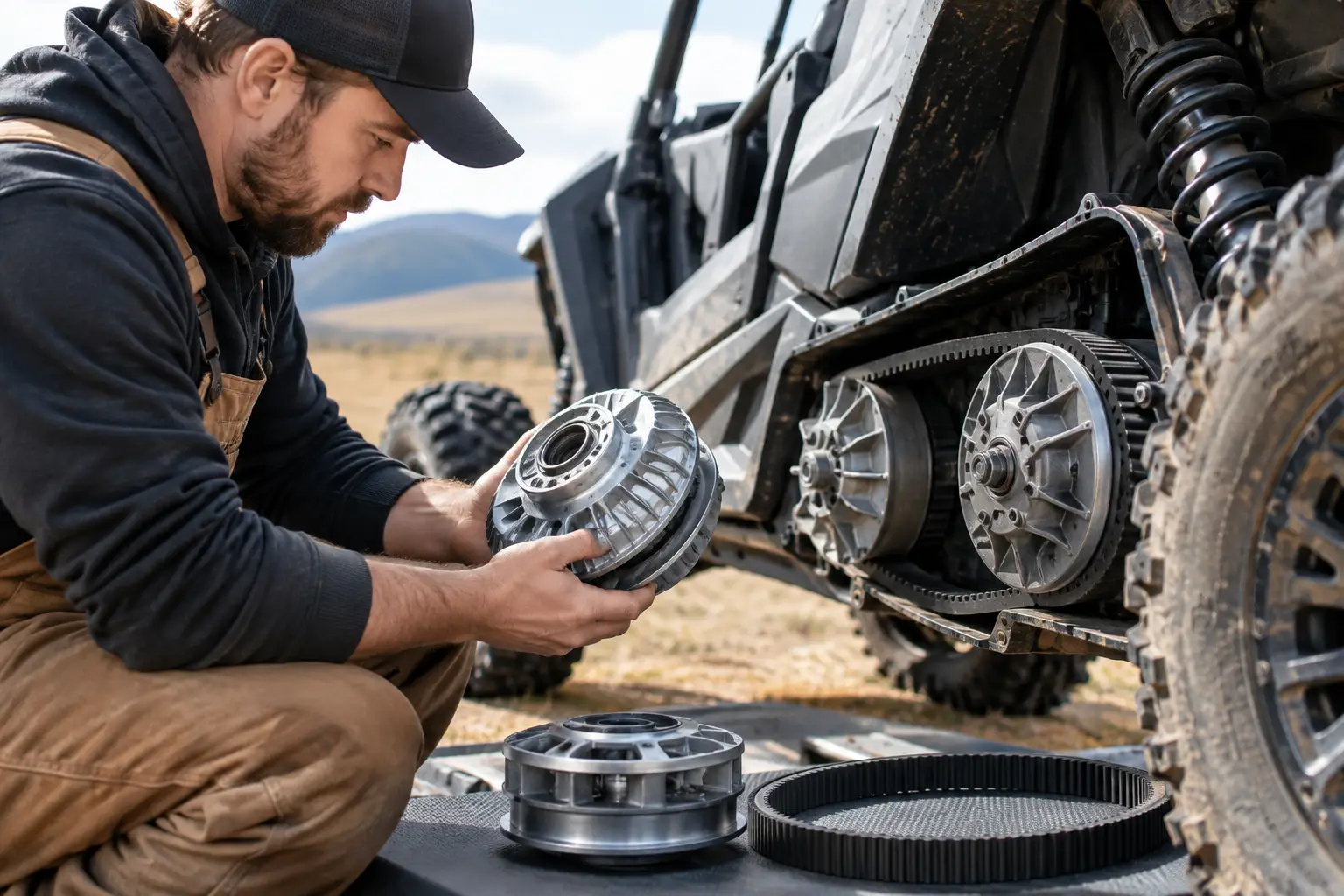
A healthy UTV should hook up and pull cleanly when you roll into the throttle. If the engine revs climb but ground speed lags, you smell hot rubber, or your machine loses its pull under a load, UTV clutch slipping is a likely culprit. On most belt-driven side-by-sides, the problem is not always the clutch itself. It can be the drive belt, clutch calibration, cooling system, or a riding condition that is generating more heat than the CVT system can shed.
The key is finding the cause before a marginal belt turns into a shredded belt or damaged clutch sheaves. That matters whether your Polaris, Can-Am, Yamaha, Kawasaki, or Honda is used for trail miles, hauling feed, hunting access, or slow technical work.
What UTV Clutch Slipping Feels Like
Most modern sport and utility side-by-sides use a continuously variable transmission, or CVT. The primary clutch responds to engine rpm and pinches the drive belt. The driven clutch changes its position based on belt tension, load, and vehicle speed. Together, those clutches keep the engine in a usable power range.
When that system slips, the belt is not gripping the clutch sheaves as it should. The first sign is often a delayed or soft launch. You may also notice excessive rpm before the vehicle starts moving, poor acceleration on hills, a burning belt smell, or a sudden loss of power while towing or carrying cargo.
Do not confuse normal low-range behavior with a slipping condition. Low range typically feels controlled and deliberate, even at low speed. A slipping CVT feels like engine power is being converted into heat instead of forward movement. In severe cases, the belt may squeal, the clutch cover may become unusually hot, and belt debris may appear inside the housing.
The Most Common Causes of UTV Clutch Slipping
A worn or heat-damaged belt is the most common starting point. Belts get narrower as they wear, reducing their ability to ride high in the clutch sheaves and maintain grip. A belt with glazed sidewalls, cracks, missing cogs, frayed edges, or a burnt-rubber odor should not be trusted for another hard ride.
Heat is usually the reason a good belt becomes a bad belt. High-speed dune runs, deep mud, oversized tires, heavy cargo, towing, and prolonged slow crawling all place additional demand on the CVT. Slow work is especially hard on the system because airflow through the clutch housing may be limited while the belt is working hard. Use low range whenever the terrain, speed, or load calls for it. Low range reduces belt strain and is not just a convenience setting.
Clutch contamination can create the same symptoms. Water, mud, oil, grease, and belt dust on the sheave faces reduce friction. A leaking engine seal or improperly lubricated component can introduce oil into the CVT housing. Riding through deep water can also leave moisture behind, and the problem may show up only after the machine has dried and been ridden under load.
Damaged clutch components are another possibility. Grooved or blue-colored sheaves, worn rollers, flat-spotted weights, weak springs, sticking buttons, or a binding one-way bearing can prevent the clutches from opening and closing correctly. A primary clutch that engages too late or a driven clutch that does not backshift can feel very much like belt slip.
Finally, consider modifications. Larger tires, portal gear lifts, engine tuning, heavy accessories, and clutch kits all change the load placed on the drivetrain. A stock clutch calibration may be fine for factory tires and casual trail riding but struggle after a machine is built for mud, elevation, towing, or big-terrain use. The right fix may be a properly matched clutch kit, not repeated belt replacements.
Check These Items Before Ordering Parts
Let the machine cool completely before opening the CVT cover. Hot clutch components can burn you, and a hot belt inspection can hide the evidence you need to see. Remove the cover according to the service procedure for your exact make and model, then inspect the belt and clutch faces under good light.
Start with the belt. Look for glazing, cracks, cords showing through, uneven edge wear, burned spots, and missing chunks. Check its width against the service specification for your machine. A belt can look acceptable at a glance yet be worn below its usable width. If it is near the limit and you are already experiencing slip, replacement is the practical move.
Next, inspect the primary and driven clutch sheaves. Their contact surfaces should be clean and smooth, not oily, deeply scored, or discolored from extreme heat. A light gray film of belt dust is normal. Thick rubber buildup or oily residue is not. Also inspect the clutch intake and exhaust ducts for packed mud, leaves, nesting material, or damaged seals that restrict cooling airflow.
Use this short diagnostic sequence to narrow the problem:
- Check whether the issue occurs only under heavy load, on steep climbs, or at slow speeds.
- Inspect belt condition, width, and the inside of the clutch housing for dust or debris.
- Verify that clutch cooling ducts, vents, and cover seals are clear and properly installed.
- Review recent changes such as larger tires, a tune, a lift, clutch work, or frequent towing.
If the problem began immediately after a belt change, confirm that the belt is the correct part number and installed in the specified direction if directional arrows are present. A belt that is too long, too narrow, or built with the wrong compound can cause engagement and shift problems even if it fits over the clutches.
Cleaning and Repairing the CVT System
If the belt is serviceable and contamination is minor, clean the clutch sheaves with a residue-free cleaner approved for clutch surfaces and a clean lint-free cloth. Do not apply belt dressing, oil, grease, or silicone products to the belt or sheaves. These products may seem like a quick fix, but they reduce grip and can accelerate belt failure.
Replace a clearly worn, glazed, or heat-damaged belt with a quality belt matched to your exact UTV. Cheap universal replacements can be a false economy, especially on high-horsepower machines or utility rigs that regularly tow. Fitment matters. A belt designed for your engine, clutch spacing, and intended use is far more likely to deliver consistent engagement and service life.
If the sheaves are deeply grooved, badly heat-spotted, or damaged by belt debris, cleaning alone will not restore them. The clutch may need rebuilding or replacement. Internal clutch service also requires the correct holding and compression tools. Springs are under significant tension, so this is not a place to improvise with pry bars or makeshift compression methods. If you are not equipped to inspect weights, rollers, bushings, buttons, and springs safely, a qualified powersports technician can prevent an expensive mistake.
For modified machines, match the repair to the setup. Tire size, rider load, typical terrain, elevation, and engine output all affect clutch calibration. A clutch kit intended for 32-inch mud tires is not automatically right for a trail machine on 30-inch all-terrains. Choose parts based on how the vehicle is actually used, not just the biggest advertised performance claim.
Prevent Belt Slip Before It Starts
The best CVT repair is avoiding the heat that causes failure in the first place. Shift to low range for slow, technical riding, deep mud, plowing, towing, steep climbs, and heavy loads. Avoid holding the throttle at part engagement for extended periods, particularly when crawling over obstacles. That condition can make the belt slip between the sheaves and generate serious heat quickly.
Keep the clutch intake and outlet clean after dusty or muddy rides. If your riding routinely includes deep water or fine powder, inspect the CVT housing more often and make sure every cover gasket and duct connection is sealed correctly. A clutch ventilation upgrade can help certain builds, but it will not compensate for the wrong gear range, an oil-contaminated belt, or a worn clutch.
New belts also need sensible use. Follow the belt maker's break-in guidance, which commonly calls for moderate throttle and varied speed for the initial ride period. Hard launches before a new belt seats can glaze it early and shorten its service life.
A slipping clutch is the machine telling you that heat, wear, contamination, or setup is getting ahead of traction. Address it while the evidence is still visible, choose fitment-specific parts, and your side-by-side will be ready to pull hard when the trail, job site, or hunt demands it.