
UTV Bumpers for Trail Work and Recovery
Posted by Drew Cummings on Aug 13th 2026
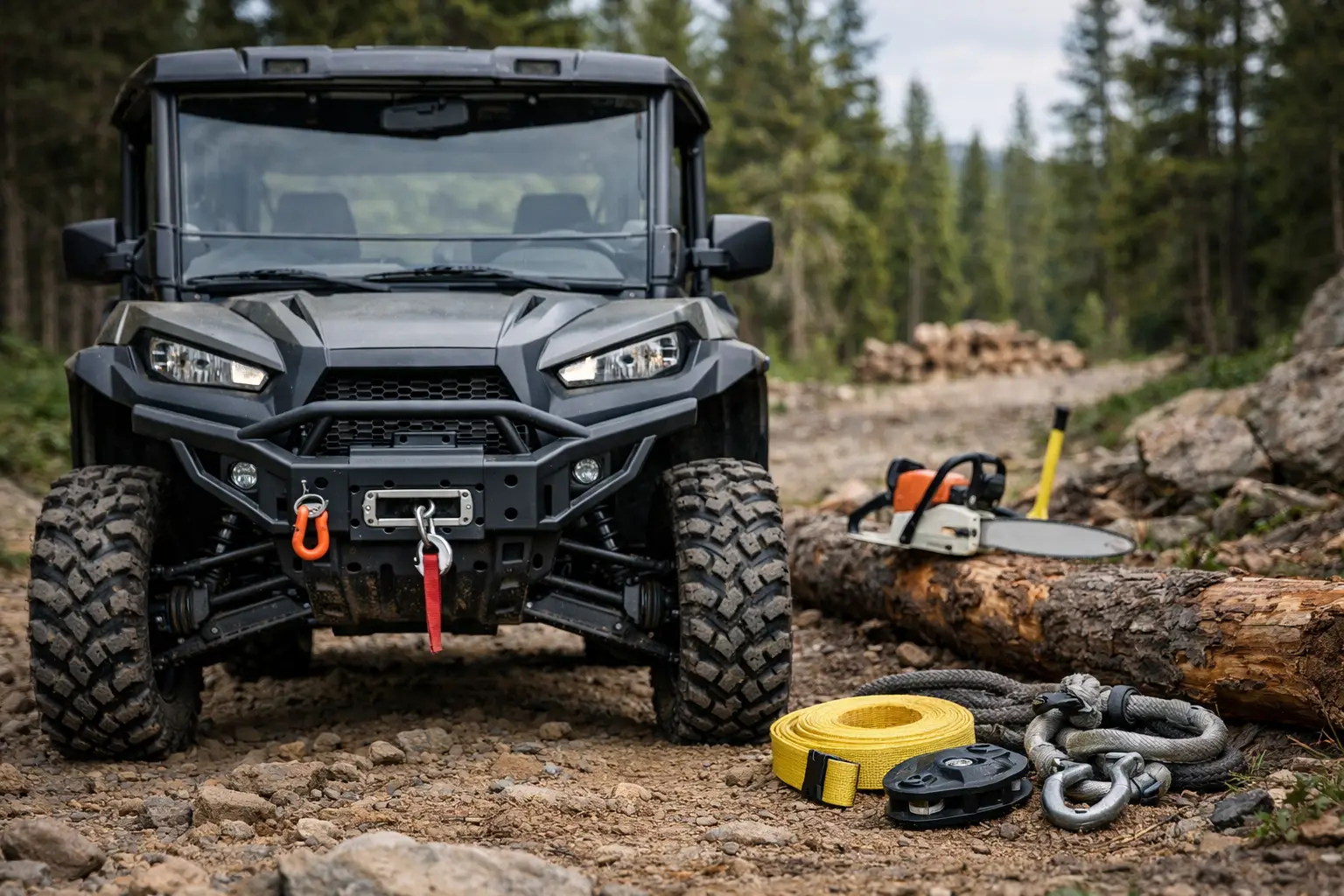
A bumper earns its place the first time a hidden stump catches the front corner, a low branch reaches across a tight trail, or a recovery pull has to happen before dark. The right UTV bumpers do more than change the look of your machine. They protect high-cost components, create a proper mounting point for accessories, and help prepare a side-by-side for the terrain and work it actually sees.
That does not mean the biggest bumper is always the best choice. A ranch machine, a fast trail rig, and a hunting UTV can all need different coverage, weight, clearance, and accessory support. Start with the job, then narrow the choices by your exact make, model, trim, and year.
What UTV Bumpers Are Built to Protect
A factory bumper is often designed for light contact and basic appearance. It may offer limited protection for the radiator, headlights, grille, lower plastics, and front suspension area when the trail gets tight. An aftermarket front bumper extends coverage where it matters most, with tubing, plate construction, or a combination of both positioned ahead of vulnerable components.
On rocky trails, that extra structure can help deflect brush and absorb minor impacts that would otherwise damage bodywork. In wooded areas, a full front bumper or brush guard can keep saplings and branches away from the grille and headlights. For work machines, it also provides a better first line of defense around gates, loading areas, fence rows, and uneven ground.
Rear bumpers deserve the same attention. The back of a UTV is exposed when backing to a trailer, working around buildings, or descending obstacles that force the machine to pivot. A rear bumper can protect the bed corners, tail lights, exhaust area, and lower rear plastics while adding a more secure point for recovery or towing-related use.
Protection has limits. A bumper is not a substitute for careful line choice, a skid plate, or proper vehicle recovery technique. Its purpose is to take the routine abuse that comes with real riding, not make a side-by-side invincible.
Choose UTV Bumpers by How You Use the Machine
The fastest way to narrow the category is to be honest about where the machine spends its time. A UTV used mostly for open, flowing trails may benefit from a compact front bumper that protects the nose without adding unnecessary length or weight. This style can preserve a clean profile and reduce the chance of hanging up on ledges or trees in tight turns.
Riders who regularly run wooded trails, deep brush, or rough backcountry routes usually need more coverage. A heavy-duty front bumper with a grille guard can protect a wider section of the front end and provide more confidence when trail conditions become unpredictable. The trade-off is added weight and, depending on the design, a slightly reduced approach angle.
For hunting, ranch, and property work, consider how often the machine encounters brush, livestock gates, trailers, and low-speed obstacles. A bumper with practical protection and a winch-ready center section may be more useful than an aggressive-looking design with limited accessory capability. If snow plowing is part of the plan, verify that the bumper will not interfere with the plow mount, push tube, or winch arrangement.
Overland-style builds often need a balance of protection and usable mounting space. The best setup may include a bumper designed around a winch, recovery points, auxiliary lights, and a skid plate system. Each addition should serve a purpose. Extra hardware that crowds the front end or blocks airflow can create problems that are not obvious in a product photo.
Front Bumper Features That Matter
Winch mounting and fairlead placement
A winch is one of the most practical accessories a UTV owner can add, but the bumper and winch mount need to work as a system. Some bumpers include an integrated winch mount, while others require a separate model-specific mounting plate. Never assume a universal winch plate will line up correctly or leave sufficient clearance for the radiator, suspension movement, and front bodywork.
Check the fairlead location as well. The winch rope should feed straight and cleanly through the fairlead, without rubbing bumper tubing or contacting sharp edges. A poorly positioned fairlead can cause premature rope wear and make a recovery more difficult when the pull is off-center.
Coverage without lost clearance
More tubing is not automatically more protection. A bumper that extends too far forward can reduce approach angle and become the first point of contact on a steep climb. That matters for rock riders and anyone crossing washouts, culverts, or sharp trail transitions.
Look for designs that protect the headlights and grille while following the machine's natural front profile. The strongest option is often one that places material in the right areas, not simply the one with the most material.
Light and accessory mounting
Many front bumpers include tabs for cube lights, small light bars, or whip mounts. These tabs can keep accessories secure and reduce the need to drill into plastics. Before choosing, confirm the light size, mounting pattern, and wire-routing space.
Also consider visibility. A bumper-mounted light can improve low-angle trail illumination, but it may sit lower than hood-mounted lighting and be more exposed to water, mud, and impacts. If you ride in deep water or snow, protected mounting locations are worth prioritizing.
Rear Bumpers Are More Than Parking Protection
A rear bumper is often purchased after a backing incident, but it can be a smart first upgrade for utility-focused machines. It helps protect body panels during trailer loading, feeding chores, and tight maneuvering around equipment. On trail machines, it can shield rear corners from trees and rocks when the vehicle slides or pivots through a narrow section.
Pay attention to hitch access. If you pull a utility trailer, haul a sprayer, or use a receiver-mounted accessory, the bumper should leave the receiver usable and allow enough room for the hitch pin, safety chains, and trailer coupler. Some designs also work with factory bed tilt functions, while others may require more clearance checks.
Recovery points matter here too. A proper recovery point is designed to handle load in the intended direction. Decorative tabs and light-duty tie-down points are not automatically safe recovery anchors. Use rated recovery equipment, inspect it before use, and avoid attaching a strap or rope to a component that was never intended for that load.
Fitment Is the First Requirement
A well-built bumper that does not fit your specific UTV is not a bargain. Model-year changes can affect mounting holes, front plastics, radiator placement, winch access, sensor locations, and factory accessory compatibility. This is especially common across Polaris RZR and Ranger platforms, Can-Am Maverick and Defender models, Yamaha Wolverine and RMAX machines, Kawasaki Teryx models, and Honda Pioneer or Talon setups.
When comparing bumpers, confirm the exact vehicle year, model, and trim. Check whether the product works with your factory winch, aftermarket winch plate, plow mount, skid plate, doors, fender flares, or front receiver. If your machine has special equipment such as a camera, radar sensor, or factory light package, make sure the bumper will not block it.
Installation is another fitment issue. Most model-specific bumpers are designed to use existing mounting locations and include the required hardware, but the job may still involve removing front plastics, relocating a winch control box, or adjusting accessory brackets. Read the installation requirements before the box arrives, particularly if you plan to install several front-end upgrades at once.
Material, Finish, and Weight Trade-Offs
Steel bumpers are common because they provide strong impact resistance and can handle demanding trail and work use. Powder coating helps protect the finish, but it is not permanent armor. Chips from rocks and repeated contact with brush should be cleaned and touched up before corrosion gets established.
Aluminum bumpers can reduce front-end weight, which may appeal to performance riders and owners who want less load on the suspension. They can still offer meaningful protection, though their response to hard impacts differs from steel. The right material depends on the expected abuse, desired coverage, and how much weight you are willing to add.
Weight affects more than acceleration. A heavy bumper, winch, battery upgrade, lights, and plow hardware can add substantial load ahead of the front axle. If the front end begins to sag or steering feel changes, suspension adjustments or heavier springs may be worth considering. Build the machine as a system instead of adding parts one at a time without accounting for their combined effect.
Build the Front End Around Real Needs
The best bumper setup is the one that supports the way you ride and work without creating clearance, fitment, or accessory conflicts. A compact trail bumper may be the right call for a recreational RZR. A winch-ready brush guard can make more sense for a Defender used around a property. A rear bumper with protected corners and hitch clearance may save more frustration than another cosmetic add-on.
Before ordering, identify your exact machine, list the accessories that must stay compatible, and decide where protection is most needed. If fitment questions come up, Side By Side Sports can help narrow the options before you spend time adapting a part that was never designed for your UTV. The right bumper should look at home on the machine, but more importantly, it should be ready when the trail, job site, or recovery situation stops being predictable.