
UTV Beadlock Wheels Versus Standard Wheels
Posted by Drew Cummings on Oct 28th 2026
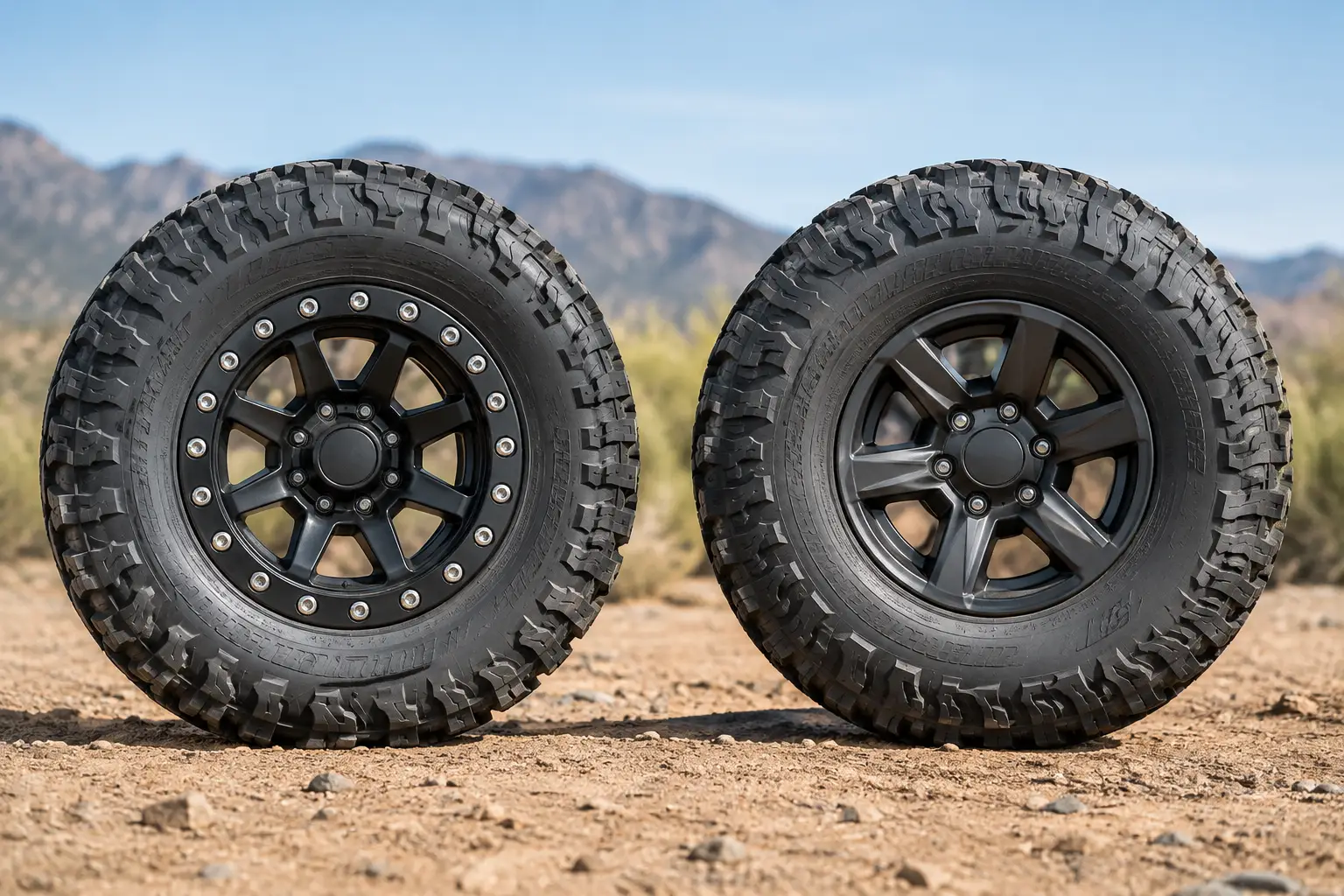
A tire rolling off the rim five miles from the trailer can end a good ride fast. That is the real question behind UTV beadlock wheels versus standard wheels: do you need the extra protection to run lower tire pressure, or will a conventional wheel handle the terrain and workload your machine sees?
For many UTV owners, standard wheels are the right answer. They are simpler, lighter, and more affordable. Beadlocks earn their place when traction matters enough to justify the added cost, maintenance, and rotating weight. The right choice depends on how you ride, what tire pressure you need, and whether your UTV spends its time on hard-packed trails, rocks, mud, sand, ranch roads, or a mix of all of it.
UTV Beadlock Wheels Versus Standard: The Real Difference
A standard UTV wheel retains the tire bead using the shape of its rim flange. At normal operating pressures, the air inside the tire presses the bead firmly against that flange. It is a proven design that works well for everyday trail riding, utility work, plowing, hunting routes, and general recreation.
A true beadlock wheel adds a mechanical clamping system, usually on the outer bead. A removable ring bolts to the wheel and physically holds the tire bead in place. That clamp helps prevent the outer bead from unseating when the tire is aired down for a larger contact patch.
The distinction matters because not every wheel with exposed hardware is a beadlock. Many wheels use a simulated beadlock ring for appearance only. A simulated ring may protect the wheel lip from minor scrapes, but it does not clamp the tire bead or provide the same low-pressure capability. Check the product description closely before buying.
Beadlocks are not automatically stronger in every respect. Their primary advantage is bead retention. Wheel strength comes from the specific wheel design, material, construction, load rating, and the impacts it is built to handle.
Why Lower Pressure Changes the Conversation
Lower tire pressure allows the tire carcass to flex and spread over more ground. On rocks, that helps the tire conform around edges instead of bouncing across them. In sand and snow, a wider footprint helps the machine stay on top rather than dig down. In mud, pressure changes can help, although tread design and forward momentum still do much of the work.
The trade-off is that a low-pressure tire is more likely to unseat from a standard wheel during a hard side load, sharp turn, off-camber climb, or impact. This is especially common with larger, heavier tires and aggressive riding. A beadlock gives riders more confidence to tune pressure down where terrain demands it.
That does not mean every beadlock-equipped UTV should run extremely low pressure. Tire construction, vehicle weight, speed, terrain, and the manufacturer’s recommendations all matter. Going too low can pinch a sidewall, damage a tire carcass, make steering vague, or increase the chance of a wheel strike. Beadlocks help retain the bead, but they do not make a tire invincible.
When Standard Wheels Make More Sense
Standard wheels remain the practical choice for a large share of Polaris, Can-Am, Yamaha, Kawasaki, and Honda owners. If your UTV runs factory-size or moderately sized tires, stays near normal pressure, and sees mostly maintained trails or job-site use, a quality standard wheel is usually all you need.
They also make sense for riders who value low maintenance. With a conventional wheel, tire mounting is more straightforward and there are no beadlock ring bolts to inspect or torque. Standard wheels are commonly lighter, which can help reduce unsprung and rotating weight. Less weight at each corner can improve acceleration, braking response, suspension movement, and steering feel.
Cost is another deciding factor. A good set of standard wheels leaves more budget for tires, skid plates, a winch, suspension work, or other upgrades that may offer a bigger improvement for the way you use your machine. For ranch work, hunting access, property maintenance, and casual trail miles, spending more on beadlocks may not produce a noticeable return.
Where Beadlock Wheels Earn Their Cost
Beadlocks are built for riders who regularly put their UTV in conditions where a conventional bead is more likely to fail. Rock crawling is the clearest example. A slow, technical climb can place heavy side loads on a tire while the driver needs low pressure for traction and compliance. That is exactly where a true beadlock earns its reputation.
They are also a strong option for deep sand, desert riding, loose hill climbs, and aggressive trail riding with oversized tires. If you frequently air down and air back up at the trailhead, beadlocks provide useful insurance against a frustrating tire de-bead. They can also be worthwhile on machines carrying extra weight from a cab enclosure, recovery gear, cargo, aftermarket bumpers, or long-distance overland equipment.
There is a practical repair advantage as well. A damaged outer tire bead can sometimes be addressed in the field by removing the ring and repositioning the tire, provided you have the tools, spare hardware, and experience. That is not a quick roadside job, but it can be better than being stranded when a standard tire refuses to reseat.
The Trade-Offs Beadlock Buyers Need to Know
A beadlock wheel asks more from the owner. Installation requires careful cleaning of the tire bead and wheel surfaces, proper bolt tightening in a crisscross sequence, and use of the manufacturer’s specified torque. Bolts need to be rechecked after initial riding and inspected periodically. Uneven torque can cause a leak, distort the ring, or create clamping problems.
Weight is another consideration. The ring and hardware add mass at the outer edge of the wheel, where rotating weight has the greatest effect. On a high-speed trail machine, that additional weight may be noticeable. Riders who want quick steering response and maximum acceleration may prefer a lighter conventional wheel, particularly if they do not need low-pressure traction.
Beadlocks can also complicate tire service. Some tire shops will not mount them, and others may charge more because of the time involved. Ring bolts can corrode or become damaged after repeated tire changes, so keeping spare hardware on hand is smart for riders who travel far from home.
Finally, consider where the UTV will be used. Rules for road use, safety equipment, and aftermarket wheel configurations vary by location. Many beadlock wheels are intended for off-road or competition use. Verify the wheel manufacturer’s intended use and follow applicable local requirements before operating on public roads.
Fitment Matters More Than the Wheel Style
A beadlock that does not fit correctly is not an upgrade. Before ordering any UTV wheel, confirm the bolt pattern, center bore, offset or backspacing, wheel diameter, and load rating for your exact make, model, and year. These details affect suspension clearance, steering travel, brake clearance, and overall track width.
Offset deserves special attention. A wheel that pushes the tire outward can improve clearance for larger tires, but it may increase steering effort and place additional leverage on wheel bearings and suspension components. A wheel with too much inward backspacing can contact tie rods, brakes, shocks, or control arms. Larger tires add another layer of clearance concerns at full steering lock and full suspension compression.
Match wheel width to the tire manufacturer’s recommended range. A very wide wheel can expose sidewalls and alter tire shape, while a wheel that is too narrow can make mounting difficult and affect handling. If you are stepping up in tire size, check your UTV’s clutching, gearing, lift requirements, and fender clearance at the same time.
For a fitment-specific build, selecting wheels by vehicle first is the fastest way to avoid expensive mistakes. Side By Side Sports focuses on make-and-model compatibility so riders can narrow the options before choosing finish, diameter, offset, and beadlock style.
Choose Based on the Terrain You Actually Ride
Choose standard wheels if your UTV is primarily a work machine, a hunting rig, or a trail rider that operates at normal pressure on predictable terrain. Put the savings toward high-quality tires and protection equipment, because those upgrades often matter more than a beadlock ring.
Choose true beadlocks if you regularly air down for rocks, sand, technical trails, or heavy off-road use, and you are willing to maintain them correctly. They are a purpose-built tool, not a mandatory upgrade for every side-by-side.
The best wheel is the one that matches your tire, terrain, and machine setup. Buy for the trails and jobs you do most often, then make sure every fitment detail is right before the first mile.