
How to Choose a UTV Windshield for Your Ride
Posted by Drew Cummings on Jul 20th 2026
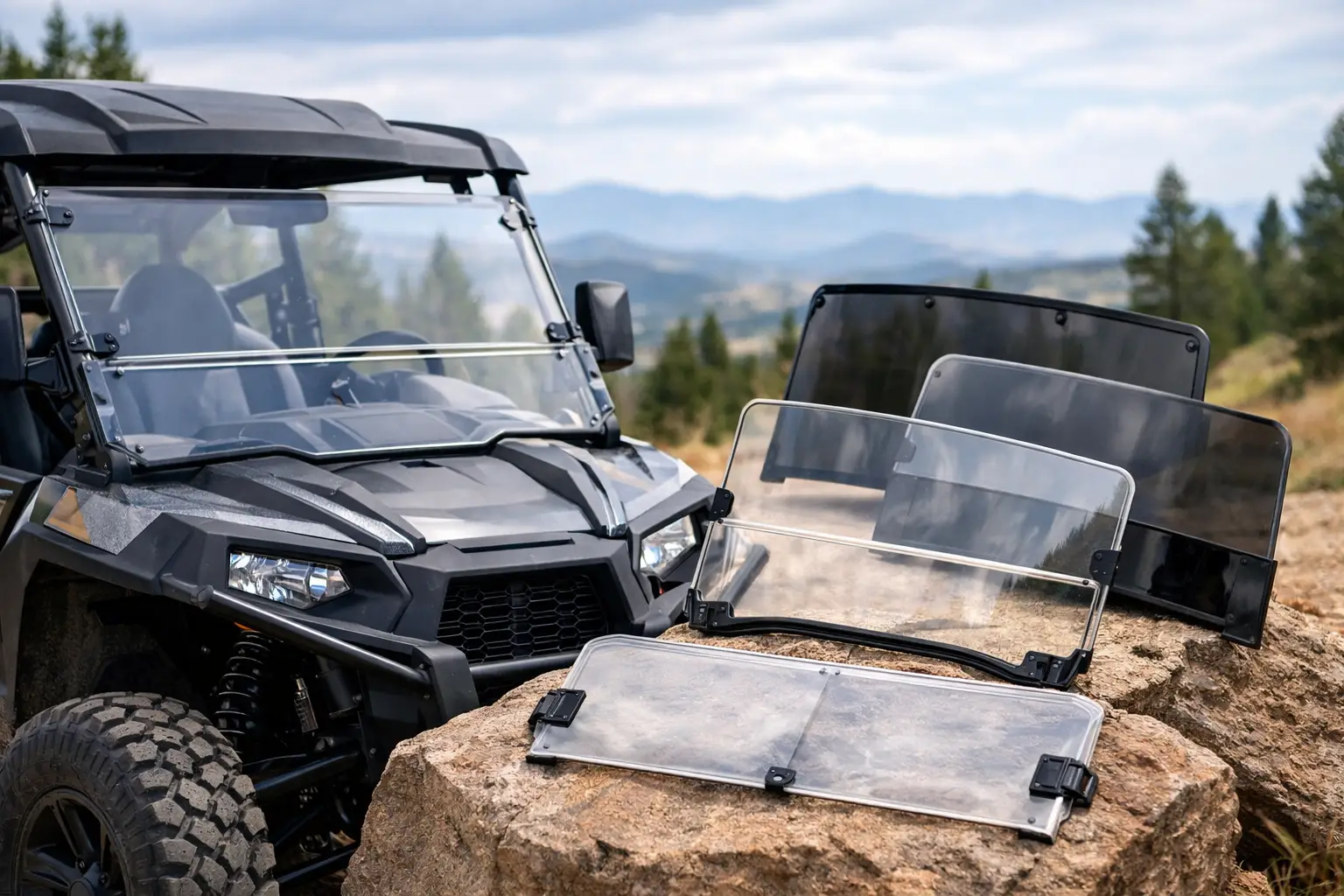
A windshield changes more than the view from the driver’s seat. It determines how much dust hits your face on a dry trail, whether cold air rolls through the cab in November, and how comfortably you can work or ride when weather turns ugly. Knowing how to choose utv windshield options starts with your machine’s exact fitment, then comes down to where and how you actually use it.
A full windshield is not automatically the right answer for every side-by-side. A ranch machine that sees winter feeding runs needs different coverage than a trail UTV that spends most of July in slow, technical woods. The best choice is the one that protects you without creating new problems with airflow, visibility, storage, or compatibility with the accessories already on your machine.
Start With Exact UTV Fitment
Your make, model, model year, trim, and cab configuration matter. Windshields are shaped around specific cage profiles, hood lines, door frames, roof systems, and mounting points. A windshield made for a Polaris RZR may not fit a Ranger, even if both machines are from the same year. The same applies across Can-Am, Yamaha, Kawasaki, Honda, and other platforms.
Do not rely on a product that is described as universal unless you understand the compromises. Universal panels can work for certain simple applications, but model-specific windshields generally seal better, mount more securely, and maintain the intended line of sight. They also reduce the chance of rattles, gaps, or interference with a factory roof, aftermarket doors, mirrors, light bars, or wiper kits.
Before ordering, confirm the complete vehicle information and check whether the windshield is designed for your cab style. This is especially important on models offered with multiple cage designs or factory enclosed-cab versions. If you have added accessories, verify that the windshield can coexist with them. A good windshield should make your UTV more usable, not force you to remove the upgrades you already depend on.
How to Choose UTV Windshield Coverage
The first major decision is coverage. Think about the conditions you face most often, not just the worst weather day of the year.
Full Windshields for Maximum Protection
A full windshield covers the front opening from the roof line to the hood. It is the best fit for riders who need serious protection from rain, snow, cold air, mud, branches, and trail debris. Hunters, ranch owners, plow operators, and riders who use their machines through shoulder seasons usually get the most value from full coverage.
The trade-off is airflow. A fixed full windshield can trap heat in warm weather and may create a low-pressure area behind the cab that pulls dust inward from the rear. That does not make it a bad option. It means a full windshield works best when paired with the right rear panel, back window, doors, roof, or venting solution for your setup.
Half Windshields for Airflow and Trail Visibility
A half windshield blocks wind and debris from the lower part of your body while leaving the upper opening exposed. It is a popular option for recreational riders in warm climates because it keeps the cab open and gives the driver a direct, unobstructed view over the panel.
Half windshields are lighter and simpler, but they do not provide the same cold-weather or rain protection. At higher speeds, air can still hit your helmet and shoulders. If you mostly run dry trails, dunes, or wooded routes in spring and summer, that open-air feel may be exactly what you want.
Folding and Vented Windshields for Changing Conditions
A folding windshield gives you more flexibility than a fixed panel. Depending on the design, you can run it closed for rain and cold, then open a section for airflow when the day heats up. Vented windshields offer a similar advantage by allowing controlled air movement without removing the whole panel.
These are strong all-around choices for riders who use one UTV across several seasons. More moving parts and seals do mean more to inspect over time, especially if you ride hard in mud, washboard terrain, or heavy brush. Buy a design with secure latches and hardware built for off-road vibration.
Choose the Right Windshield Material
Material affects impact resistance, scratch resistance, weight, clarity, and price. The two materials most UTV owners compare are polycarbonate and acrylic.
Polycarbonate is the workhorse for serious off-road use. It is highly impact-resistant and handles flying rocks, branches, and trail strikes better than acrylic. For fast trail riding, wooded terrain, work use, or any situation where impact protection matters, polycarbonate is usually the practical choice.
Not all polycarbonate is equal. Basic clear polycarbonate can scratch more easily than treated material. A hard-coated or scratch-resistant polycarbonate windshield costs more up front, but it is often worth it for riders who want clearer long-term visibility. If your machine sees sand, dust, brush, or frequent washing, the coating can make a noticeable difference.
Acrylic offers good optical clarity and naturally resists light scratching better than untreated polycarbonate. It can be a good fit for casual riding and lower-risk use. Its downside is brittleness. A hard impact that polycarbonate may absorb can crack acrylic. For aggressive trails, rough work environments, or cold-weather riding where branches and debris are common, that trade-off matters.
Glass is another option on select models, usually in full-cab or automotive-style windshield systems. It provides excellent clarity and scratch resistance and may support an automotive-style wiper. It is heavier, more expensive, and limited by vehicle fitment, so it is not the default choice for most open-cab sport or utility UTVs.
Plan for Airflow, Dust, and Cab Pressure
Many windshield problems are really cab-system problems. Install a full front windshield without considering the back of the vehicle, and you may experience dust swirling into the cab from behind. This happens because the windshield changes the way air moves around the UTV.
If you ride on dusty roads, in convoys, or behind other machines, consider a rear windshield or back panel along with your front windshield. A roof and doors can further improve protection, but the combination needs to fit your riding climate. A fully enclosed cab can be excellent in winter and miserable in August without vents, opening windows, or climate-control accessories.
For a machine used year-round, a vented or folding front windshield often provides the best balance. It lets you reduce wind in cold weather while giving yourself an outlet when temperatures rise. There is no single correct setup. A rider in Arizona may prioritize open airflow, while a Wisconsin landowner may prioritize a sealed, heated cab.
Check Visibility Before You Buy
The windshield edge, frame, and mounting hardware should not sit in your main sightline. This is especially relevant with half windshields and certain folding designs, where the top edge can land near the driver’s eye level depending on seat position.
Also consider how the material will look after a season of use. A windshield that is crystal clear on day one can become hazy if it is cleaned with dry paper towels, abrasive cleaners, or improper brushes. Use a microfiber cloth, plenty of water, and a cleaner approved for the material. Wipe away loose grit before rubbing the surface.
If you regularly ride in rain, look for a windshield designed to accept a wiper or choose a system that already includes one where available. Water beads, mud splash, and morning frost are manageable until visibility drops at the wrong moment on a trail or job site.
Match the Mounting System to Your Use
Clamp-on windshields are common because they install without permanent modification and are easy to remove. Quality clamps and padded contact points matter. Cheap hardware can loosen, squeak, or mark the cage over time.
Tool-less quick-release systems are useful if you change configurations frequently. They make sense for riders who want an open cab in summer and full coverage in winter. For permanent work use, a more fixed mounting design may be perfectly fine if it provides a tighter seal and fewer moving components.
Look closely at the seals around the roof and hood. A windshield does not need to be fully weatherproof to be useful, but poor sealing can lead to annoying whistles, rattles, and water dripping directly into the cab. This is where fitment-specific products earn their keep.
Build the Windshield Around Your Real Use
Choose a half windshield if open-air trail riding and warm-weather airflow are the priority. Choose a full hard-coated polycarbonate windshield if you run brushy trails, work in bad weather, or want dependable front protection. Choose a vented or folding design when one machine needs to handle changing seasons and different types of rides.
At Side By Side Sports, shopping by your exact make and model helps narrow the field quickly, but the final call should still reflect your terrain, weather, and existing cab accessories. The right windshield is the one you stop noticing halfway through the ride because the wind, dust, and weather are no longer running the cab.