
Choosing the Right Yamaha Wolverine Storage Rack
Posted by Drew Cummings on Aug 5th 2026
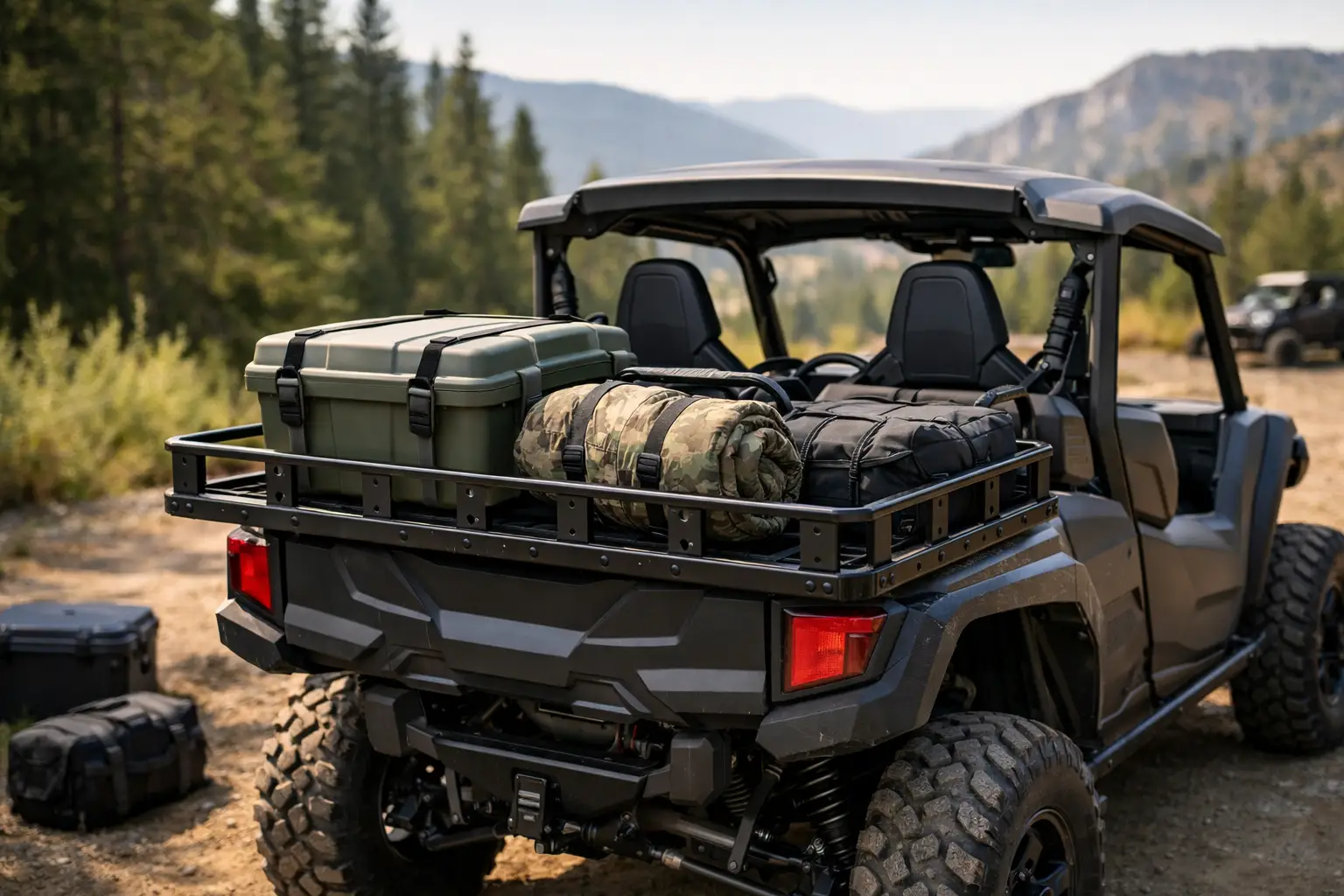
A Yamaha Wolverine storage rack can turn unused space on your machine into secure, accessible cargo capacity. That matters when the day includes more than a quick lap around the property. Hunting gear, recovery equipment, tools, rain layers, fuel, and camp supplies all need a place that will not shift, rattle loose, or interfere with how the Wolverine works.
The right rack is not simply the biggest one available. It needs to match your specific Wolverine model, the way you use the vehicle, and the gear you actually carry. A rack that is ideal for a ranch machine may be the wrong setup for a tight-woods trail rig, while an overhead rack that keeps the bed open can be a major advantage for riders hauling coolers or feed bags.
Start With Your Yamaha Wolverine Model and Cab Setup
Fitment comes first. Yamaha Wolverine models vary by year, chassis, seating configuration, roof design, and factory accessory package. A storage rack made for a Wolverine X2 may not mount correctly on a Wolverine X4, and a rack designed around a bare cage can conflict with a hard roof, windshield, rear panel, or enclosed cab.
Before choosing a rack, confirm the exact model year and model designation. Also account for accessories already installed. A roof rack may use mounting points needed by a soft enclosure. A rear cargo rack can affect access to a dump bed, tailgate, or rear storage compartment. Even small changes in cage shape and mounting hardware can make a supposedly close fit a frustrating installation.
Model-specific racks are worth the investment because they are engineered around the vehicle instead of relying on universal clamps and compromise. Proper brackets place the load where the frame and cage can support it, reduce vibration, and avoid unnecessary contact with painted panels or plastics.
Types of Yamaha Wolverine Storage Rack Options
The best Yamaha Wolverine storage rack depends on where you need cargo space and how quickly you need to reach it. Most Wolverine owners get the strongest result by adding capacity in a location that does not interfere with their primary cargo area.
Roof and Overhead Racks
Roof-mounted racks are a smart choice for bulky but lighter gear. They can carry items such as camp chairs, tarps, fishing equipment, spare clothing bags, or a low-profile cargo bag while leaving the bed clear for heavy items. For an X4, overhead storage can be especially useful when all seating positions are occupied and interior storage disappears quickly.
The trade-off is height. A roof rack raises the machine's overall profile, which can matter in low garages, enclosed trailers, wooded trails, and under barn doors. It also raises the center of gravity when loaded. Keep heavier cargo low in the vehicle and reserve roof storage for lighter, tightly secured equipment.
Rear Cargo Racks and Bed Extenders
Rear racks can add usable space behind the cab or above the rear cargo area, depending on the Wolverine platform. They work well for jobsite tools, hunting totes, chainsaws, recovery boards, and weatherproof storage boxes. A rear rack can also create a dedicated spot for gear you do not want rolling around in the bed.
Check whether the design preserves full bed operation. If your Wolverine is used for property work, the ability to dump the bed may be more valuable than added rack capacity. Some owners are better served by a bed-mounted organizer or box system rather than a rack that limits bed access.
Interior and Under-Seat Storage Systems
Interior storage racks and organizers keep small essentials protected from mud, branches, and weather. These setups are useful for gloves, tie-downs, radios, first-aid supplies, hand tools, maps, and recovery straps. They also prevent loose gear from becoming a distraction or hazard on rough terrain.
Interior capacity is naturally limited, so focus on equipment that needs to stay clean, dry, and immediately accessible. An enclosed bag or sealed box paired with a secure mounting system is generally more useful than an open tray for daily trail riding.
Match Rack Capacity to Real Cargo, Not Wishful Cargo
A rack's listed load capacity is only one part of the decision. You also need to consider the Wolverine's overall payload rating, bed rating, roof rating where applicable, and the effect of cargo placement on handling. A rack might safely hold a stated amount of weight, but that does not mean the machine should carry that much weight high on the cage or beyond its total payload limit.
For work use, organize gear by weight and frequency. Put the heaviest items low and near the center of the vehicle. Store tools and supplies you reach often where they can be accessed without unloading half the machine. For hunting or overlanding, keep recovery gear, emergency equipment, and navigation supplies in a predictable location every ride.
A practical storage plan often separates cargo into three groups: heavy equipment in the bed or low-mounted box, quick-access essentials inside the cab, and lighter bulky items on a roof or rear rack. That approach keeps the Wolverine balanced and makes it easier to find what you need when the trail gets rough or daylight runs out.
Look Closely at Construction and Mounting Hardware
Trail conditions are hard on storage equipment. Washboard roads, rocky climbs, mud holes, and repeated vibration expose weak welds, thin tubing, poor coatings, and undersized hardware quickly. Look for a rack built from quality steel or aluminum with reinforced mounting points and a durable corrosion-resistant finish.
Steel racks are often a strong option for demanding utility work because they offer excellent strength and resistance to impacts. They can be heavier, which is a consideration for roof-mounted applications. Aluminum racks reduce weight and resist corrosion well, making them attractive for riders trying to keep high-mounted cargo as light as possible. Neither material is automatically better. The right answer depends on rack location, intended load, and riding environment.
Mounting hardware deserves the same attention as the rack itself. Secure brackets, properly sized fasteners, and vehicle-specific mounting plates reduce movement that can wear through powder coat or damage the cage over time. Avoid overtightening clamps against the cage, especially when instructions specify torque values. Recheck all fasteners after the first few rides and at regular service intervals.
Make Sure the Rack Works With the Rest of Your Build
Storage upgrades rarely live alone. A Wolverine outfitted for long trail days may also have a roof, windshield, mirrors, auxiliary lighting, spare tire mount, gun boot, cooler, or rear panel. Each addition competes for mounting space and can change access to another accessory.
Before committing to a rack, think through the whole setup. Roof-mounted lighting may require a rack with dedicated light tabs or enough forward clearance to avoid blocked beams. A rear rack may need to leave room for a spare tire carrier or hitch-mounted accessory. Hunters should confirm that cases, boots, and cargo boxes can be opened without contacting the rack or rear cab structure.
Weather protection is another factor. An open rack is flexible and drains easily after mud or rain, but it does not protect gear from dust and water. A lockable storage box offers better security and weather resistance, although it limits the size and shape of what you can carry. Many riders combine the two by mounting a weatherproof box to a rack, using the rack's platform and tie-down points to create a more controlled cargo system.
Secure Cargo for the Trail You Actually Ride
A quality rack only performs as well as the tie-down method. Bungee cords are convenient for light items but are not the right choice for heavy gear, sharp tools, or equipment carried at speed. Use rated straps, mounting brackets, quick-release clamps, or purpose-built holders matched to the item you are carrying.
For a dependable setup, make sure you can answer these questions before leaving the garage:
- Can the cargo move forward, backward, or side to side on a hard climb or descent?
- Could a strap contact a tire, axle, exhaust component, or suspension part through full travel?
- Does the load block the driver's view, passenger space, lights, or access to essential controls?
- Can you reach recovery gear quickly without unloading camping or work equipment?
Keep straps tight, protect them from sharp edges, and use redundant retention for heavy or expensive gear. A second strap takes little time and can prevent a damaged cooler, lost tool bag, or dangerous trail obstruction.
Build a Storage Setup That Earns Its Space
The best rack adds capability without making the Yamaha Wolverine harder to use. Choose model-specific fitment, keep weight where the vehicle handles it best, and prioritize access to the equipment that supports your usual ride. Whether the machine spends its weekends in the woods or its weekdays moving tools across a property, the right storage setup should make loading faster and every mile more organized.