
Best UTV Cab Enclosure for Rain
Posted by Drew Cummings on Jul 6th 2026
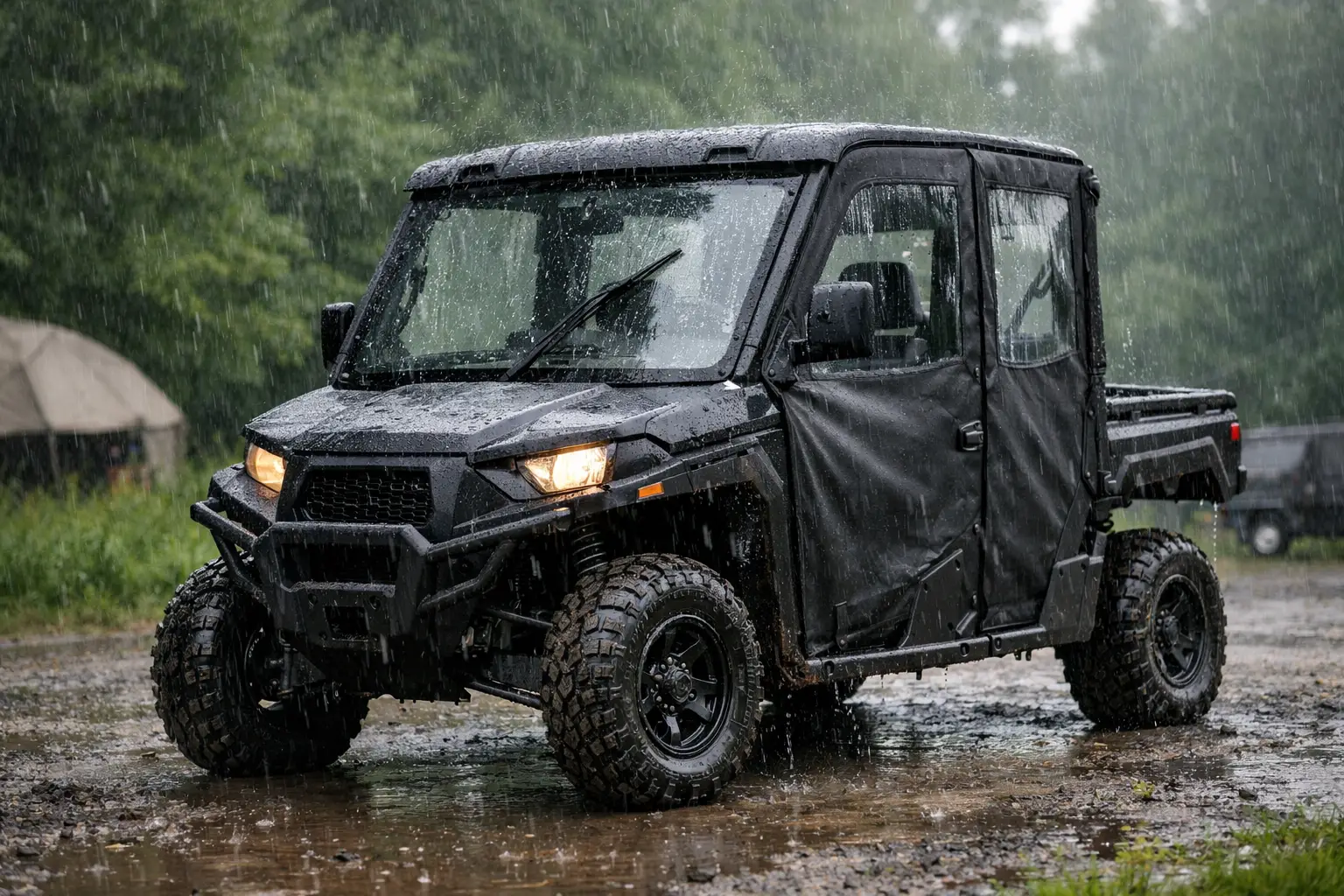
A light shower is one thing. Cold rain blowing through the cab at trail speed is another. If you are shopping for a utv cab enclosure for rain, the goal is not just covering the machine - it is keeping water out where it actually sneaks in, without creating a foggy, awkward cab you hate using.
That matters because rain protection on a side-by-side is never just one part. A roof helps, but it will not stop side spray. A windshield cuts direct rain, but water can still push in around the doors, lower cab, and rear panel. The best setup is a system built around your machine, your climate, and how you use the UTV.
What makes a good UTV cab enclosure for rain
The first thing to understand is that rain management and full weather sealing are not the same thing. Some enclosures are designed to knock down wind and most water. Others are built to create a much tighter cab when paired with hard doors, a windshield, and a roof. If you expect automotive-level sealing from a soft cab on a machine with open gaps, you will be disappointed.
A strong rain enclosure does three jobs well. It blocks direct precipitation, reduces side intrusion, and controls runoff so water does not collect and drip into the cab. Fitment is a big part of that. Model-specific panels, doors, and rear windows usually do a much better job than universal soft kits because they follow the cage shape, body lines, and mounting points of your exact machine.
Material choice also changes the experience. Vinyl and other soft-panel materials are common because they are flexible, lighter, and often easier to remove seasonally. Hard cab components usually provide a tighter fit and better long-term durability, but they cost more and add weight. There is no single right answer. A farm UTV that runs every day in bad weather may justify a more complete hard cab setup, while a trail machine used in shoulder seasons may do fine with a soft enclosure and a solid windshield.
Start with the cab layout, not just the enclosure
Many riders search for a utv cab enclosure for rain as if it is one standalone product. In practice, performance comes from how the pieces work together. The roof, windshield, doors, rear panel, and even lower door inserts all affect how dry the cab stays.
A roof is the starting point. Without one, rain drops into the cab from above and runoff can pour down onto the dash and seats. A good roof should extend coverage where it matters and fit tightly to the cage. Flimsy roofs or poor mounting can leave gaps that become drip lines once the weather turns.
The windshield matters just as much, but the style changes the trade-off. A full windshield offers the most frontal rain protection, especially when temperatures drop and road spray becomes an issue. A tip-out or vented design can help with airflow, but every opening is also a potential water path. In wet conditions, simplicity usually wins.
Rear panels are often overlooked. Without one, the low-pressure area behind the vehicle can pull mist, dust, and rain into the cab from the rear. That can make a front windshield feel less effective because the cab starts drawing moisture in from behind. A properly fitted rear window or back panel helps stabilize airflow and keeps the enclosure working as a unit.
Then come the doors. Full doors, half doors with uppers, and soft door kits all have a place. What matters most is how well they mate with the roof and windshield. Large gaps around latch areas, hinge points, or lower body lines are where water usually enters.
Soft cab vs hard cab for rainy conditions
Soft enclosures are popular for good reason. They are typically more affordable, easier to install, and easier to remove when the seasons change. For many riders, especially those who want weather protection without committing to a full permanent cab, they are the practical middle ground.
The downside is sealing. Soft materials can flap, wrinkle, and wear over time, especially on machines that live outside or see regular high-speed trail use. Zippers and snaps also become wear points. A soft enclosure can still work very well in rain, but expectations should be realistic. It usually reduces exposure dramatically rather than making the cab completely watertight.
Hard cab setups cost more, but they tend to fit tighter and hold up better in long-term utility use. If your UTV is used for ranch work, property maintenance, hunting access, or winter chores, a hard enclosure often makes more sense. Add a heater and the cab becomes much more usable in cold, wet weather.
There is also a hybrid route, and for many buyers it is the sweet spot. A hard roof, full windshield, rear panel, and quality soft doors can provide strong rain protection without the full cost of a hard cab conversion. This setup is common because it balances comfort, flexibility, and price.
Features that actually help in the rain
Not every enclosure feature improves wet-weather performance. Some are nice on paper but do not change much once the trail gets sloppy. The details that matter are the ones that reduce leaks, improve visibility, and keep the cab usable for long stretches.
Tight seals around the windshield and roof junction are worth paying for. Water often enters at the top edge and then runs down onto the dash or inside of the windshield. Well-designed channels, gaskets, and overlap points make a noticeable difference.
Clear panel quality matters too. Soft windows that haze easily or scratch quickly become a problem in low-light rain, especially on wooded trails or work sites. Visibility is safety. If the enclosure material clouds up after a season, the lower upfront price stops looking like a bargain.
Door access is another practical factor. In bad weather, wrestling with poor zippers or awkward straps gets old fast. Better enclosures use hardware and attachment methods that are easier to operate with gloves and less likely to fail when wet and muddy.
If you ride in cold rain, think about airflow and fogging. A fully closed cab can trap moisture from breathing, wet gear, and temperature changes. A little controlled ventilation helps, but it has to be designed well. Too much venting and you invite rain back in. Too little and the windows fog when you need visibility most.
Fitment is where most buying mistakes happen
The biggest mistake is buying by appearance instead of fitment. A rain enclosure that looks right in photos can still leave major gaps if it is not built for your exact make, model, and cage configuration. That is especially true when machines have different cab profiles across model years or trim packages.
Accessories already on the vehicle can affect compatibility too. Certain roofs, mirrors, windshields, light bars, and door kits may interfere with how an enclosure mounts or seals. Before buying, check how the enclosure is designed to work with existing cab components. A premium part that does not play well with your other accessories can create more water issues than it solves.
This is where shopping with a fitment-focused UTV retailer helps. Side By Side Sports, for example, organizes products by manufacturer and model, which makes it easier to narrow in on enclosure options built for your machine instead of sorting through generic listings that leave too many questions unanswered.
Choosing the right setup for how you ride
If your UTV sees weekend trail riding and occasional wet-weather use, you may not need a full sealed cab. A roof, full windshield, rear panel, and soft doors can cover a lot of ground. It keeps the machine more open when the weather is good, and it still gives real protection when rain moves in.
If you use your side-by-side for work, hunting, or year-round property use, it usually pays to build a more complete weather package. Rain rarely shows up alone. It often comes with cold, mud, and limited visibility. In that situation, tighter doors, more durable panels, and better sealing are worth the investment.
If you ride in warm climates with frequent storms, removable or modular components make more sense than a permanent full cab. You want protection when the sky opens up, but you may not want to trap heat the rest of the time. That is one of those cases where the best answer depends less on the machine and more on the season.
Don’t judge rain protection by one ride
Even a good enclosure may need small adjustments after the first few uses. Straps settle, seals compress, and mounting points may need to be retightened. A little water in one corner does not always mean the product failed. Sometimes it means the cab needs minor tuning after installation.
It is also worth remembering that speed changes everything. What stays mostly dry on a slow wooded trail may let in spray on open stretches or road transfers. The more exposure and wind pressure you create, the more every seam and gap gets tested.
A good utv cab enclosure for rain should make your machine more useful, not just more enclosed. If it fits your model correctly, works with the rest of your cab components, and matches how you actually ride, you will spend less time bracing for the next storm and more time getting where you need to go.