
Best Polaris Ranger Accessories That Matter
Posted by Drew Cummings on Jun 10th 2026
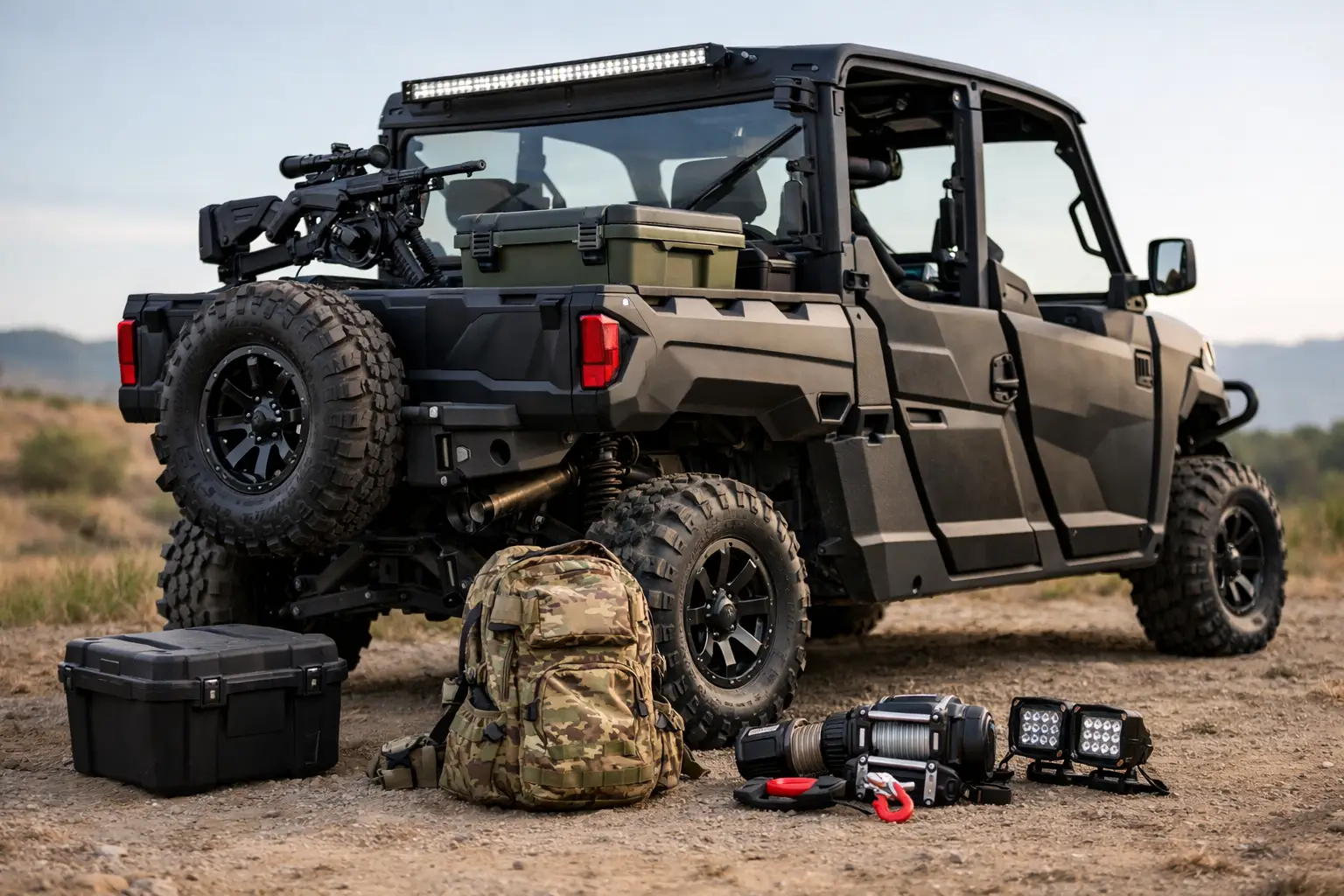
A stock Ranger can do a lot, but most owners figure out its limits pretty quickly. The right Polaris Ranger accessories turn a good machine into one that fits your property, your trail conditions, and the kind of work or riding you actually do.
That is where a lot of buyers get tripped up. They know they need better protection, more storage, or a more usable cab, but the real question is which upgrades make the biggest difference first. The answer depends on whether your Ranger spends more time in mud, on a ranch, in the woods during hunting season, or pushing through winter chores.
How to choose Polaris Ranger accessories
The smartest way to shop is by use case, not by looks. A ranch machine, a trail rig, and a hunting setup may all start with the same platform, but they should not be built the same way.
If your Ranger is a daily work vehicle, start with accessories that protect the machine and reduce downtime. A windshield, roof, skid plate, front bumper, and better storage usually pay off faster than cosmetic add-ons. If you ride for recreation, suspension, lighting, and tire upgrades may move higher on the list. If you use your Ranger year-round, cab comfort and cold-weather equipment stop being optional.
Fitment matters just as much as function. Polaris Ranger generations vary in cab shape, bed design, mounting points, and front-end layout. A part that fits one XP 1000 may not fit a Crew model or an older mid-size Ranger. Buying model-specific parts saves time and avoids the usual headaches of universal hardware, extra drilling, and poor alignment.
Protection upgrades that prevent expensive damage
For most riders, protection is the first serious category to address. It is not flashy, but it usually delivers the best long-term value.
A quality windshield changes the machine immediately. In cold weather it blocks wind and keeps the cab more usable. In dusty conditions it can reduce fatigue, especially on longer rides. The trade-off is that windshield style matters. A full windshield gives the most coverage, but airflow can become a factor in warmer months. A half windshield gives better ventilation, while flip-up and vented designs offer more flexibility if you ride in changing conditions.
Roofs are another practical upgrade that owners appreciate after the first hard rain, low-temperature morning, or long day under direct sun. A solid roof helps with weather protection and general comfort, especially if the Ranger is used for work where getting in and out all day is part of the routine.
Skid plates and bumpers matter even more if your terrain is rocky, rut-heavy, or full of hidden stumps. Factory underbody protection may be enough for light use, but aggressive trail riding and work on rough land can expose vulnerable components fast. A stronger skid plate helps protect the underside, while a front bumper can reduce damage from brush, trail obstacles, and minor impacts.
Doors and lower door inserts are worth considering if you want to keep mud, debris, and weather out of the cab. They also make the machine feel more finished and secure, especially for riders who spend long stretches behind the wheel.
Cab comfort upgrades for year-round use
A Ranger that gets used in every season needs more than basic shelter. Cab comfort accessories make a major difference in how often you actually want to use the machine.
Heaters are one of the most valuable additions for cold-weather riders. If you use your Ranger for winter chores, property access, hunting, or snow plowing, a heater can turn the cab from barely tolerable to genuinely functional. Pairing a heater with a windshield and roof gives the best result. Without that enclosure effect, heat escapes too quickly.
Wipers, rear panels, and soft or hard cab enclosures also deserve attention. In wet weather, visibility becomes a safety issue, not just a comfort issue. A full enclosure setup costs more than a single windshield, but for owners in northern climates or higher elevations, it often makes sense.
Seats, seat covers, and better storage inside the cab are smaller upgrades, but they improve day-to-day use. Hunters and landowners often want quick access to gear, tools, radios, and recovery straps without throwing everything loose in the cab. Organized storage solves that problem better than adding more cargo space alone.
Polaris Ranger accessories for work and utility
A lot of Rangers are bought for real jobs, not weekend-only trail rides. If that sounds like your machine, utility-focused accessories should move to the top of the list.
Bed storage systems, tool mounts, gun racks, and cargo organizers help keep the machine efficient. The goal is not to carry more random gear. It is to carry the right equipment in a way that stays secure over rough terrain and stays easy to reach when you need it.
Winches are one of the most useful work upgrades you can buy. They help with self-recovery, clearing obstacles, moving downed material, and handling jobs around property that would otherwise require a second machine. Winch choice depends on vehicle size, how heavily the Ranger is loaded, and whether you are using it mostly for recovery or also for utility tasks. Going too small can leave you short when conditions get ugly.
Plow systems are another category where fitment and intended use matter. A Ranger used for driveway maintenance or light commercial snow work needs a plow setup designed around blade width, mounting strength, and ease of use. This is not a category where generic solutions tend to hold up well.
Receiver hitches, tow accessories, and heavy-duty bumpers also make sense for owners who pull trailers, move equipment, or spend time in areas where recovery points need to be reliable.
Lighting, audio, and trail-focused upgrades
Not every accessory needs to solve a work problem. Some upgrades are about visibility, control, and getting more enjoyment out of the machine.
Lighting is one of the best examples. If you ride at dawn, after dark, or in wooded areas with limited visibility, stock lighting often leaves room for improvement. Light bars, pod lights, chase lights, and upgraded headlights can make trail navigation safer and reduce strain on longer rides. The key is to buy lighting that matches how you ride. More output is not automatically better if the beam pattern is wrong for your speed or terrain.
Suspension upgrades can also be worthwhile, especially if you carry extra weight, run rough trails, or feel the machine falls short in ride quality. Some owners need more clearance and control. Others just want a more stable ride with passengers or gear. Tires and wheels play into that equation too. Mud-focused tires, all-terrain setups, and hard-pack options each change how the Ranger behaves.
Audio systems are more personal. They are not essential for every owner, but they make sense if you spend long days in the machine or use it recreationally with family and friends. The main thing is to choose equipment built for off-road vibration, moisture, and dust rather than adapting something meant for a passenger car.
Where buyers waste money
The most common mistake is buying accessories out of order. Too many owners start with appearance upgrades before handling the basics that affect protection, comfort, and recovery.
Another mistake is buying universal parts to save money, then spending extra time and effort making them fit. That usually leads to compromised mounting, poor finish quality, or accessories that interfere with other add-ons later.
It also pays to think in systems. For example, a windshield works better when paired with a roof. A heater makes more sense with an enclosed cab. A winch is more useful when you also have solid mounting, proper wiring, and recovery points you can trust. Looking at the machine as a complete setup helps avoid redoing your build one piece at a time.
Building your Ranger in the right order
If you want the most practical approach, start with protection and cab essentials. Then move into recovery and storage. After that, focus on terrain-specific upgrades like tires, suspension, and lighting. Cosmetic pieces and convenience add-ons can come later.
For many owners, the first round looks something like this in practice: windshield, roof, skid plate, bumper, storage, and winch. That setup covers a lot of real-world needs without wasting budget. From there, the next step depends on whether your Ranger is aimed more at winter use, hunting, work around property, or all-day trail riding.
That is also why specialized retailers matter. A broad catalog is useful only if it is organized around your exact Ranger model and the way you plan to use it. Side By Side Sports stands out there because the shopping process is built around fitment, category, and real use case, which is exactly how most Ranger owners make upgrade decisions.
The best build is not the one with the most parts. It is the one that makes your Ranger easier to use, harder to damage, and better suited to the ground you cover every time you turn the key.