
Best Can Am Defender Accessories to Add
Posted by Drew Cummings on Jun 22nd 2026
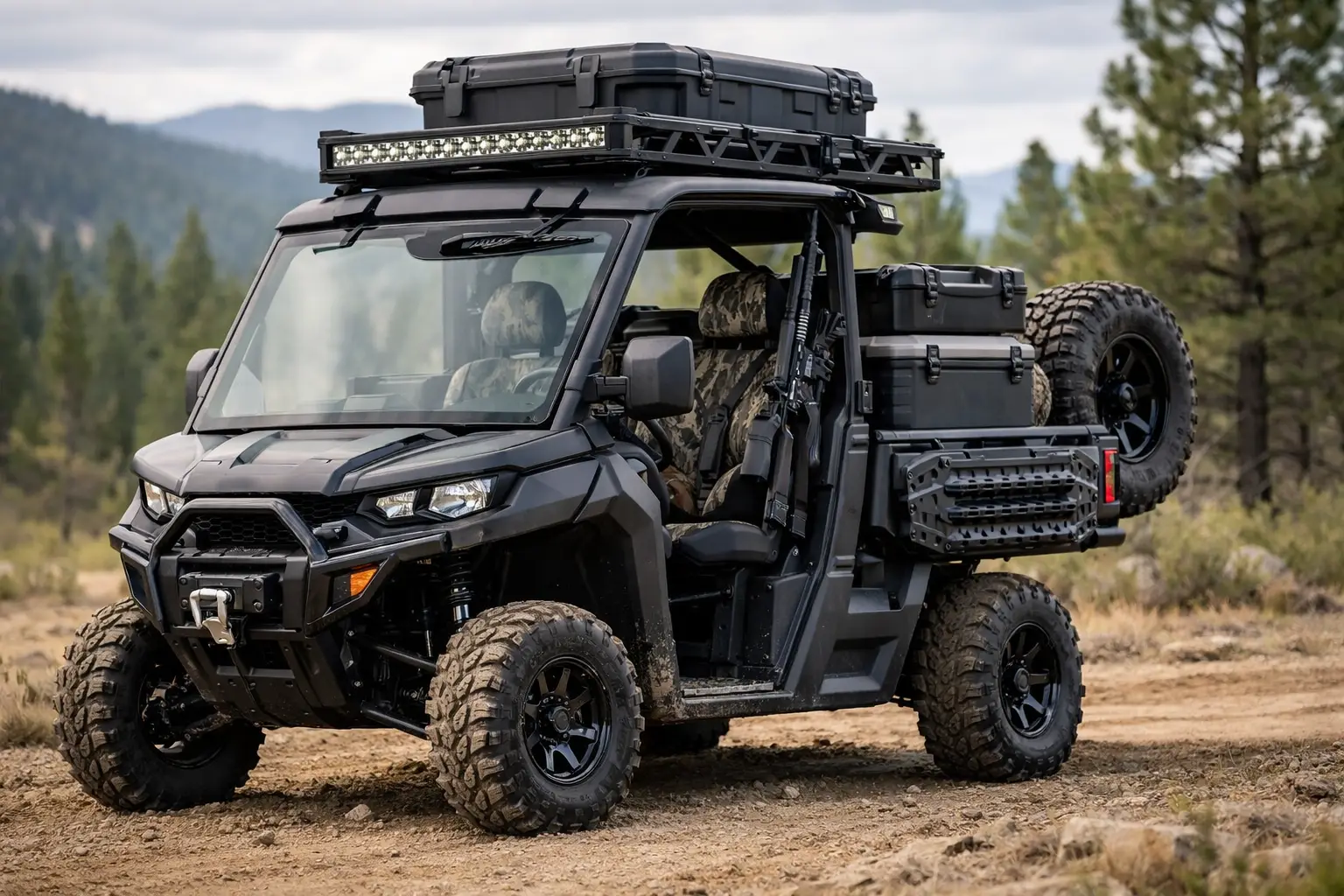
A bare-bones Defender usually tells the same story: the machine is solid, but the setup is not finished. If you use your UTV for chores, hunting, trail miles, or year-round work, the right can am defender accessories change how the machine performs day to day. The key is not buying more parts. It is choosing the upgrades that match your terrain, weather, and workload.
How to choose Can Am Defender accessories
Most Defender owners do not need a random mix of bolt-ons. They need a machine that solves a few specific problems well. That could mean keeping dust out of the cab, carrying tools without rattling them loose, adding recovery gear for muddy property, or making winter rides bearable.
Start with how the vehicle is actually used. A ranch rig and a weekend trail Defender might share the same platform, but they should not be built the same way. Utility-focused owners usually get the most value from protection, storage, and cab comfort. Recreation-focused riders often prioritize visibility, recovery, lighting, and suspension support. If you use your Defender for both, the best approach is to cover the basics first and add specialized upgrades after that.
Fitment matters more than most buyers think. The Defender lineup includes multiple configurations, bed lengths, cab setups, and trim differences. Accessories that are built specifically for your model save time during installation and usually perform better over the long haul. Generic parts can look cheaper upfront, but poor fit, rattling panels, and extra fabrication work tend to erase that value quickly.
The core upgrades most Defender owners start with
For most machines, the first round of upgrades falls into a few practical categories. These are the parts that improve protection, comfort, and capability without changing the character of the vehicle.
Windshields, roofs, and doors
Cab protection is usually the first thing owners notice they need. A windshield cuts wind fatigue, keeps mud off the dash area, and makes cold-weather riding more manageable. The right choice depends on where and when you ride.
A full windshield offers the most protection from weather and debris, but it can change airflow inside the cab. In warm climates, some riders prefer a half windshield or a vented design to reduce dust swirl and trapped heat. If your Defender sees all four seasons, a full windshield paired with a roof is hard to beat.
Roofs are simple upgrades with real payoff. They help with sun exposure, rain, falling branches, and general comfort on long workdays. Add doors to that setup and the cab becomes much more usable in rough weather. Soft doors can be a good lower-cost option for seasonal use, while hard doors make more sense for riders who want a more complete enclosure and a tighter seal.
Winches and bumpers
If your Defender ever leaves dry ground, a winch is less of a luxury and more of an insurance policy. Mud holes, snow, downed limbs, and uneven terrain all have a way of showing up when it is least convenient. A properly sized winch gives you recovery capability without depending on another machine being nearby.
Front bumpers are a smart companion upgrade. They add protection where impacts happen first and often create a better mounting platform for a winch. Some are built mainly for brush protection, while others are heavier-duty options designed for harder work and rougher conditions. The trade-off is weight. More steel up front can add durability, but it may also affect ride feel if you stack multiple heavy accessories on the same machine.
Skid plates and underbody protection
Factory protection is rarely enough if you ride rocky trails, cut through timber, or work on uneven property. Skid plates protect vulnerable areas underneath the machine from stumps, rocks, and hidden debris. That protection becomes especially important on a UTV that carries loads, because added weight can compress the suspension and reduce ground clearance when you need it most.
Not every owner needs full underbody coverage, but most benefit from more than stock. If your Defender sees rough terrain regularly, this is one of those upgrades that pays for itself by preventing expensive damage you may not even notice until later.
Can Am Defender accessories for work and cargo control
A Defender earns its keep when it can carry gear without turning the cab and bed into a mess. Storage upgrades are easy to overlook because they are less flashy than lighting or wheels, but they often make the biggest difference in everyday use.
Bed storage, tool mounts, and cab organization
If you carry chains, fencing tools, feed, recovery gear, or hunting equipment, organized storage matters. Bed boxes, cargo bags, tool mounts, and overhead storage help keep equipment secure and easy to reach. That means less shifting during rides and less wasted time digging through loose gear.
Cab organizers are especially useful on machines that split time between recreation and utility work. They keep small items like gloves, radios, maps, and hand tools where you can reach them fast. For crews and landowners who are in and out of the machine all day, that convenience adds up.
Racks and towing support
Some owners need more than a dump bed. Headache racks, hitch accessories, and cargo support systems help the Defender handle specialized jobs more effectively. If your machine tows trailers, hauls sprayers, or carries awkward loads, these accessories can improve stability and reduce wear on the vehicle.
That said, more carrying capacity on paper does not mean you should overload the machine. Accessories should help your Defender work smarter, not push it beyond its intended limits.
Comfort upgrades that make the Defender easier to use year-round
A lot of UTV builds focus on extreme capability and forget about the hours spent behind the wheel. If you ride in heat, rain, dust, or freezing temperatures, comfort upgrades can make the machine more useful across more months of the year.
Heaters, rear panels, and full cab setups
A heater becomes a serious quality-of-life upgrade once temperatures drop. Paired with a windshield and rear panel, it turns the Defender into a much more usable machine for winter feeding, plowing, or cold trail rides. Without a rear panel, warm air tends to escape and dust can still get pulled into the cab, so the whole setup works better when the parts complement each other.
This is one of the best examples of why accessory planning matters. Buying one component at a time is fine, but cab comfort upgrades tend to work best as a system.
Audio and interior convenience
Not every Defender needs an audio roof or speaker setup, but plenty of owners want one. For trail riders and recreational users, audio systems add enjoyment without changing the machine's utility. Just be realistic about priorities. If your machine still lacks a windshield, proper lighting, or recovery gear, those upgrades usually deserve the budget first.
Smaller interior upgrades can also improve the experience more than expected. Better mirrors, added switch panels, and phone or radio mounts help make the cab cleaner and easier to use.
Lighting, tires, and suspension for tougher terrain
Some can am defender accessories are less about convenience and more about expanding where the machine can go safely and confidently.
LED lighting and visibility
Factory lighting is often enough for basic driving, but not always enough for property work at dawn, hunting access before daylight, or late returns from the trail. LED light bars, pod lights, and upgraded work lights improve visibility forward, to the sides, and around the bed area.
The best setup depends on use. Trail riders often want distance and peripheral coverage. Work-focused owners may get more value from targeted flood lighting around the vehicle. Too much light in the wrong place can create glare, so placement matters as much as output.
Tires, wheels, and suspension support
Tires are one of the most noticeable changes you can make to a Defender. They affect traction, ride comfort, steering feel, and ground clearance. Mud tires are great in soft conditions but can be noisy and rough on mixed surfaces. All-terrain tires are usually a better fit for owners who split time between trails, gravel, and job sites.
Suspension upgrades make sense when the stock setup no longer matches the way the vehicle is used. If you carry heavier loads, added spring support or shock upgrades can improve control and reduce bottoming out. For aggressive trail use, suspension improvements can help with ride quality and confidence. But this is another area where more is not always better. The right setup depends on weight, terrain, and speed.
Build in stages, not all at once
The smartest Defender builds usually happen in phases. Start with the accessories that solve the biggest daily problems first. For one owner, that is a windshield, roof, and rear panel. For another, it is a winch, bumper, and skid plates. Once the core needs are covered, it is easier to add comfort, storage, or terrain-specific upgrades without wasting money.
This is also where a fitment-focused retailer earns its place. When accessories are organized by model, category, and use case, it is much easier to build a package that actually works together. Side By Side Sports has built its catalog around that kind of shopping process, which matters when you want the right part without second-guessing compatibility.
The best Defender setup is not the one with the longest parts list. It is the one that makes your machine more capable every time you turn the key.