
UTV Accessory Buying Guide for Smart Upgrades
Posted by Drew Cummings on Jun 30th 2026
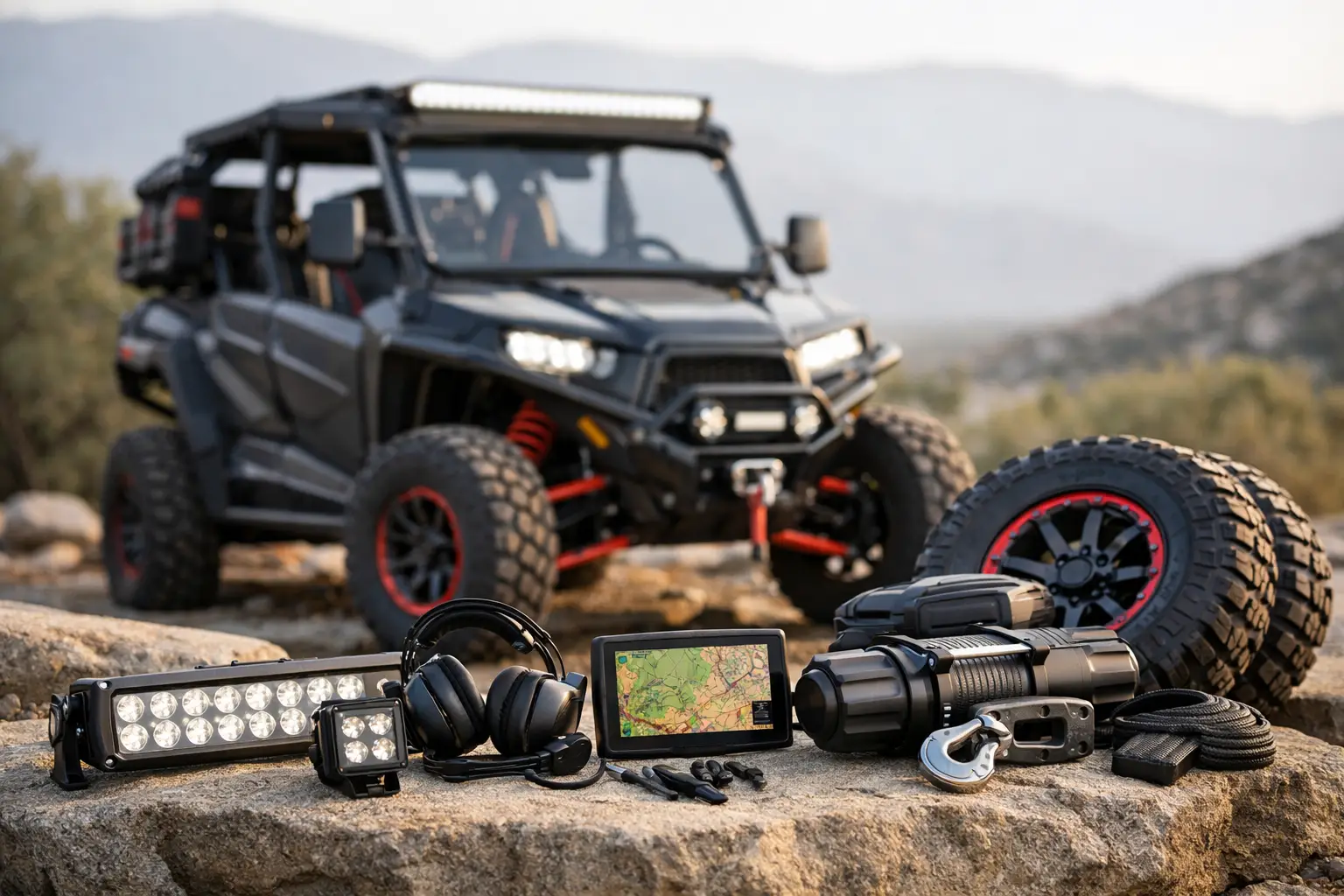
A good UTV accessory buying guide starts where most upgrade mistakes happen - buying parts before getting clear on how the machine is actually used. A trail rig, a hunting setup, a ranch workhorse, and a snow-plow machine can all be the same model on paper, but they need very different accessories in the real world. If you want upgrades that pay off, start with the job your UTV needs to do most often.
That sounds simple, but it saves money fast. A lot of owners build backward. They buy lights because they look good, wheels because they change the stance, or a stereo because it is fun, then realize they still do not have the windshield, storage, winch, or skid protection that would have made the machine more useful every weekend. The right buying approach is less about chasing parts and more about building a setup that matches terrain, season, and workload.
How to use this UTV accessory buying guide
Think in systems, not single parts. Most worthwhile upgrades fall into a few groups: protection, comfort, recovery, cargo, and performance. Once you know which group matters most for your riding, the right product categories become easier to narrow down.
Fitment should be your first filter every time. UTV accessories are not one-size-fits-all, and even within the same brand, trim levels, cab configurations, and model years can change mounting points, clearances, and compatibility. Buying by make, model, and year is the quickest way to avoid returns, wasted install time, and parts that almost fit.
After fitment, look at use case. If your machine sees rocky trails, skid plates, bumpers, and suspension matter more than cab comfort. If you ride in cold weather, a roof, windshield, doors, and heater move to the top of the list. If your machine works for hauling feed, checking fence, or carrying tools, storage and bed organization may be more valuable than cosmetic add-ons.
Start with protection before convenience
Protection upgrades usually deliver the best return because they help prevent damage that is expensive, annoying, or trip-ending. That starts underneath the machine. Skid plates are easy to overlook until the first hard hit to the underbody. If you ride rocky trails, rutted forest roads, or uneven farm ground, underbody protection is not a luxury item.
The same logic applies to bumpers and rock sliders. A front bumper can protect the nose during brush contact, minor impacts, and recovery situations. Rear protection matters too, especially for machines used around gates, trailers, or wooded terrain. The trade-off is weight. Some heavy-duty armor adds real protection but can affect handling and suspension feel, so match the level of protection to the abuse your machine actually sees.
Windshields also belong in this conversation. Riders often think of them as comfort accessories, but they are also protection from dust, branches, mud, rain, and cold air. The right windshield depends on where and when you ride. A full windshield improves weather coverage, while a half windshield can improve airflow in warmer conditions. A flip or vented design gives you more flexibility, but it usually costs more.
Build cab comfort around your climate
A machine that is miserable to ride in bad weather does not get used as much as it should. That is why cab accessories are often the smartest upgrades for owners who ride year-round. Roofs, windshields, rear panels, doors, and heaters can turn a seasonal machine into something practical in cold, wet, or unpredictable conditions.
This is where buying based on your region matters. In hot and dusty climates, airflow can matter as much as coverage. A full hard cab sounds great until the interior gets stuffy in summer. In colder regions, though, a more enclosed setup can make late-season hunting, winter chores, or early morning trail rides far more comfortable.
Material choice matters too. Hard doors and hard roofs usually offer better durability and a more finished feel. Soft doors and flexible enclosures can cost less and work well for seasonal use, but they may not hold up as well under heavy brush, frequent use, or long-term exposure. There is no universal best option - just the right level of cab setup for your weather and how often you ride.
Recovery gear is not optional if you ride off the beaten path
If your routes include mud, snow, steep terrain, or remote trails, recovery equipment belongs near the top of your list. A winch is one of the few accessories that can save a day instead of just making the ride more comfortable. For work use, it can also be a practical tool for moving logs, freeing stuck equipment, or managing property tasks.
Do not shop for a winch on capacity alone. Mount compatibility, wiring quality, switch location, and line type all matter. A machine used for occasional trail recovery may do fine with a straightforward setup, while a heavier rig with oversized tires, plow use, or deep mud exposure may need a more serious winch package.
Recovery gear also works better as a complete plan. A winch without the right mount, fairlead, and supporting accessories is only part of the solution. If you travel far from help, think beyond the headline product and build a setup that is ready when conditions go sideways.
Storage and cargo upgrades should match your work or ride style
Cargo needs look very different from one owner to the next. A ranch UTV might need bed storage, tool holders, and organized cargo space for daily tasks. A hunting setup may need secure gear storage, gun or bow transport solutions, and a layout that keeps equipment quiet and accessible. Trail riders may care more about cooler space, small-item storage, and secure places for recovery tools.
This is where generic storage solutions often disappoint. A bag or box that fits somewhere is not the same as a storage system designed for your machine. Model-specific racks, bed boxes, and cab storage options make better use of space and are less likely to rattle, shift, or interfere with seats and controls.
Think about access as much as capacity. The biggest cargo box is not always the best if it slows down your routine every time you need tools, straps, or gear. Good storage should make the machine easier to use, not harder to pack.
Tires, suspension, and clearance change how the machine works
Performance upgrades can transform a UTV, but they also create the most buying mistakes because one change often affects another. Tires are the classic example. More aggressive tread can improve traction in mud, rocks, or loose terrain, but larger or heavier tires can change steering feel, reduce acceleration, and increase strain on suspension and driveline components.
Suspension upgrades can help balance that out. Better shocks, springs, lift kits, or control arm upgrades can improve ride quality, load handling, and ground clearance. But bigger is not always better. A lifted machine may look aggressive, yet too much lift can hurt stability for certain uses and require more supporting parts to keep geometry in check.
If your current setup already works reasonably well, identify the actual weakness before upgrading. Are you bottoming out with added cargo? Struggling for traction in wet ground? Getting beat up on washboard trails? The right suspension or tire choice depends on the problem you are trying to solve.
Electrical accessories need a realistic power plan
Lights, audio systems, heaters, sprayers, and other powered accessories can make a UTV far more capable, but electrical upgrades need some planning. Adding multiple accessories without considering battery capacity, charging output, switch placement, and wiring quality is a common way to create headaches later.
Auxiliary lighting is a good example. More light is useful for trail riding, work tasks, and low-visibility conditions, but beam pattern matters. Flood lighting helps with wide-area visibility, while spot lighting works better at distance. A mixed setup often makes more sense than simply mounting the brightest light bar that fits.
The same goes for audio and convenience accessories. If you ride long days and want music, communication, or added powered gear, think about how those components will share electrical load. A clean, organized install is worth more than a pile of accessories that work great for a month and then start causing problems.
Buying fitment-specific parts saves time and money
The fastest way to shop smarter is to stay focused on make, model, and year from the start. That sounds obvious, but it is the difference between buying with confidence and gambling on universal parts. Fitment-specific accessories tend to install more cleanly, function better, and reduce the odds of clearance issues or weak mounting.
That is especially true for windshields, roofs, doors, bumpers, skid plates, plows, and storage systems. These are not accessories where close enough is good enough. Side By Side Sports built its catalog around that reality because serious UTV owners do not want to waste time sorting through generic options that may or may not work.
Before you buy, check what the accessory may affect next. A roof may change how a light bar mounts. Larger tires may call for suspension changes. A full windshield may work best with a rear panel to control dust swirl. Good upgrade planning happens one step ahead.
Set your budget by priority, not by category count
A better machine does not come from buying the most accessories. It comes from buying the right ones in the right order. If you have a limited budget, spend on the upgrades that solve your biggest frustration first. For one owner that is a windshield and roof. For another it is a winch and skid plates. For someone else it is storage and better tires.
Avoid splitting your budget across too many low-impact accessories. One or two high-value upgrades that improve protection, comfort, or capability will usually do more than five smaller purchases that look good on a product page but change very little on the trail or at work.
The best setup is rarely the most expensive one. It is the one built around how you actually use your UTV, with parts that fit right, hold up, and make the machine better every time you turn the key.