
UTV Seats: How to Choose the Right Upgrade
Posted by Drew Cummings on Nov 11th 2026
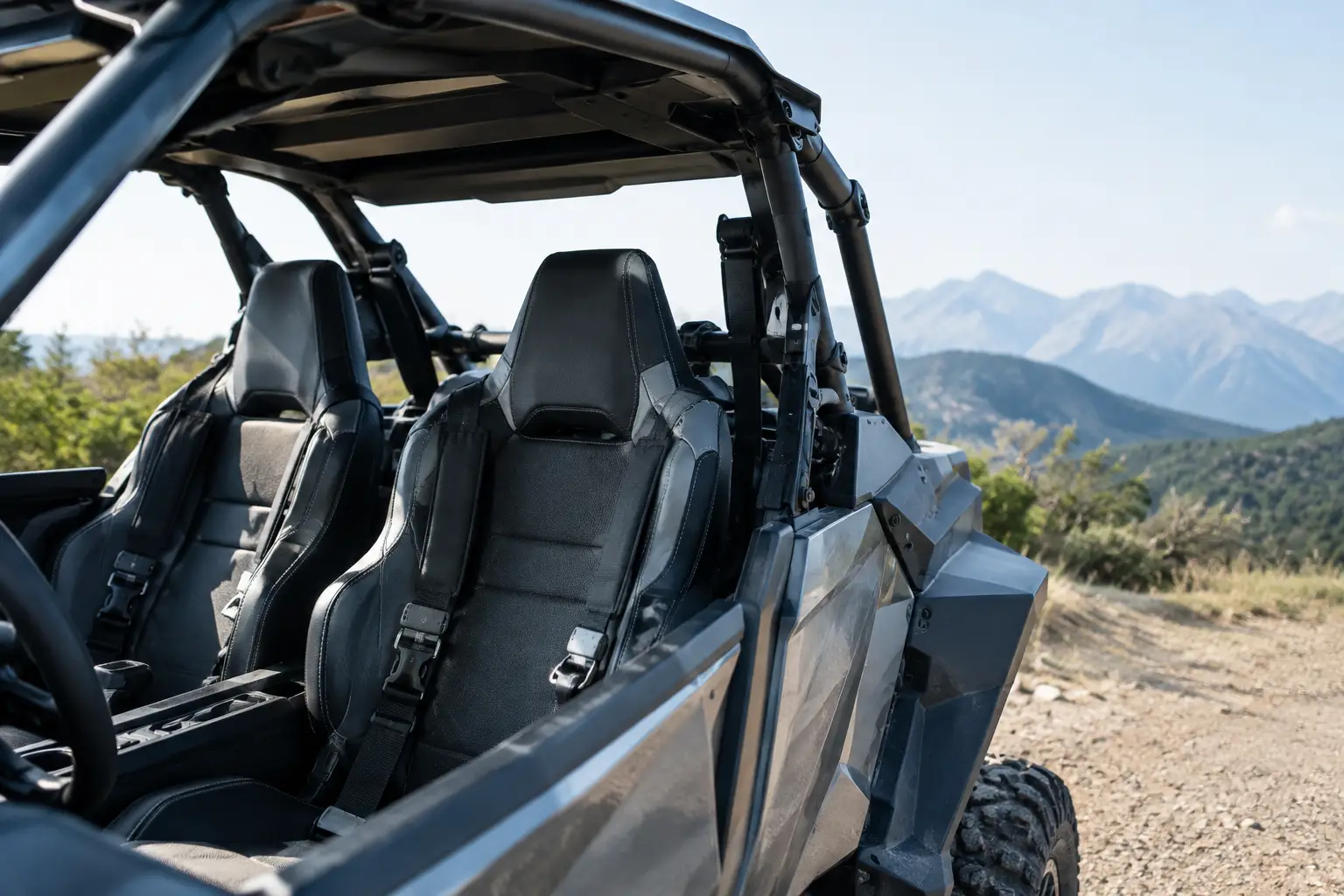
A long day in a side-by-side exposes every weak point in a factory cabin. When the seat foam bottoms out, the backrest leaves you slouching, or the vinyl stays soaked after a storm, the ride gets harder than it needs to be. The right UTV seats can improve comfort, control, passenger confidence, and the amount of time you are willing to spend behind the wheel.
A seat upgrade is not just a cosmetic change. For trail riders, it can mean better bolstering when the terrain gets rough. For hunters, ranch owners, and land managers, it can mean less fatigue during repeated stops, long fence-line runs, or all-day property work. The key is choosing a setup that fits your machine, your cab configuration, and how you actually use it.
Start With UTV Seat Fitment
Fitment comes before material, color, or style. Side-by-side seat pans, mounting points, belt openings, cab dimensions, and latch systems vary by manufacturer and model. A seat built for a Polaris RZR may not mount correctly in a Polaris Ranger, even when both vehicles share a similar model year. The same is true across Can-Am, Yamaha, Kawasaki, and Honda platforms.
Check the exact make, model, trim, and year before ordering. If your UTV has an aftermarket cage, doors, harness bar, or enclosed cab, account for those parts as well. A high-back seat may interfere with a rear cab panel or limit the adjustment range. Wider bucket seats can make a tight two-seat cockpit feel even tighter, particularly when riders wear bulky winter layers.
Also confirm what the product includes. Some replacement UTV seats use the factory base and sliders. Others include a seat base, mounting brackets, or adapter plates. A seat that looks like a direct replacement may still require hardware from your original seat. Knowing that before installation saves time and prevents a half-finished machine in the garage.
Choose Support for the Way You Ride
There is no single best seat for every side-by-side. A high-performance trail machine and a utility UTV ask different things from the driver and passenger.
Bucket Seats for Aggressive Trail Riding
Bucket-style seats use side bolsters to help hold the rider in place through ruts, off-camber trails, hard braking, and quicker cornering. They are a practical choice for sport UTV owners who want a more planted feel than a flat factory seat provides. Better containment can also reduce the instinct to brace against the steering wheel or door opening on rough terrain.
The trade-off is entry and exit. Deep bolsters feel excellent on a fast trail but can be less convenient when you are climbing in and out all day. They can also feel restrictive for larger riders or anyone wearing a heavy coat, chest protector, or tool belt. Measure the usable cockpit width and compare it with the seat dimensions instead of assuming a universal bucket will work.
Bench and Utility-Oriented Seating
For work-focused machines, a factory-style bench or replacement seat cushion is often the smarter upgrade. These seats make it easier to shift position, get in and out frequently, and carry tools or a third passenger where the vehicle is designed to do so. They also preserve the familiar layout of a Ranger, Defender, Mule, Pioneer, or similar utility platform.
Focus on foam density and cover durability. A firmer foam can feel less plush in a showroom, but it often offers better support after several hours of riding. If the machine sees ranch work, hunting camps, muddy boots, or wet gear, easy-clean vinyl and a well-sealed cover matter more than flashy stitching.
Suspension Seats for Rough Ground
Suspension seats use an internal suspension system or webbing to absorb part of the vertical impact transmitted through the chassis. They are popular with riders who regularly cross washboard roads, desert terrain, rock fields, and uneven farm ground. Combined with a properly set suspension, they can noticeably reduce the pounding that reaches your lower back and hips.
They are not a cure for an overloaded vehicle, worn shocks, or poor driving habits. A suspension seat has limited travel, and it needs enough clearance around it to move as designed. Verify the total seat height, harness compatibility, and whether it changes your driving position. A taller rider may need a lower-profile model to maintain comfortable legroom and sight lines.
Materials That Hold Up in Real Use
Seat covers and upholstery take constant abuse from mud, water, UV exposure, sweat, dust, and repeated entry and exit. The best choice depends on where the machine lives and how often it is cleaned.
Marine-grade vinyl is common because it is water-resistant, easy to wipe down, and available in many colors and textures. It works well for recreational riders and utility machines that may get caught in rain. Quality matters, though. Thin vinyl can crack over time, especially in high-heat areas or on machines stored outdoors.
Fabric inserts can improve breathability in hot weather and reduce the sticky feeling that comes with vinyl on summer rides. They can be comfortable, but they also demand more care. Wet fabric holds moisture and mud longer, and fine dust can work its way into the weave. For a UTV that spends most of its time in dry trail conditions, fabric may be worthwhile. For muddy property work and hunting season, vinyl is usually easier to live with.
Look beyond the surface material. Strong stitching, reinforced wear panels, stable foam, and a properly tensioned cover determine whether a seat stays comfortable after repeated use. If you routinely pressure wash the interior, follow the seat manufacturer's cleaning guidance. High-pressure water directed at seams, foam openings, or heating elements can shorten the life of any seat.
Do Not Overlook Harness and Belt Compatibility
Changing seats can change how the factory seat belt fits across your body. That is not a minor detail. The lap belt should sit low across the hips, while the shoulder portion should cross the chest correctly without rubbing your neck or slipping off the shoulder.
If you run aftermarket harnesses, confirm the seat is designed for the harness style you use. Harness pass-through openings need to be positioned correctly for your torso height and harness bar location. A poorly aligned shoulder belt can create discomfort and reduce the restraint system's effectiveness in a rollover or hard impact.
Do not modify seat frames, belt mounts, or latch points to make incompatible parts fit. Seat and restraint mounting hardware carries real loads. Use components designed for your vehicle and follow the installation instructions closely. If a seat change affects the factory occupant-detection system or belt sensor on your model, address that before putting the machine back in service.
Comfort Features Worth Paying For
Heated UTV seats make a real difference for late-season hunting, snow plowing, winter trail rides, and early-morning work. They are most useful in machines with windshields, roofs, doors, or full cabs, where the heat stays around the occupants longer. On an open sport UTV, a heated seat still helps, but wind exposure will limit the overall effect.
Adjustable lumbar support is another feature that earns its keep on longer rides. It is especially helpful for drivers who spend hours moving between fields, checking livestock, or covering large trail systems. A removable cushion can work, but an integrated support system stays in position better on rough ground.
For couples and family riders, do not buy only for the driver's comfort. Passenger support matters just as much, particularly when the passenger has less opportunity to brace or anticipate terrain changes. Matching front seats also improves cockpit balance and gives both occupants the same level of containment and cushioning.
A Practical Pre-Buy Check
Before choosing replacement seats, take a few measurements and answer a few use-case questions. This small amount of prep prevents most fitment and comfort mistakes.
- Confirm your exact vehicle year, model, trim, and seating configuration.
- Measure cockpit width, seat-base dimensions, and available headroom.
- Identify whether you retain factory belts or use a compatible harness system.
- Decide whether your priority is trail containment, all-day support, weather resistance, or easier entry and exit.
- Check for interference from doors, cage components, rear panels, heaters, and cab enclosures.
If you are unsure about a particular setup, model-specific guidance is worth getting before ordering. Side By Side Sports can help narrow the field based on your machine and the kind of terrain or work it sees.
The best seat upgrade is the one you stop noticing halfway through the day. It keeps you planted when the trail gets rough, supports you when the work runs long, and fits your UTV well enough that every control, belt, and cab component still works exactly as it should.