
UTV Lift Kit Benefits: Clearance and Control
Posted by Drew Cummings on Nov 16th 2026
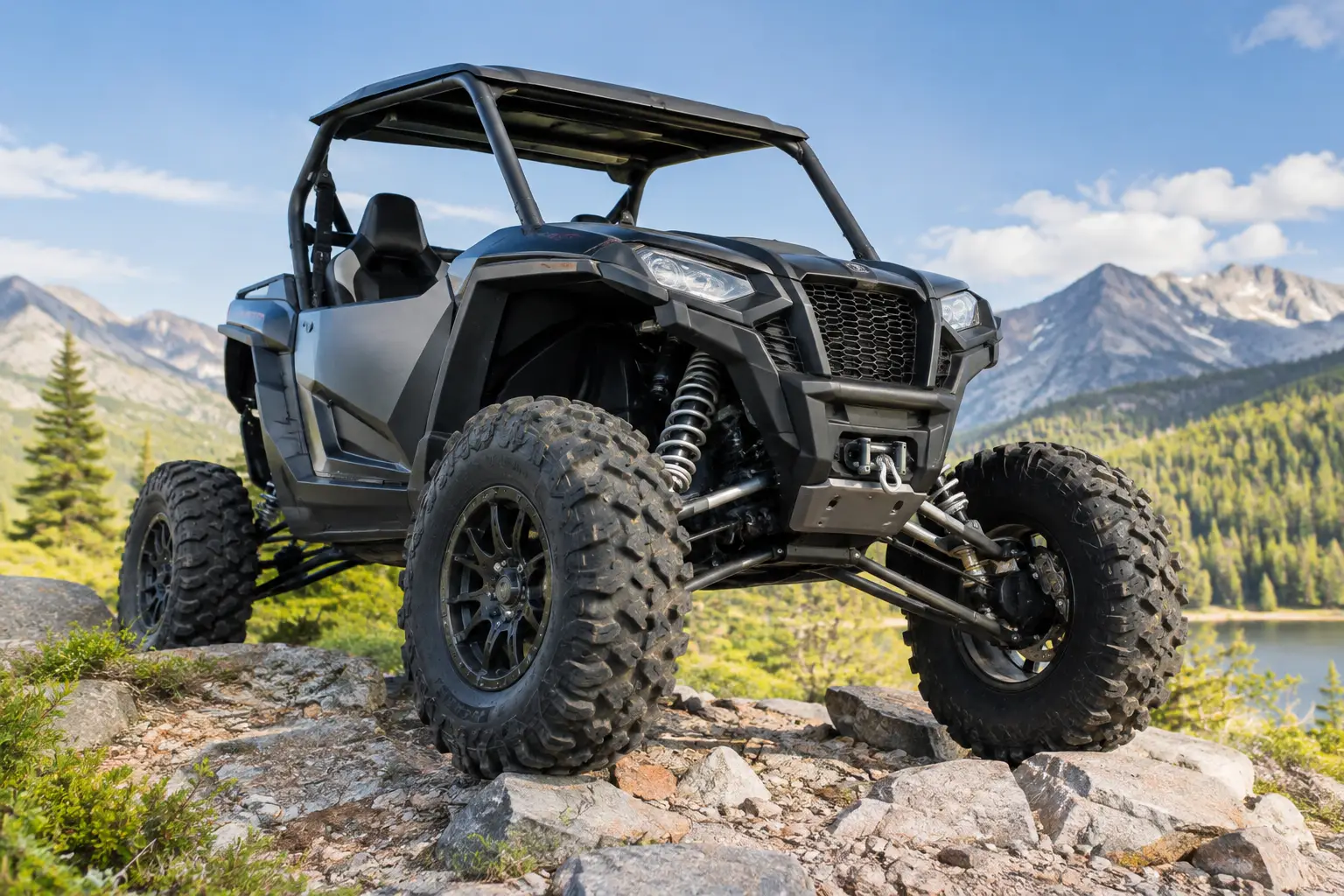
A factory-height UTV can feel capable right up until the trail turns into ruts, rock ledges, washouts, or deep mud. That is where UTV lift kit benefits become real rather than theoretical. A properly selected lift can create room under the chassis, open up tire options, and help your machine handle the terrain you actually ride or work in.
The key word is properly. A lift kit is not a universal fix for every UTV or every riding style. The right amount of lift, the suspension design, tire size, axle angles, and your vehicle's intended use all affect the result. For a ranch machine, a hunting rig, or a weekend trail UTV, the best setup may look very different.
The Main UTV Lift Kit Benefits
The most obvious benefit is additional ground clearance. Raising the chassis helps keep the skid plate, suspension components, and lower frame rails farther from rocks, roots, rutted trails, and uneven ground. A few extra inches can be the difference between driving through an obstacle and stopping to stack rocks, winch, or turn around.
Ground clearance also matters when your UTV is loaded. Cargo, passengers, a sprayer, hunting gear, a plow mount, or a bed full of feed can compress the suspension. A lift does not replace properly rated springs, but it can help maintain useful clearance when the machine is working instead of cruising empty.
A lift kit can also improve approach, breakover, and departure angles. Put simply, the machine can climb onto steeper obstacles and crest sharper terrain with less risk of dragging the center of the chassis. This is especially useful on rocky trails, wooded property, creek crossings, and deep two-track routes where the center hump is higher than the tire paths.
More Room for Larger Tires
Many riders install a lift because they want to run larger tires. Bigger tires can add ground clearance on their own, improve flotation in soft terrain, and provide a more aggressive tread pattern for mud, loose rock, snow, or hard-packed trails. The lift creates the fender and suspension clearance needed to reduce rubbing during turns and full suspension compression.
However, larger tires are not automatically better. They add rotating weight, which can affect acceleration, braking, steering effort, belt temperatures, and clutch performance. A UTV used for slow technical trails may benefit from a larger, durable tire, while a machine used for fast desert riding may need a tire-and-suspension package selected for stability and heat management. Always confirm the maximum tire size recommended for your specific make, model, and lift kit.
Better Performance in Mud and Ruts
In mud, clearance is about more than avoiding a scrape. A low chassis can drag through the center of a rut, turning the UTV into a sled while the tires lose forward bite. Extra height helps keep the frame from becoming the lowest point, allowing the tires to do more of the work.
A lift can be especially useful for riders running mud tires, which tend to be taller and more aggressive. It can also provide better room around the tire for mud evacuation. If packed mud cannot clear the wheel well, it can rub, limit steering, and place extra stress on components.
That said, a lift kit will not turn an improperly equipped UTV into a mud machine. Tire tread, tire pressure, winch capacity, recovery points, belt condition, and driver judgment still matter. More clearance helps, but it cannot overcome bottomless mud or poor recovery planning.
Choosing the Right Lift Height
Lift height should match the way you use the vehicle. A modest lift is often the practical choice for ranch work, hunting access, and general trail riding. It can improve clearance without making major changes to handling or putting unnecessary strain on CV joints and steering parts.
Taller lifts are commonly used for deep mud, large-tire builds, and highly modified trail machines. They can deliver serious clearance, but the trade-offs become more noticeable as height increases. The higher center of gravity can increase body roll in turns and make off-camber terrain less forgiving. Fast riders should take this seriously, especially with a fully loaded cab or cargo bed.
Suspension lifts generally offer a more refined approach because they raise the vehicle through revised suspension geometry or longer components. Bracket-style lifts can be an effective way to gain height and tire clearance on certain platforms, but quality matters. The components need to be engineered for the vehicle, built from suitable materials, and installed according to the manufacturer's instructions.
Avoid assuming that a universal kit will fit. Polaris, Can-Am, Yamaha, Kawasaki, and Honda UTVs have different suspension layouts, axle lengths, steering geometry, and model-year changes. A lift that fits one trim level may not work correctly on another. Model-specific fitment is worth the time because it helps prevent installation problems and expensive component damage later.
What a Lift Kit Changes Beyond Clearance
A lift changes suspension and steering geometry. Depending on the kit and vehicle, it may alter camber, toe, shock travel, and CV axle operating angles. Quality kits are designed to manage these changes, but installation accuracy remains critical.
After installing a lift, inspect the steering range, brake lines, wiring, axle boots, and tire clearance at full lock and through suspension travel. An alignment is often necessary. Incorrect toe settings can make a UTV wander, wear out tires quickly, and reduce steering confidence on the trail.
CV axles deserve particular attention. At greater angles, they can experience more wear, especially under heavy throttle in rough terrain. Riders who combine a tall lift with oversized tires, hard launches, and deep mud should expect more demand on axles, clutches, belts, and drivetrain components. Upgraded axles or clutch tuning may make sense for extreme builds, but they are not always needed for a moderate lift and sensible tire package.
Ride quality can change, too. Some setups feel firmer or transmit more feedback through the chassis. Others work well with upgraded shocks and springs to maintain control over rough ground. If your UTV frequently carries passengers, tools, or a full cargo bed, consider the entire suspension package instead of treating the lift as a standalone upgrade.
Installation and Setup Matter
A lift kit should be installed with the same care as any suspension component. Follow torque specifications, use the supplied hardware correctly, and recheck fasteners after the first few rides. Suspension hardware sees constant vibration, impacts, water, and dirt, so a quick inspection before a trip is time well spent.
If you are adding larger tires at the same time, check clearances with the wheels turned fully left and right, then check again with the suspension compressed. Do not rely on a quick visual inspection while the UTV is parked. Tire contact can show up only under articulation, when the machine is leaning, loaded, or moving through a rut.
For owners who want the right combination the first time, match the lift kit to the exact vehicle year, model, trim, and intended tire size. Side By Side Sports carries fitment-specific upgrade options so riders can shop by machine rather than gamble on generic parts.
Is a Lift Kit Worth It for Your UTV?
For a rider who regularly encounters rocks, ruts, mud, uneven property, or trails that demand larger tires, a lift kit can be a highly practical upgrade. The added clearance helps protect the underside of the machine and expands where it can travel with confidence. For utility owners, it can also make a loaded UTV more capable in rough sections of a farm, lease, or hunting property.
For mostly flat property, paved use, or high-speed riding where stability is the top priority, a lift may offer less value. In those cases, better tires, skid plates, springs, shocks, or recovery equipment may be the smarter first purchase.
Choose the lift that supports the way you ride, not the tallest one available. A well-matched, model-specific kit paired with the right tires will give your UTV more usable capability while keeping handling, reliability, and maintenance in check.