
What Size UTV Winch Needed for Your Rig?
Posted by Drew Cummings on Jun 18th 2026
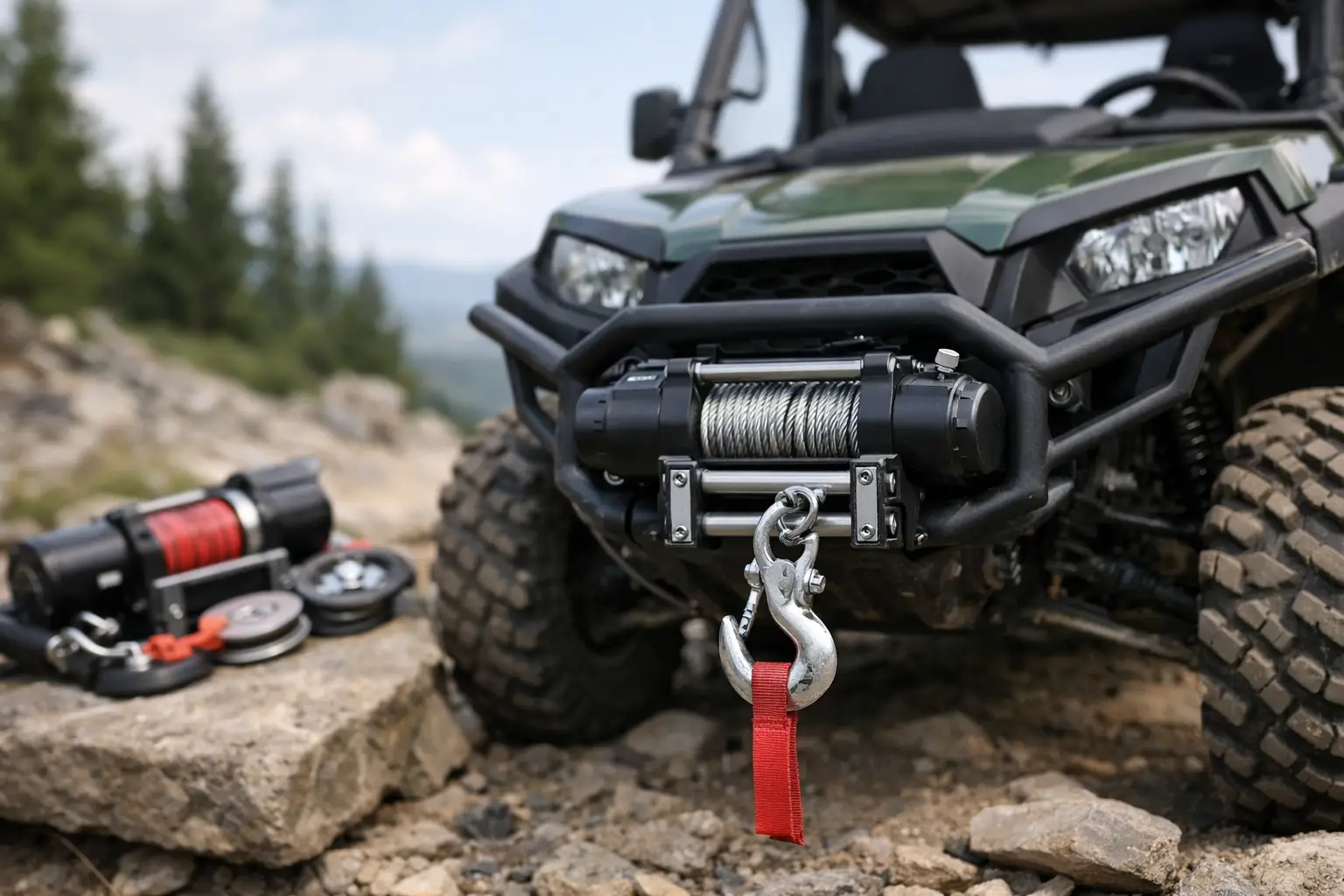
A winch that is too small will stall right when you need it most. A winch that is too big can add unnecessary weight, draw more power, and cost more than your machine really needs. If you are asking what size UTV winch needed for your rig, the right answer starts with your vehicle’s actual working weight, not just the number in the brochure.
For most UTV owners, a 3,500-pound to 4,500-pound winch is the sweet spot. That range covers a huge part of the market, from trail machines with basic accessories to heavier utility builds with roofs, windshields, larger tires, plows, cargo, and bumpers. But there is no single winch size that fits every Polaris, Can-Am, Yamaha, Kawasaki, or Honda side-by-side. The right capacity depends on how you use the machine and what kind of recovery you expect it to handle.
What size UTV winch needed? Start with loaded weight
The most reliable rule is simple: choose a winch rated for at least 1.5 times your UTV’s fully loaded weight. Fully loaded means the machine as it actually sits on the trail or at the jobsite, including accessories, fuel, tools, cargo, and whatever else normally stays on board.
That matters because a stock curb weight does not tell the full story. A side-by-side with a front bumper, windshield, roof, skid plate, larger wheels and tires, spare tire carrier, cooler, chainsaw, hunting gear, or spray rig can weigh a lot more than factory specs suggest. Add mud or snow resistance, and even a properly sized winch can be working hard.
Here is how that math looks in the real world. If your UTV weighs 1,800 pounds ready to ride, multiply that by 1.5 and you get 2,700 pounds. In theory, a 3,000-pound winch could work. In practice, most riders step up to 3,500 pounds for a better safety margin. If your machine weighs 2,300 pounds loaded, the 1.5x rule puts you at 3,450 pounds, which again points you toward a 3,500-pound or 4,000-pound unit.
For many modern side-by-sides, especially larger four-seat and utility-focused models, loaded weight pushes the recommendation higher. Once you add armor, cab accessories, and work equipment, a 4,500-pound winch often makes more sense than trying to get by with the minimum.
Why the 1.5x rule is only the starting point
Winch ratings are based on the first layer of rope on the drum under ideal conditions. Recovery in the field is almost never ideal. Deep mud, a steep incline, wet snow, rocks, or a machine that is high-centered all increase the force required.
That is why two UTVs with the same weight may need different winch capacities. A trail rider who mostly wants insurance for occasional recovery can often stay close to that 1.5x recommendation. A ranch owner pulling through ruts, a hunter in soft ground, or a rider who spends weekends in mud parks should give themselves more headroom.
Tire size also changes the equation. Larger, heavier tires add rotational resistance and can make a stuck machine harder to free. Aggressive mud tires help with traction, but when they sink, they also make recovery more demanding. If your build includes oversized tires and heavier wheels, sizing up is usually the safer call.
Common UTV winch sizes and where they fit
A 2,500-pound winch can work on smaller, lighter machines or very basic use, but it is rarely the best long-term choice for a full-size UTV. It may be enough for occasional light-duty pulls, yet it leaves little margin once accessories or difficult terrain enter the picture.
A 3,000-pound winch is often the entry point for compact or lighter side-by-sides. It can handle moderate self-recovery on machines that stay fairly close to stock. Still, it is near the lower limit for many current UTV platforms.
A 3,500-pound winch is one of the most common choices because it fits a broad range of recreational and utility machines. If you ride trails, do moderate work, and carry standard accessories, this size covers a lot of needs without going overboard.
A 4,000-pound to 4,500-pound winch is where many owners end up for heavier builds. This range is a strong fit for larger two-seat and four-seat machines, work-oriented setups, and UTVs with bumpers, windshields, roof systems, bigger tires, and cargo gear.
A 5,000-pound winch can make sense for especially heavy utility builds, snow plow setups, or riders who regularly deal with bad mud and difficult recoveries. At that point, though, the trade-offs matter more. Bigger winches add weight and can place more demand on your electrical system, so bigger is not automatically better.
Matching winch size to how you use your UTV
If your side-by-side is mainly a trail machine, you are probably planning for self-recovery, not commercial pulling. In that case, a 3,500-pound or 4,000-pound winch is often the practical middle ground. It gives you enough pull for ruts, slick climbs, and light extraction without adding unnecessary bulk.
If you use your UTV for hunting or overlanding, extra gear changes the picture. A cooler, tools, fuel, firearms cases, camping equipment, and storage accessories can add hundreds of pounds. For that type of setup, especially on larger platforms, 4,500 pounds is often a better target.
For ranch work and property maintenance, a winch sees harder service. You may be dragging through uneven ground, working around brush, pulling loose material, or dealing with a machine that gets stuck in soft pasture or washouts. Reliability matters more than shaving a few pounds off the front end, so sizing up is usually worth it.
For snow plowing, the winch is not just about recovery. It is part of your working setup. While plow lift duty does not always require huge pulling force, the machine itself is often carrying added front weight and operating in slippery conditions. A 4,000-pound or 4,500-pound winch is a common choice here because it supports both work and recovery needs.
Don’t ignore line speed, rope type, and electrical demand
Winch size is not only about rated pull. A heavier-capacity winch can pull more, but line speed may slow under load, and electrical draw can increase. If your battery and charging system are marginal, a larger winch may not perform the way you expect.
That is one reason the best winch is not always the biggest one that fits your bumper. You want a capacity that suits your machine, but you also want reliable operation. A correctly matched 4,000-pound winch on a well-supported electrical system is usually more useful than an oversized unit that taxes the vehicle every time you use it.
Rope choice matters too. Synthetic rope is popular on UTVs because it is lighter, easier to handle, and generally safer if it snaps under tension. Steel cable is durable and abrasion-resistant, but it adds weight and can be harder to manage in cold, muddy, or rough conditions. For most recreational and utility UTV owners, synthetic rope is the more user-friendly option.
A few sizing examples by vehicle type
A smaller recreational UTV with minimal accessories and normal trail use often does well with a 3,000-pound to 3,500-pound winch. A mid-size or full-size two-seat machine with a roof, windshield, upgraded tires, and recovery gear usually lands in the 3,500-pound to 4,500-pound range.
A larger four-seat side-by-side with armor, cargo, and family or group riding loads should usually be looking at 4,500 pounds. If the same machine also sees mud, hunting trails, or work use, that recommendation becomes even stronger.
A utility-focused UTV carrying tools, feed, fencing supplies, or plow equipment often benefits from 4,500 pounds or more, especially if the terrain is soft or uneven. The point is not to chase the biggest number. The point is to build in enough capacity that the winch can do real work without constantly operating at the edge.
The best answer for most buyers
If you want the simplest practical answer to what size UTV winch needed, start here: lighter and mostly stock machines can often use 3,500 pounds, while larger, accessorized, or harder-working UTVs are usually better served by 4,500 pounds. That covers the majority of real-world setups.
If you are between sizes, lean toward the one that matches how you actually use the machine, not how you wish you used it. A weekend trail rider does not need to buy for worst-case swamp recovery every time. On the other hand, if your UTV regularly sees mud, snow, steep terrain, plow duty, or heavy cargo, buying at the low end usually leads to regret.
At Side By Side Sports, the smartest winch choice is always the one that matches your machine, your accessories, and the kind of terrain you deal with most. Buy for the weight you run, the conditions you face, and the recovery margin you want when things stop going according to plan.