
UTV Cab Enclosure Guide for Real-World Riding
Posted by Drew Cummings on Jun 15th 2026
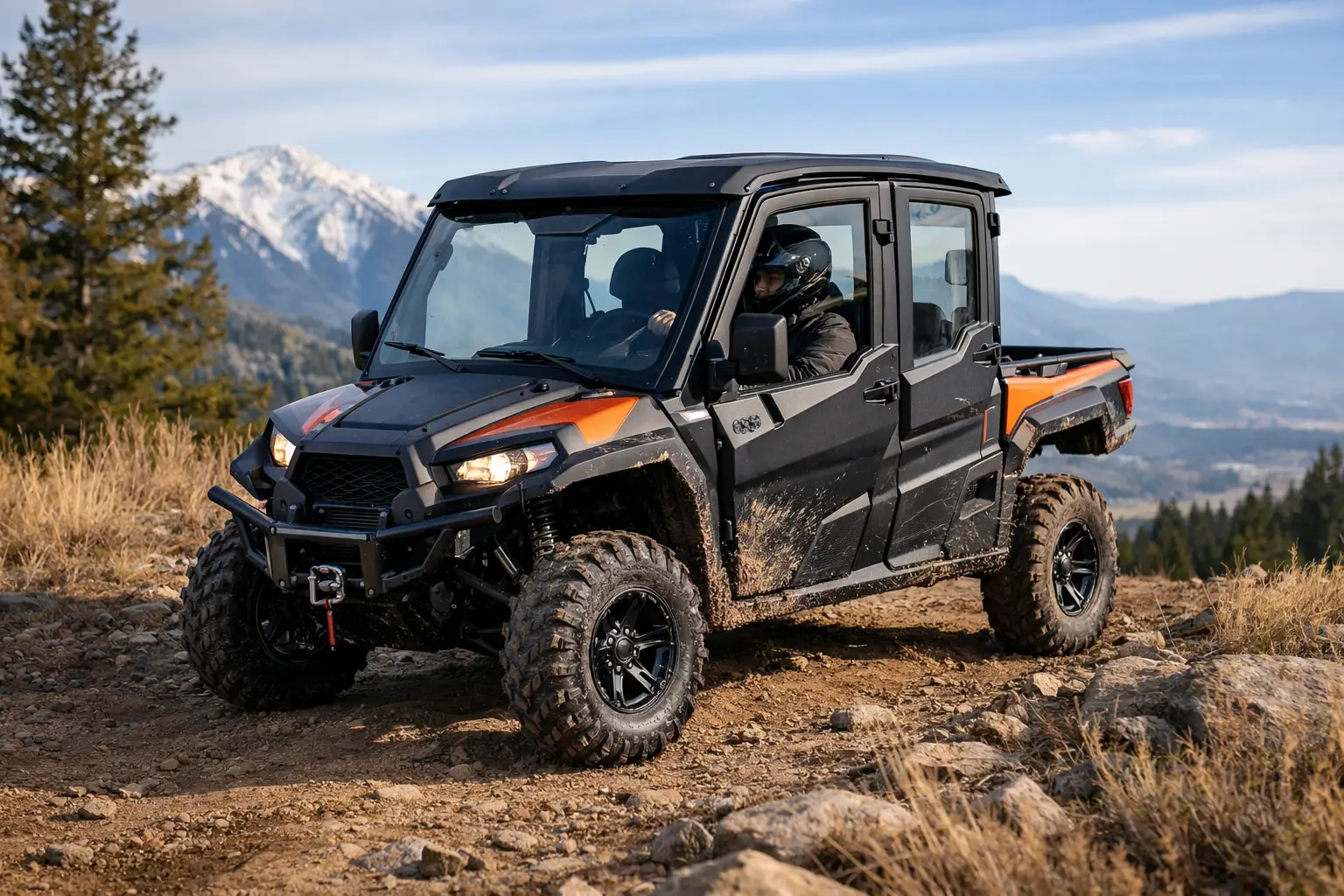
Cold air finds every gap in a side-by-side cab, and rain has a way of showing you exactly where your machine leaves you exposed. That is why a solid utv cab enclosure guide matters - not as a styling upgrade, but as a real comfort and utility decision that changes how often and how long you can ride.
A cab enclosure can turn a seasonal machine into something you use year-round. For hunters, ranch owners, trail riders, and anyone plowing snow or working property, the right setup cuts wind, blocks mud spray, and makes heaters more effective. The catch is that not every enclosure fits the same riding style, climate, or machine layout. Choosing the right one starts with understanding what you actually need your cab to do.
What a UTV cab enclosure actually changes
Most riders start shopping for an enclosure because of weather, but weather protection is only part of the value. A more enclosed cab reduces fatigue on long rides, keeps dust and debris out of the passenger area, and adds a layer of comfort that matters when you are using the machine for work instead of quick weekend loops.
If you run wooded trails, hunt in late season, or use your UTV around the property during colder months, less wind exposure makes a bigger difference than many riders expect. You spend less time bundled up, less time cleaning mud off the seats, and less time dealing with that constant blast through the cab opening.
There are trade-offs, though. A fully enclosed setup can reduce airflow in hot weather, change visibility depending on panel material, and add time to installation or seasonal removal. That is why the best choice is usually the one that matches your climate and how often the machine switches between work and recreation.
UTV cab enclosure guide: soft cab vs hard cab
The first major decision is whether you want a soft enclosure, a hard enclosure, or a mixed setup.
A soft cab enclosure usually uses heavy-duty fabric, vinyl windows, and frame or strap-based attachment points. This option tends to cost less, weighs less, and makes sense for riders who want seasonal protection without turning the machine into a permanent closed cab. If you ride hard in winter but open things up in spring and summer, soft doors and rear panels can be a practical fit.
The downside is durability over time. Good soft enclosures hold up well, but they are still more vulnerable to scratches, clouding, zipper wear, and flap movement than rigid panels. They also tend to feel less sealed in extreme weather.
A hard cab setup uses rigid doors, glass or poly panels, and more permanent mounting. This is the better fit for riders who want maximum weather protection, cleaner sealing, better long-term durability, and a more finished cab feel. If your machine is used for plowing, ranch work, or all-day winter riding, hard doors and fixed panels are often worth the extra cost.
What you give up is simplicity. Hard cabs are heavier, usually more expensive, and less convenient if you like removing parts when the temperature rises. Installation can also be more involved, especially when you are pairing multiple components from different brands.
For many owners, the sweet spot is a hybrid system. A hard windshield and roof paired with soft doors and a soft rear panel can deliver strong protection without the cost and permanence of a full hard cab.
Start with the cab components, not just the enclosure label
A lot of riders search for a full enclosure when what they really need is the right combination of parts. Cab comfort usually comes from how the windshield, roof, doors, and rear panel work together.
The windshield does a lot of the heavy lifting. A full front windshield blocks the direct wind hit that makes cold-weather riding miserable. If you ride in mixed weather, a flip or vented design may give you more flexibility than a fixed panel.
The roof matters more than some buyers think because rain, snow, and overhead brush wear on the driver and passenger over time. A strong roof also helps complete the enclosure by reducing the gaps that let weather swirl through the cab.
Doors are where the setup starts feeling truly enclosed. Full doors provide the most protection, while upper door kits can be a cost-effective add-on for machines that already have lower door structures. The right choice depends on your machine and whether you want maximum coverage or a more modular setup.
A rear panel is the missing piece in many incomplete cabs. Without one, you still get backdraft, dust pull-through, and cold air circulating from behind the seats. Riders often add a windshield and roof first, then realize the rear panel is what finishes the job.
Fitment is where buyers save money or waste it
The most common mistake with enclosure shopping is treating UTV cabs like universal platforms. They are not. Door shape, cage geometry, latch design, roofline, and body contours vary by make and model, and even by trim package or generation.
That means fitment should drive the purchase from the start. A product that works on one Polaris Ranger may not fit another Ranger trim the same way. The same goes for Can-Am Defender, Yamaha Wolverine, Honda Pioneer, and Kawasaki Mule platforms. Model-specific design is what gives you better sealing, cleaner mounting, and fewer install surprises.
This is also why mixing brands across cab components can get tricky. Sometimes it works fine. Other times, a roof from one manufacturer and doors from another do not seal together cleanly, or hardware locations compete for the same mounting points. If you are building a complete enclosure piece by piece, verify compatibility between components instead of assuming they will all play nice.
Think about your weather, not somebody else’s
A rider in Arizona and a rider in Minnesota should not shop the same way. Your enclosure needs to match your conditions.
If your biggest issue is winter wind, a soft enclosure may be enough, especially when paired with a roof, windshield, and heater. If you deal with freezing rain, snow removal, and long work days in the cab, hard panels and tighter seals make more sense.
If mud and shoulder-season riding are your main concern, prioritize coverage that protects the cab from splash and trail debris without trapping too much heat. In warmer regions, modular panels that remove quickly may be more useful than a fully rigid enclosure.
Dust is another factor riders underestimate. In dry conditions, a front windshield without a rear panel can actually make cab dust worse by changing airflow. A more balanced enclosure setup often fixes that better than one single add-on part.
Visibility, ventilation, and heater performance
An enclosure should make the ride more comfortable, not create new frustrations. Visibility is one of the biggest areas where material choice matters.
Hard-coated polycarbonate offers strong impact resistance and is common in UTV applications, but quality matters. Lower-grade materials can scratch more easily or haze over time. Soft vinyl windows work for many seasonal enclosures, but they generally do not deliver the same long-term clarity as rigid panels.
Ventilation matters just as much. A fully enclosed cab without airflow options can feel stuffy when temperatures swing. Sliders, vents, zip-open sections, or removable door panels help keep the setup usable beyond one season.
If you plan to run a heater, enclosure quality becomes even more important. A heater does not do much if the cab leaks air from every side. Better sealing around doors, rear panels, and the windshield improves heat retention and makes your heater investment pay off.
Installation and maintenance are part of the buying decision
Some enclosures install in an afternoon. Others take more time, especially if they involve multiple rigid components, latch adjustments, and alignment work. Before you buy, be realistic about whether you want a seasonal setup you can remove yourself or a more permanent cab package.
Maintenance is also different between soft and hard systems. Soft materials need cleaning and storage care to avoid scratches, yellowing, or zipper issues. Hard systems hold up well, but hinges, seals, and latches still need periodic attention, especially on machines that see washboards, mud, and year-round use.
This is where buying from a UTV-focused source matters. Side By Side Sports serves riders who shop by make, model, and use case, which is exactly how enclosure decisions should be made. The less guesswork in fitment and component matching, the less time you waste correcting a bad purchase.
How to choose the right setup
If you use your machine mostly for winter work, snow plowing, or cold-weather hunting, lean toward the most complete enclosure your budget allows. If you ride trails in changing seasons, a modular approach is usually smarter. And if your machine works as hard as your pickup, treat the cab like a functional upgrade, not an accessory.
The best enclosure is not always the biggest or most expensive one. It is the one that fits your exact machine, seals the cab where it counts, and matches how you ride when the weather turns bad. Buy for your real conditions, and your next ride will feel a lot less like something to endure and a lot more like time well spent.