
Can You Make Your UTV Street Legal? The Complete 2026 Guide
Posted by Drew Cummings on Apr 22nd 2026
Quick Answer:
Yes, you can make a UTV street legal in some states by adding required equipment like lights, mirrors, and a horn, then registering and insuring it. Laws vary by state and county, so always check local regulations first.
At some point, every UTV owner has the same thought: why am I trailering this to the gas station when I could just drive it there?
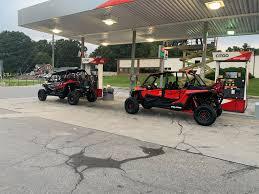
The answer isn’t simple. Sometimes you can. Sometimes you can’t. And sometimes it depends on your state, your county, and how your machine is built.
UTV street legality is one of the most confusing topics in powersports. Laws vary widely, requirements change often, and what’s legal in one town might not be legal in the next. This guide breaks down everything you need to know—equipment, laws, paperwork, and how to do it right.
How to Make Your UTV Street Legal (And Why Your Neighbors Might Still Stare)
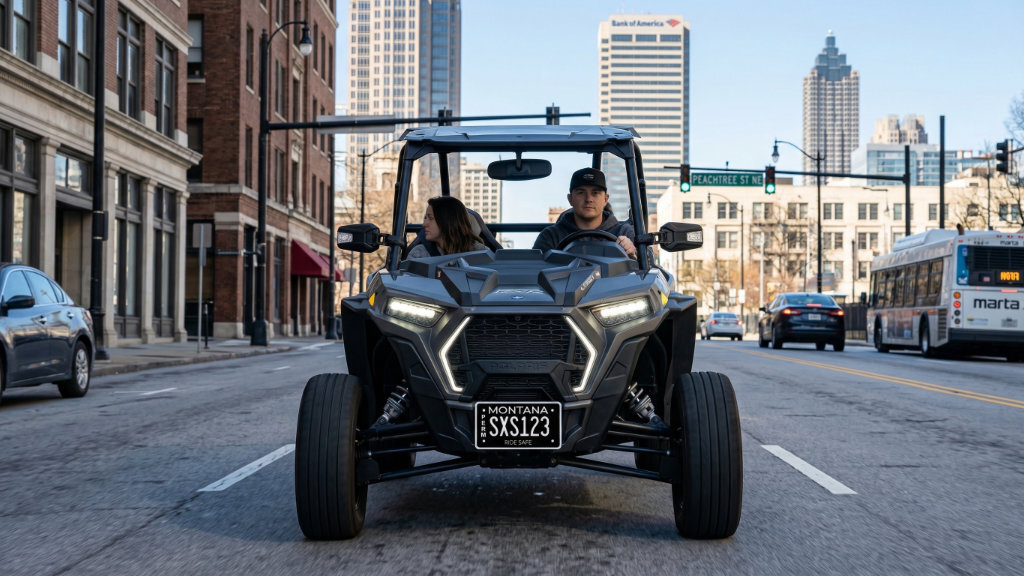
Let’s be honest: there is no better feeling than pulling your UTV out of the garage, driving it down your driveway, and just… keeping going. No heavy trailers, no winch-ratchet-strap wrestling matches, and no wondering if you hitched the safety chains correctly.
But before you start treating your local stoplight like the starting line at Baja, you need to navigate the maze of "Street Legality." Being street legal isn't just about sticking a leftover rearview mirror on the roll cage and hoping for the best.
At SideBySideSports.com, we help riders turn trail rigs into pavement-dwellers every day. Here is the ultimate guide to making your UTV street legal without getting a personal tour of the local courthouse.
What Does "Street Legal" Actually Mean?
In the eyes of the law, "Street Legal" means your UTV has graduated from "Off-Road Vehicle" to "Functional Car." It’s like teaching a teenager to use a fork—it’s possible, but there are a lot of rules involved.
In most states, a legal rig requires:
-
Safety Gear: Proper equipment that mirrors a road vehicle.
-
Paperwork: A valid registration and a license plate (that isn't covered in mud).
-
The "Adult" Stuff: Insurance for road use and a driver with a valid license.
-
The Inspection: Some states want a professional to verify you didn't just zip-tie a flashlight to your bumper and call it a headlight.
The "Street Legal" Checklist: What You Need
Most UTVs arrive from the factory naked as a jaybird when it comes to road safety. To get that license plate, you’ll usually need to install the following:
The Bare Essentials:
-
Turn Signals: Front and rear. Hand signals are for bicycles and people from the 1920s.
-
Brake Lights & Headlights: You need to see, and more importantly, people need to see you stopping.
-
The Horn: Needs to be audible. A squeaky toy won't cut it when a semi-truck is merging.
-
Mirrors: You need both a rearview and side mirrors. Neck-craning is not a legal substitute.
-
License Plate Bracket: Needs to be illuminated so the police can read it at night.
The "Depends on Your State" Gear:
-
Windshield: Some states require glass; some allow polycarbonate.
-
DOT-Approved Tires: Most stock UTV tires are too soft for pavement and lack the "DOT" stamp required for road use.
-
Speedometer: So you can actually prove you weren't doing 50 in a 35.
The 4-Step Process to Freedom
Step 1: The Detective Work Before you spend a dime, check your local county and state laws. Some states (like Arizona) love UTVs. Others (like California) treat them like alien spacecraft.
Step 2: The Install This is where the fun begins. You can piece a kit together, but most of our customers prefer an All-In-One Street Legal Kit. It keeps the wiring clean and ensures you don't forget the tiny things, like the license plate light.
Step 3: The Inspection Take your rig to a certified station. They’ll check your blinkers, your horn, and your tires. Pro-tip: Clean the mud off first. It makes the inspector a lot happier.
Step 4: The DMV (The Final Boss) Take your inspection papers, proof of insurance, and a healthy dose of patience to the DMV to get your plate.
The State-by-State "Vibe" Check
Laws change faster than a CVT belt on a sand dune, but here is the general landscape:
-
The UTV Paradises: Arizona, Utah, Michigan, Wyoming, and North Carolina. These states generally say, "Gear it up, plate it, and have fun."
-
The "Maybe" States: Iowa, Kansas, and Colorado. These often depend on exactly which town or trail system you are in.
-
The Party Poopers: California, Texas, New York, and New Jersey. These states make it notoriously difficult (or impossible) to get a plate for a standard UTV.
Common Mistakes That’ll Fail Your Inspection
If you want to avoid a "try again" stamp, watch out for these:
-
Bird's Nest Wiring: Loose wires hanging near the pedals or hot exhaust.
-
Missing "DOT" Stamps: If your tires or windshield don't have the official DOT mark, many inspectors will fail you on the spot.
-
Low Visibility: Placing your turn signals where the spare tire or a storage rack blocks them.
FAQ: Street Legal UTVs
Can I drive on the highway? Almost never. Even with a plate, UTVs are usually restricted to roads with speed limits under 45 mph. Your RZR might be fast, but it’s not "Interstate vs. Semi-Truck" fast.
Is it worth it? If you use your UTV for chores, hunting, or reaching trailheads without a trailer, yes. It adds a whole new level of utility to your machine.
What’s the easiest way to start? Get a high-quality kit. Don't hack into your factory harness if you don't have to. We carry plug-and-play kits for almost every major model (Polaris, Can-Am, Honda, etc.).
Final Thoughts
Making your UTV street legal is the ultimate upgrade. It turns your "toy" into a tool that can run to the hardware store, the gas station, or the neighbor’s house. Just remember: even if you’re legal, drive like you’re invisible—because most car drivers aren't looking for a side-by-side at the 4-way stop.
Ready to hit the pavement? [Shop our Full Selection of Street Legal Kits, Mirrors, and DOT Tires at SideBySideSports.com]